




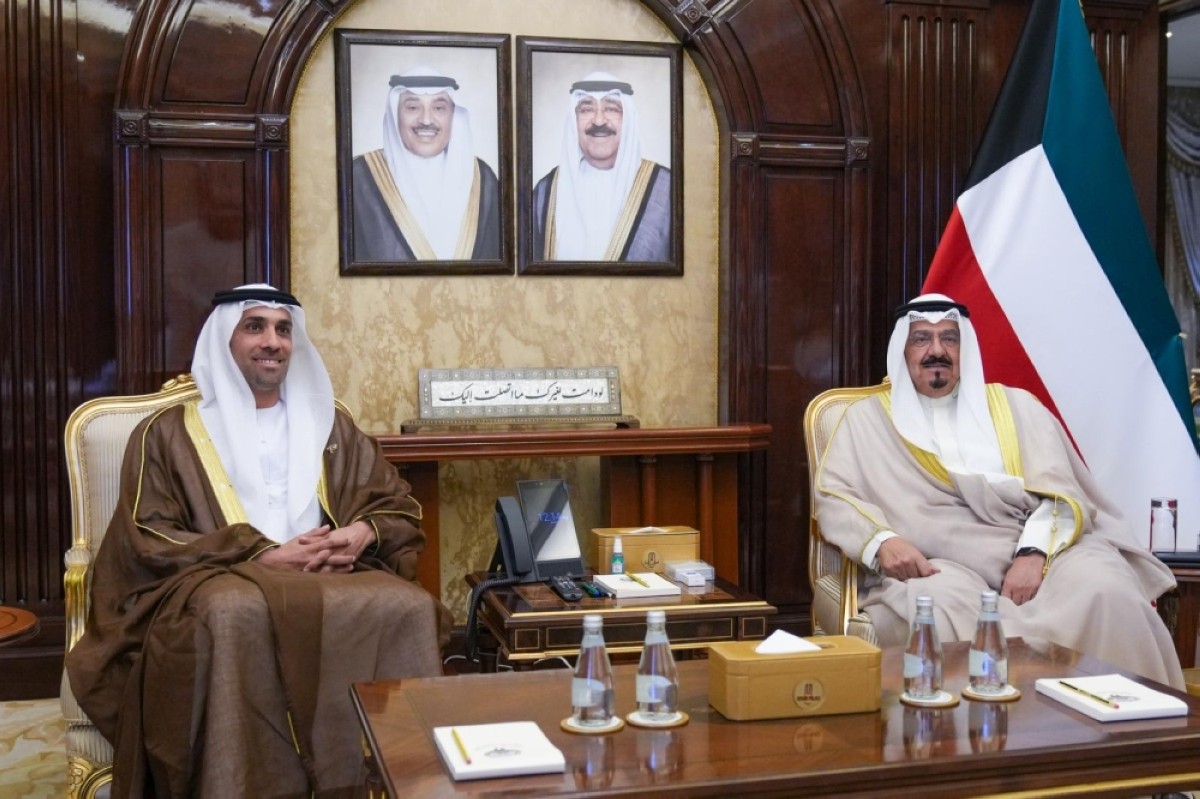

Kuwait and the United Arab Emirates are strengthening their bonds, particularly in the exciting realm of space exploration and technological advancement. His Highness the Prime Minister of Kuwait, Sheikh Ahmad Al-Abdullah Al-Ahmad Al-Sabah, recently hosted Salem Humaid Al-Marri, Director General of the Mohammed bin Rashid Space Centre (MBRSC) in the UAE, at the Bayan Palace, signaling a commitment to enhanced space cooperation between the two nations. This meeting underscores a growing regional focus on science, technology, engineering, and mathematics (STEM) and the benefits of shared knowledge.
Boosting Kuwait-UAE Collaboration in Space Technology
The primary focus of the discussion was to identify and unlock opportunities for deeper space cooperation between Kuwait and the UAE. Al-Marri’s visit, accompanied by a delegation representing key figures in both countries, recognizes the UAE’s impressive strides in space – notably the Hope Mars Mission and the Emirates Lunar Mission – and Kuwait’s desire to participate in, and benefit from, this burgeoning field. The meeting wasn’t just about grand visions; it centered on practical steps to build a stronger, more interconnected future.
Exploring Joint Ventures and Expertise Exchange
Specific areas explored included a strengthened exchange of technical and scientific expertise between the MBRSC and the Kuwait Foundation for the Advancement of Sciences (KFAS). KFAS plays a crucial role in supporting scientific research and development within Kuwait, making it a natural partner for the MBRSC. This extended to discussing potential joint ventures and initiatives designed to support innovation and development across both countries.
Such collaborations are vital for fostering a robust ecosystem for technological growth. They allow for resource sharing, access to cutting-edge research, and the development of a skilled workforce, all essential for navigating the complexities of the modern, technology-driven world.
Key Attendees and their Roles
The meeting wasn’t a two-way conversation held in isolation. A significant delegation was present, demonstrating the breadth of governmental support for this burgeoning partnership.
This included Abdulaziz Dakheel Al-Dakheel, Head of the Prime Minister’s Office, underscoring the high-level importance placed on the discussion. Sheikh Dr Meshaal Jaber Al-Ahmad Al-Sabah, Director General of the Kuwait Direct Investment Promotion Authority (KDIPA), was also in attendance, suggesting a focus on attracting investment in the technology sector. Dr. Amina Rajab Farhan, Director General of KFAS, facilitated discussions regarding specific scientific initiatives. Finally, Dr. Matar Hamed Al-Neyadi, the UAE Ambassador to Kuwait, was present to further solidify diplomatic ties and pave the way for future agreements.
This comprehensive attendance list illustrates a unified commitment to developing a stronger bilateral relationship built on mutual benefits.
The Growing Importance of STEM in the Gulf Region
This initiative highlights a broader trend within the Gulf region – a concerted effort to diversify economies away from reliance on oil and towards knowledge-based industries. Investing in STEM education and research is a critical component of this strategy. The UAE has clearly positioned itself as a leader in this transformation, and Kuwait is actively seeking opportunities to learn from and collaborate with its neighbor.
It’s worth noting that investment in space isn’t simply about reaching for the stars. The technologies developed for space exploration have numerous applications here on Earth, in fields such as telecommunications, materials science, and environmental monitoring. These spillover benefits can be substantial, contributing to economic growth and improvements in quality of life.
The Role of KFAS in Fostering Scientific Advancement
The Kuwait Foundation for the Advancement of Sciences (KFAS) is central to Kuwait’s pursuit of a more technologically advanced future. KFAS actively supports research projects, provides grants to scientists, and promotes scientific literacy among the public. The organization’s partnership with the MBRSC is a strategic move to leverage the UAE’s expertise and accelerate Kuwait’s own progress in areas like satellite technology and data analysis.
Expanding scientific research capacity is a long-term investment. By partnering with established centers of excellence like the MBRSC, KFAS can circumvent some of the challenges associated with building these capabilities from scratch.
Looking Ahead: A Future Built on Innovation
The meeting between His Highness the Prime Minister and Salem Humaid Al-Marri represents a significant step forward in strengthening Kuwait-UAE relations. The commitment to increased space cooperation and resource exchange promises to yield tangible benefits for both countries. Moving forward, continued dialogue and the implementation of concrete joint projects will be key to realizing the full potential of this partnership.
This collaboration isn’t just about space; it’s about building a future for both nations grounded in innovation, knowledge, and sustainable development. The success of these initiatives will undoubtedly serve as an inspiration for other countries in the region looking to embrace the opportunities presented by the new space race and the increasing importance of technological leadership. For more information on KFAS initiatives, visit their official website. This continued collaboration will be crucial for evolving both nations’ technological landscapes.