






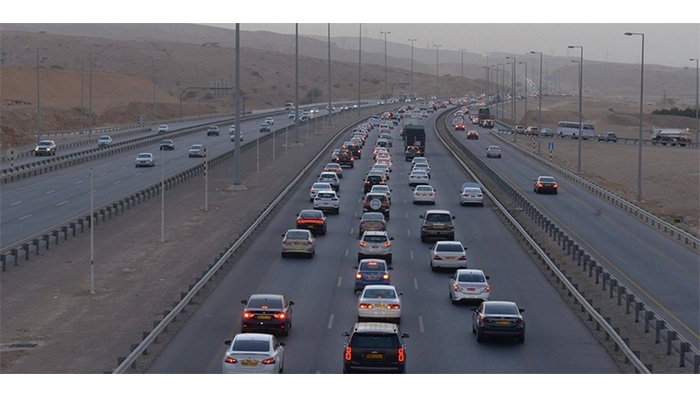

The number of registered vehicles in Oman has seen a significant increase, reflecting the country’s growing population and economy. According to the latest data from the National Centre for Statistics and Information (NCSI), the total number of registered vehicles in the Sultanate of Oman reached 1,825,032 at the end of September 2025, representing a 5.6 percent increase compared to the same period in the previous year.
## Vehicle Registration Trends in Oman
The data reveals that private vehicles dominated the registration landscape, accounting for 79.2 percent of the total registered vehicles, which translates to 1,446,163 vehicles. Commercial vehicles followed, making up 14.8 percent of the total, with 269,473 registrations. Rental vehicles constituted 2.4 percent, totaling 42,937 vehicles. The remaining percentage was distributed among taxi vehicles, government vehicles, and other categories. This distribution highlights the prevalence of personal transportation in Oman, with the majority of registered vehicles being used for private purposes.
## Most Popular Vehicle Colours in Oman
An interesting aspect of the data is the colour distribution of registered vehicles. White vehicles were the most popular, accounting for 42 percent of the total, with 772,228 registrations. Silver vehicles followed closely, making up 13 percent of the total, with 234,867 registrations. Grey vehicles ranked third, with 186,617 registrations. The preference for these colours may be attributed to their popularity globally and their perceived durability and resale value.
### Engine Capacity and Vehicle Weight
The data also provides insights into the engine capacity and weight of registered vehicles. Vehicles with an engine capacity between 1500 and 3000 cm³ were the most common, accounting for 54.5 percent of the total registrations, with 993,985 vehicles. The category with an engine capacity between 3001 and 4500 cm³ followed, making up 22.2 percent of the total, with 404,421 registrations. In terms of vehicle weight, those weighing less than 3 tonnes dominated, constituting 90.7 percent of the total registered vehicles, with 1,655,501 vehicles. This indicates a preference for lighter vehicles, possibly due to their fuel efficiency and lower maintenance costs.
## Implications of Vehicle Registration Trends
The increase in registered vehicles in Oman has several implications for the country’s infrastructure, economy, and environment. The growing number of vehicles on the road may lead to increased traffic congestion, particularly in urban areas like Muscat. This, in turn, may necessitate investments in infrastructure development, such as road expansions and public transportation systems. Additionally, the rise in vehicle registrations may have environmental implications, including increased air pollution and greenhouse gas emissions.
However, the growth in vehicle registrations also presents opportunities for the automotive industry and related sectors. The demand for vehicles, particularly private ones, is likely to drive sales and revenue for dealerships and manufacturers. Furthermore, the increasing number of vehicles on the road may lead to a rise in demand for automotive services, such as maintenance and repair.
In conclusion, the data from the NCSI provides valuable insights into the trends and characteristics of registered vehicles in Oman. The dominance of private vehicles, the popularity of certain colours, and the prevalence of vehicles with specific engine capacities and weights are all noteworthy trends. As the number of registered vehicles continues to grow, it is essential for policymakers and industry stakeholders to consider the implications of these trends and plan accordingly to ensure sustainable and efficient transportation systems. By understanding these trends, Oman can better navigate the challenges and opportunities presented by its growing vehicle population.