






The Top Wellness Trends in the Gulf Region for 2026 reflect a shift from purely luxury spa escapes to integrated, evidence-led wellbeing travel. Expect more preventive medicine clinics, longevity programmes, fitness and outdoor experiences adapted to desert and coastal settings, and purpose-built wellness communities in cities such as Dubai, Abu Dhabi, Doha, Riyadh and Muscat. Government investment, new healthcare accreditation, and hotel groups expanding medical partnerships are driving growth across the UAE, Saudi Arabia, Qatar, Oman, Bahrain and Kuwait.
For travelers planning a wellness trip to the Gulf in 2026, this means a wider choice: short city-based diagnostic and spa packages, week-long regenerative retreats on the coast or the desert, and longer-stay wellness residencies that combine nutrition, physiotherapy and lifestyle coaching. Practical planning—seasonal timing, verified medical credentials, and travel insurance—will make the difference between a restorative trip and an expensive disappointment.
Quick Answer
Top Wellness Trends in the Gulf Region for 2026 center on integrative medicine and longevity services, wellness real estate and residential offerings, tech-enhanced spa treatments, outdoor fitness adapted to local climate, and female-focused healthcare. Major hubs are Dubai, Abu Dhabi, Doha and Riyadh, with coastal Oman and the Red Sea developments offering destination retreats. Check up-to-date visa, health and accreditation details before booking.
Key Takeaways
- Integrative and preventive medicine is expanding alongside luxury spa offerings.
- Wellness real estate and long-stay programmes are growing in Gulf cities and resort developments.
- Outdoor and climate-adapted fitness (desert treks, seaside swimming) are increasingly popular.
- Technology—AI diagnostics, cryotherapy, sleep labs—will be common in premium wellness packages.
- Plan trips outside peak summer months, verify clinic accreditations, and buy travel insurance for medical treatments.
Why the Gulf Is Shaping Wellness Travel in 2026
Gulf governments are prioritizing healthcare diversification, tourism growth and large-scale hospitality projects, which has expanded wellness services rapidly. International hospital chains, accredited wellness centers, and luxury hotel groups are creating integrated offers that combine diagnostics, nutrition, physiotherapy and spa therapies.
Infrastructure improvements—major international airports like Dubai (DXB), Abu Dhabi (AUH) and Doha (DOH), expanded medical facilities and direct flight connections—make the region more accessible for short medical breaks and longer wellness stays. Travelers benefit from high standards of hospitality, but should always check medical accreditation and local rules before booking any clinical treatment.
Top Wellness Trends in the Gulf Region for 2026
Integrative and Preventive Medicine
Preventive health packages and longevity clinics are becoming mainstream. These programmes combine advanced diagnostics, cardiovascular risk assessment, metabolic profiling and personalised lifestyle plans.
Practical tip: ask for clinic accreditation (international hospital partner, JCI or equivalent) and detailed pre- and post-treatment plans. Don’t accept verbal promises; request written outcomes and follow-up options.
Medical and Wellness Tourism Hubs
Dubai, Abu Dhabi and Doha are positioning themselves as medical-wellness hubs with streamlined patient services for international visitors. Saudi Arabia’s new hospitality projects and coastal Red Sea resorts are developing destination spas and rehab facilities.
Mistake to avoid: assuming all facilities offer the same standards. Compare credentials, read patient reviews, and, when possible, consult your home physician before committing to invasive procedures overseas.
Wellness Real Estate and Liveable Communities
Wellness communities—residential developments that integrate green space, walkability, fitness centers and on-site clinics—are taking off. These projects appeal to long-stay visitors and expatriates seeking lifestyle-driven housing.
If you’re considering a longer stay, inspect the neighbourhood: availability of healthy food options, outdoor exercise spaces and proximity to medical services are essential.
Thermal, Seawater and Desert Therapies
Coastal resorts and desert retreats are offering treatments that use seawater therapy, mineral baths and climate-adapted experiences like salt caves and sand-based therapies. These are marketed for relaxation, respiratory benefits and skin health.
Traveler advice: disclose respiratory or skin conditions to therapists before attempting inhalation therapies or thermal pools, and verify pool hygiene and treatment protocols.
Women’s Health and Specialist Clinics
There’s stronger focus on women’s wellness—fertility, menopause management, pelvic health and hormonal clinics led by specialist teams. Many clinics combine conventional medicine with nutrition and lifestyle coaching.
Helpful approach: schedule consultations ahead of travel and request treatment plans that include remote follow-up where possible.
Fitness, Outdoor and Climate-Adaptive Wellbeing
Outdoor fitness has shifted toward climate-smart activities: early-morning desert hikes, coastal swimming, tailored running programs using shaded routes, and beach yoga. Hotels increasingly offer guided wellness activities suited to Gulf climates.
Safety note: avoid exercising during the central heat of the day, stay hydrated, and check whether local organisers provide first aid and shaded breaks.
Digital Detox, Sleep Wellness and Mindful Luxury
Mindful, low-tech retreats and dedicated sleep programmes are growing. Expect curated days with scheduled digital breaks, guided meditation, sleep coaching and room design for better rest.
Practical tip: ask hotels about blackout curtains, noise policies and sleep-aid services if sleep restoration is your priority.
Technology-Enhanced Spa Experiences
Tech-driven treatments—AI-led wellness assessments, cryotherapy, hyperbaric oxygen therapy and personalised IV nutrition—are increasingly advertised. Many combine data-driven analysis with traditional spa modalities.
Mistake to avoid: pursue only evidence-backed procedures. Ask for published evidence or clinical oversight and confirmation of safety protocols before agreeing to high-tech treatments.
Country-by-Country Highlights
United Arab Emirates (Dubai, Abu Dhabi)
UAE leads with integrated wellness clusters linked to luxury hospitality and international hospitals. City spas, coastal resorts and desert sanctuaries offer varied options for short breaks or week-long programmes.
Qatar (Doha)
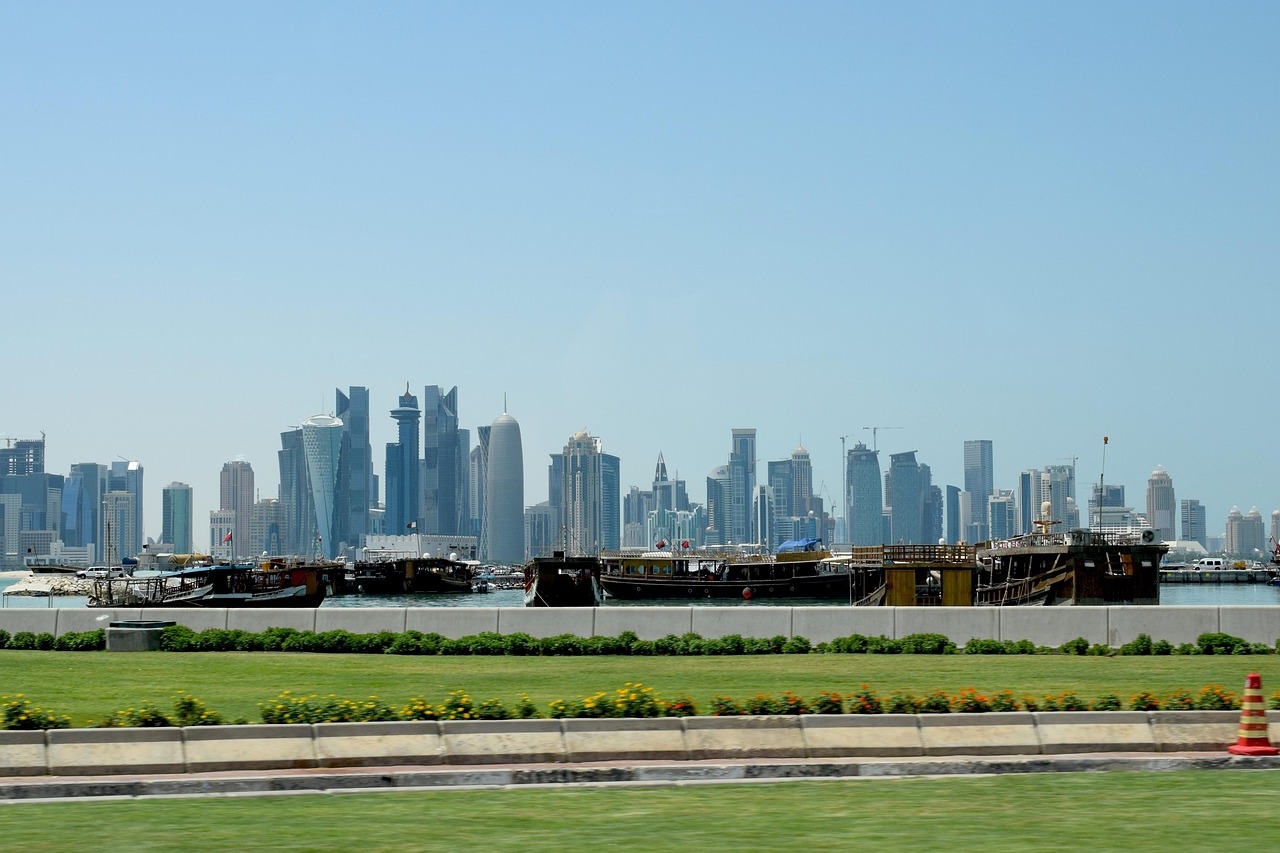
Doha is expanding medical tourism options and wellness events. Many clinics offer English-speaking staff and international accreditation, suited to short diagnostic stays and recovery packages.
Saudi Arabia, Oman, Bahrain and Kuwait
Saudi Arabia is opening new coastal and island destinations with wellness at the core of tourism strategy. Oman’s coast and mountains remain attractive for outdoor-oriented retreats. Bahrain and Kuwait focus on specialist clinics and boutique wellness offerings.
Best Tips for Planning Your Trip
- Time your trip between October and April to avoid extreme summer heat; coastal winter months are ideal for outdoor activities.
- Verify clinic and practitioner accreditation and ask for credentials and patient outcomes. Look for international partners where possible.
- Book a consultation before any invasive procedure and confirm post-treatment care and remote follow-up.
- Purchase travel insurance that covers medical procedures abroad and check whether repatriation is included for major treatments.
- If you need medications, bring a sufficient supply and carry prescriptions; verify controlled-substance rules with your airline and embassy.
- Respect local customs: modest dress in public areas and awareness of prayer times can affect schedules at smaller clinics or community centres.
Who Is This Best For?
These wellness trends suit travelers seeking evidence-based preventive care, luxury restorative experiences, or active outdoor programmes adapted to the Gulf climate. They work well for expatriates, short medical tourists who want fast diagnostics plus recovery in a resort setting, and longer-stay guests interested in wellness residences.
Not ideal for budget backpackers: many comprehensive wellness packages sit at the premium end. For affordable options, look for day-spa offers, public beach fitness groups, or short diagnostic packages in accredited hospitals.
Conclusion
Top Wellness Trends in the Gulf Region for 2026 show a clear move toward integrated, medically informed wellbeing offerings alongside climate-aware outdoor activities and tech-enabled spa services. Travelers can now combine diagnostics, personalised plans and luxurious recovery in hubs like Dubai, Abu Dhabi and Doha or choose quieter coastal and desert retreats. Careful planning—checking accreditation, timing your visit, and ensuring insurance and follow-up care—will help you get the most from a Gulf wellness trip.
Frequently Asked Questions
What months are best for wellness travel in the Gulf?
Best months are generally October through April when temperatures are milder. Summers can be extremely hot and limit outdoor activities, so plan coastal or desert excursions in cooler seasons.
Are wellness and medical treatments expensive in the Gulf?
Costs vary widely: luxury resorts and high-tech clinics are premium-priced, while some accredited hospitals offer competitive diagnostic packages. Compare clinic credentials, what’s included, and request itemised quotes before booking.
Do I need special travel insurance for medical tourism in the Gulf?
Yes—choose insurance that explicitly covers medical procedures abroad and provides repatriation if needed. Read policy exclusions carefully, especially for elective or cosmetic procedures.
Are halal-friendly wellness options available?
Many clinics and hotels in Gulf countries offer halal-compliant menus, female-only services and private treatment spaces. Ask providers about specific requirements such as gender-segregated facilities or halal food before booking.
Can I combine a wellness trip with sight-seeing and cultural visits?
Absolutely—wellness stays can be paired with cultural tours in cities like Dubai, Abu Dhabi and Muscat or nature excursions in Oman’s fjords and Saudi Arabia’s Red Sea coast. Schedule active excursions during cooler parts of the day and allow time for recovery.
Is it safe for solo female travelers to pursue wellness trips in the Gulf?
Many solo female travelers visit the Gulf safely and find female-focused clinics and women-only spa hours. Respect local dress codes and cultural norms, and choose well-reviewed providers and accommodations with good security.
How can I verify the quality of a wellness clinic or spa?
Check for international accreditation (such as JCI for hospitals), professional memberships, published practitioner qualifications and patient reviews. Request before-and-after care plans and ask for references where possible.