





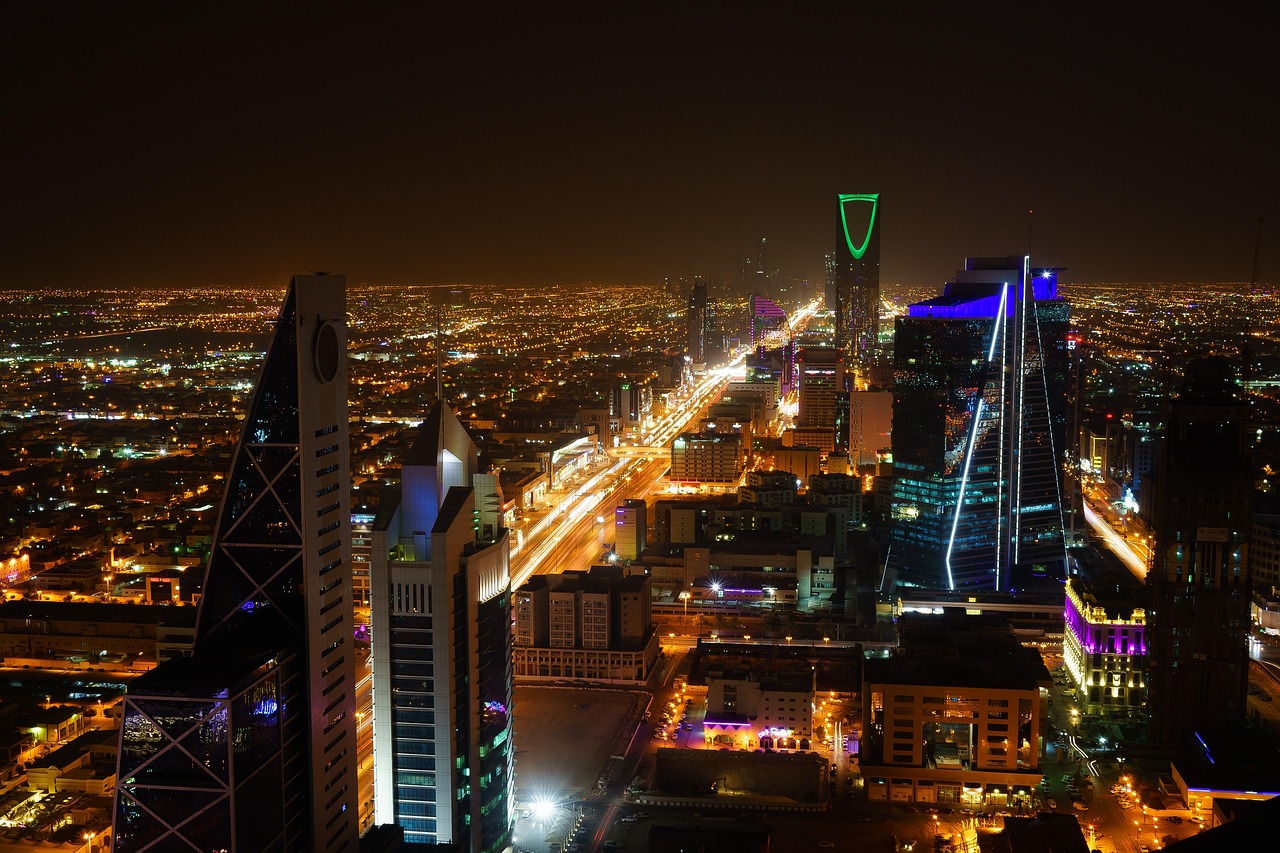

Saudi Arabia is one of the fastest-changing markets in the Middle East, and for 2026 the Best Business Ideas in Saudi Arabia With Low Investment are practical, scalable, and tuned to local demand. Low-capital ventures that match urban lifestyles, growing tourism, and digital adoption work especially well in Riyadh, Jeddah, Dammam and emerging zones like NEOM. This guide lists actionable ideas, real-world tips for testing them on short visits, and the local factors you need to check before you commit.
Below you’ll find a focused list of low-investment business ideas, plus a clear path to evaluate opportunities, avoid common mistakes, and plan a research trip to Saudi Arabia. The emphasis is on ideas you can start with small teams or home-based setups, grow with digital marketing, and adapt to Saudization and local regulations.
Quick Answer
The Best Business Ideas in Saudi Arabia With Low Investment 2026 include e-commerce niches, social media marketing, food kiosks and cloud kitchens, tutoring and online education, local guided experiences for tourists, mobile services like car detailing, and home-based catering. These concepts require limited upfront capital, scale well with a simple digital presence, and perform best in Riyadh, Jeddah, and Eastern Province cities; check licensing and local labor rules before launching.
Key Takeaways
- Choose ideas that match city demand: Riyadh for corporate services, Jeddah for retail and tourism, Eastern Province for industry-support services.
- Low initial capital can still require permits—consult MISA, Monsha’at and municipal authorities early.
- Test fast with an MVP: pop-up stalls, short-term rental kitchens, or pilot online stores.
- Use local partnerships and Saudi-focused marketing to accelerate growth.
- Plan a short research trip to meet regulators, suppliers, and customers in person.
Why Saudi Arabia Is an Opportunity for Low-Investment Businesses in 2026
Population growth, rising consumer spending, and a push to diversify the economy make Saudi Arabia attractive for small, nimble ventures. Urban centres offer concentrated demand for food, digital services, tutoring, and lifestyle brands. Tourism growth—domestic and inbound—also creates space for local experiences and hospitality-related micro-businesses.
Government programs for SMEs and investment reforms have simplified some procedures, but rules on foreign ownership, workforce nationalization (Saudization), and sector-specific permits still matter. Always verify details with the Ministry of Investment (MISA), Monsha’at (SME Authority), and local municipal offices.
Top Best Business Ideas in Saudi Arabia With Low Investment 2026
E-commerce niche stores (dropshipping, local fulfillment)
Sell specialized products—halal beauty, niche fashion, eco-friendly home goods—through a focused online shop. Start with social media and a simple website, test demand with small ads, and scale by adding local warehousing or fulfilment once orders steady.
Social media marketing and content creation agency
Many Saudi SMEs need Arabic-language social media, short-form video, and influencer coordination. Offer content packages, ad management, and analytics. Low overhead and high margins make this ideal for a small team with marketing skills.
Food kiosks, coffee carts, and cloud kitchens
Food carts and mini-kiosks in malls or business districts require less capital than a full restaurant. Cloud kitchens serving delivery-only menus are increasingly popular; partner with existing delivery platforms to reduce marketing cost. Ensure you follow municipal food safety regulations and licensing.
Home-based catering and meal-prep services
Busy professionals and families appreciate weekly meal plans, healthy boxes, and celebration catering. Begin with pre-orders and expand through referrals and corporate contracts. Local food permits and hygiene standards apply—check your municipality’s requirements.
Tour guide services and curated local experiences
Pilgrimage and leisure tourism growth creates a market for guided cultural walks, culinary tours, and desert excursions. Small-group, high-quality experiences are easier to start than larger travel agencies. Focus on certifications, multilingual guides, and partnerships with hotels and booking platforms.
Mobile car wash, detailing and valet services
Convenience services are in demand near business districts and residential compounds. A mobile setup minimizes rent; advertise through local community apps and property managers. Compliance with environmental rules for wastewater disposal is essential.
Tutoring and language classes (online and in-person)
English, coding, and exam preparation classes are steady performers. Combine small in-person workshops with online lessons to reach wider audiences. Local cultural norms and scheduling around prayer times should be considered when planning classes.
Import-export agent for niche products
Act as a broker for specialty goods—artisan foods, fashion, or industrial components—helping small foreign suppliers enter Saudi retail or B2B channels. Expertise in customs, VAT, and distribution networks increases your value to clients.
Micro co-working or meeting-space coordination
Short-term office and meeting spaces in less expensive neighborhoods serve freelancers and small teams. A well-managed, technology-friendly micro-space with flexible booking can be profitable with minimal capital outlay.
| Idea | Best Cities | Investment Level |
|---|---|---|
| E-commerce niche | Riyadh, Jeddah, Dammam | Very Low |
| Food kiosk / cloud kitchen | Riyadh, Jeddah | Low–Moderate |
| Social media agency | Riyadh, Jeddah | Low |
| Tutoring / online classes | All major cities | Very Low |
How to Choose the Right Low-Investment Business
- Match skills to market: pick an idea where you already have expertise or contacts in Riyadh or Jeddah.
- Validate demand quickly: run a week-long pop-up, pre-sell subscription boxes, or launch a landing page with paid ads.
- Check compliance: contact MISA, local municipality (baladiya), and Monsha’at to understand licenses, Saudization expectations, and sector rules.
- Plan for payments and tax: understand ZATCA requirements for VAT and electronic invoicing if you reach thresholds.
- Keep overhead low: start from home or shared spaces, use freelancers, and outsource non-core tasks.
Mistakes to Avoid
- Underestimating local documentation—early permit checks prevent unexpected delays.
- Skipping market-specific marketing—Arabic-language content and local platforms perform better.
- Ignoring cultural norms—business hours, prayer times and local customer expectations affect scheduling.
- Scaling too fast without supply-chain resilience—verify suppliers and delivery partners first.
Best Tips for Planning Your Trip to Research a Business in Saudi Arabia
Plan short, focused trips to key cities: Riyadh for corporate and tech markets, Jeddah for retail and tourism, Dammam for industry-related services. Fly into major international airports—King Khalid International Airport (Riyadh), King Abdulaziz International Airport (Jeddah), and King Fahd International Airport (Dammam)—to save time between meetings.
Book meetings in advance with local chambers of commerce, Monsha’at, and municipal business desks. Visit malls, neighbourhoods and coworking spaces to observe foot traffic and competitor setups. Carry printed documents, a simple pitch deck, and business cards; local introductions and face-to-face meetings still matter.
Always check visa rules, travel insurance, and entry requirements before you go. Confirm current business-visitor procedures and whether you need formal invitations for certain meetings. When in Saudi cities, respect dress codes and prayer times, and schedule meetings in mid-week to avoid weekend closures.
Is it worth it? Who is this best for?
Yes, starting a low-investment business in Saudi Arabia can be worth it for entrepreneurs who want fast feedback, low overhead, and exposure to a large urban market. It’s especially attractive to digital-native founders, food entrepreneurs testing concepts, freelance marketers, and educators who can scale services online.
This path is less suitable for those who need heavy manufacturing, large upfront inventory, or who cannot navigate local licensing and cultural norms. If you prefer lower risk, begin with a pilot from abroad (online sales, remote marketing), then visit Saudi Arabia to scale operations and meet partners in person.
Conclusion
The Best Business Ideas in Saudi Arabia With Low Investment 2026 favor digital-first models, food and hospitality micro-concepts, convenience services, and education or tourism experiences tailored to local tastes. Start small, validate quickly, and use short research trips to build local networks and secure the right permits. With measured steps and local guidance, a low-capital venture can become a sustainable business in Saudi Arabia’s evolving market.
Frequently Asked Questions
What are the easiest businesses to start in Saudi Arabia with low capital?
Digital services (social media marketing, e-commerce), home-based catering, tutoring, and mobile convenience services are among the easiest to start. They require minimal physical infrastructure and can be tested quickly with online marketing and pilot customers.
Do foreigners need a local partner to start a business in Saudi Arabia?
Not always—recent reforms allow different ownership structures, but rules vary by sector and investment type. Check the Ministry of Investment (MISA) and seek local legal advice to confirm requirements for your specific business.
Can I operate an online business targeting Saudi customers from abroad?
Yes, you can start an online store or digital service from abroad, but local regulations—VAT, e-invoicing thresholds, and customs for shipped goods—may apply once you reach a certain scale. Consult ZATCA and a tax advisor before expanding operations locally.
Which cities are best for low-investment startups in Saudi Arabia?
Riyadh and Jeddah lead for consumer services and digital startups; Dammam and the Eastern Province suit industry-support services. Emerging zones and tourist hubs can be attractive for niche hospitality and experience-based businesses.
How do I find out what permits I need for a food business?
Contact the local municipality (baladiya) and the public health authority responsible for food safety in the city you plan to operate. They will outline required permits, inspections, and hygiene standards; always confirm details before launching.
Are there government programs that support small businesses?
Yes, Saudi authorities offer SME support programs, advisory services, and sometimes financing channels through Monsha’at and other development agencies. Visit relevant government portals and local business centers for the latest programs and eligibility rules.