



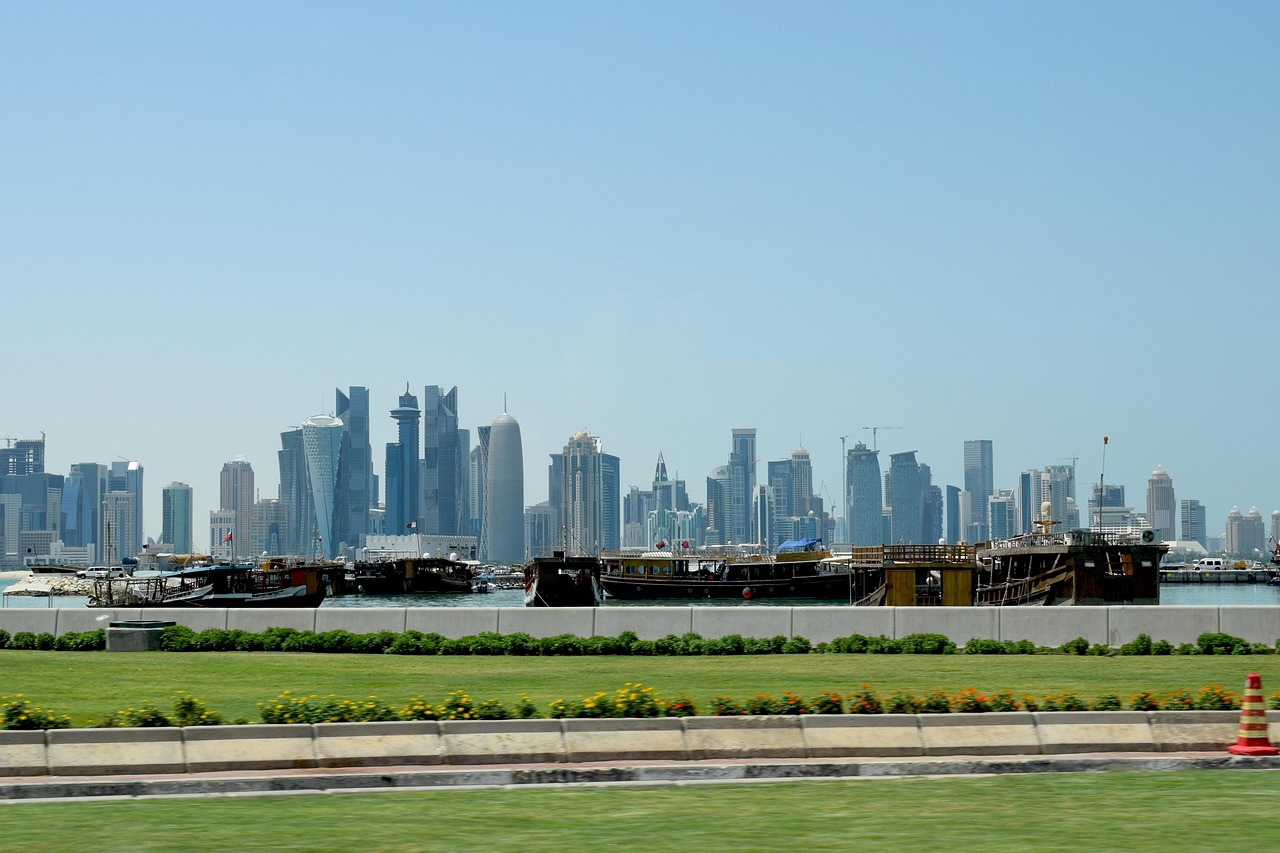

The Top 10 Fastest Growing Economies in the Gulf Region have become magnets for business travelers, expatriates and curious tourists alike. Rapid infrastructure projects, national economic plans, and a push to diversify away from oil have created new hubs for finance, tourism, logistics and tech across the Arabian Gulf. This article highlights the countries leading that transformation, explains what’s driving their growth, and gives practical travel advice for anyone planning a trip or short business visit.
If you’re trying to pick which Gulf city to visit for an investment trip, an extended stay, or a quick leisure stop, the Top 10 Fastest Growing Economies in the Gulf Region are a good place to start. Below you’ll find clear, travel-focused information on what makes each economy tick, the main airports and cities to use as bases, and sensible planning tips for visitors.
Quick Answer
The Top 10 Fastest Growing Economies in the Gulf Region are led by several GCC states—Saudi Arabia, the United Arab Emirates, Qatar, Oman, Bahrain, Kuwait—alongside nearby Gulf-bordering economies such as Iraq and Iran where recovery and energy activity spur growth. Growth is driven by energy exports, large public investment programs (infrastructure, tourism, and renewable energy), sovereign wealth fund projects, and business-friendly free zones. Travelers should focus on major hubs like Dubai (DXB), Doha (DOH), Riyadh (RUH), Abu Dhabi (AUH), and Muscat (MCT) when planning routes.
Key Takeaways
- The term “Top 10 Fastest Growing Economies in the Gulf Region” highlights countries seeing rapid economic expansion and diversification.
- Main growth drivers: energy exports, tourism, finance, logistics, construction and technology investment.
- Major travel hubs include Dubai, Doha, Riyadh, Abu Dhabi, Muscat and Manama—each has international airports and extensive hotel choices.
- Check visa, customs and travel insurance requirements ahead of time, since rules change frequently.
- Best time to visit varies by country; winter months (November–March) are generally more comfortable across the Gulf for outdoor activities.
How “fastest growing” is defined for Gulf economies
For this article, “fastest growing” refers to economies showing notable expansion in business activity, public investment, private sector development and diversification away from hydrocarbons. That growth may come from construction booms, tourism campaigns, major international events, new trade corridors, or growth in non-oil sectors like finance, logistics and tech. Exact growth rates change year to year, so consult official economic reports or international financial institutions for up-to-date figures.
Top 10 Fastest Growing Economies in the Gulf Region
| Country | Main growth drivers | Top travel hub / airport |
|---|---|---|
| Saudi Arabia | Vision 2030 projects, tourism development, NEOM & giga-projects, energy and petrochemicals | Riyadh (RUH), Jeddah (JED), Dammam (DMM) |
| United Arab Emirates (UAE) | Tourism, aviation, finance, free zones, real estate and tech hubs | Dubai (DXB), Abu Dhabi (AUH) |
| Qatar | Natural gas exports, stadium and event-driven investment, infrastructure and hospitality | Doha (DOH) |
| Oman | Logistics, tourism, mining, ports and gas projects | Muscat (MCT) |
| Bahrain | Finance, fintech, light industry, logistics and tourism | Manama (BAH) |
| Kuwait | Oil sector, infrastructure spending and construction projects | Kuwait City (KWI) |
| Iraq | Energy sector recovery, reconstruction and local market expansion | Baghdad (BGW), Erbil (EBL) |
| Iran | Energy exports, domestic industry and regional trade (note: travel and sanctions complexity) | Tehran (IKA), Shiraz (SYZ) |
| Lebanon* | Historical banking and services, niche tourism—growth potential is mixed and volatile | Beirut (BEY) |
| Jordan* | Logistics, tourism and regional services—often included in broader Gulf trade networks | Amman (AMM) |
*Lebanon and Jordan are often linked to Gulf economic activity through remittances and trade; their inclusion reflects regional economic ties rather than pure Gulf-state status.
Country snapshots: What travelers should know
Saudi Arabia — business and new tourist gateways
Saudi Arabia is investing heavily in tourism and urban development. Travelers flying to Riyadh, Jeddah or Neom-area projects will find increasing hotel and flight options. Expect major construction zones and accelerated visa modernization—confirm entry requirements with official consular sources before booking.
United Arab Emirates — the regional hub for travel and business
Dubai and Abu Dhabi are primary entry points for the Gulf. The UAE’s free zones and international airlines make it easy to connect to other Gulf destinations. For leisure travelers, Dubai’s skyline and Abu Dhabi’s cultural sites are major draws; for business travelers, Dubai International and Abu Dhabi International are excellent hubs.
Qatar — compact, wealthy, and fast-developing
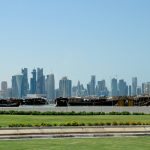
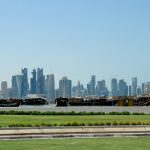
Doha’s Hamad International Airport is a convenient transit hub with direct flights to many international cities. Significant investments in hospitality and events have boosted business and leisure travel. Qatar tends to be compact, making city logistics straightforward for short trips.
Oman — quieter diversification and natural attractions
Oman focuses on ports, logistics and nature-based tourism. Muscat is a traveler-friendly capital with growing boutique hotel options. If you plan desert or coastal excursions, check seasonal weather and local transport availability.
Bahrain and Kuwait — finance, industry and gateway services
Bahrain has a strong fintech and financial services scene, while Kuwait is active in infrastructure and oil services. Both are convenient for regional business travel and short stopovers, with good hotel choices near central business districts and airports.
Iraq and Iran — energy-driven recovery with travel caveats
Iraq’s reconstruction and oil activity have created pockets of rapid economic activity; Iran’s economy is large and diversified but travel and business are affected by sanctions and diplomatic constraints. If you’re considering these destinations, consult official government travel advisories and verify entry and local requirements.
Practical travel tips for visiting growing Gulf economies
- Use major international hubs (DXB, DOH, AUH, RUH, MCT) for best flight frequency and connections.
- Book accommodation in advance for business districts or near expo/event venues; hotel supply can fill quickly around large conferences.
- Travel insurance is recommended—confirm medical and evacuation coverage, especially if visiting remote project sites or border regions.
- Currency: most Gulf countries accept card payments widely, but carry local currency for taxis and small purchases.
- Dress codes and cultural norms vary—respect local customs, especially around religious observances and formal business meetings.
Best Tips for Planning Your Trip
- Check entry requirements early. Visas and entry rules change; consult airline and official government sources before booking.
- Time your visit. For outdoor activities and city walking, November–March is generally pleasant, while summers can be extremely hot.
- Choose your base city wisely. Dubai suits global connectivity and leisure; Riyadh and Doha are strong for large investment meetings.
- Book meetings near free zones and business parks if you have multiple appointments; traffic and distances can add time in larger countries.
- Plan transportation within cities—ride-hailing apps, reputable taxis and metro systems are available in many Gulf cities.
Who is this list best for?
This guide is useful for business travelers assessing expansion or investment opportunities, expatriates scouting relocation hubs, and tourists combining leisure with short business trips. It’s also helpful for journalists and researchers wanting a practical sense of where the Gulf’s economic momentum is concentrated.
Is it worth visiting the fastest growing Gulf economies?
Yes, for many travelers it’s worth visiting: these economies offer a mix of modern infrastructure, cultural sites, and business opportunities. If your trip centers on networking, site visits or experiencing modern hospitality and new tourism openings, the Gulf region delivers strong returns on a short visit. Always balance business objectives with practical planning—security checks, visa timelines and cultural norms matter.
Conclusion
The Top 10 Fastest Growing Economies in the Gulf Region reveal a landscape where public investment, energy markets and strategic diversification create fresh opportunities for business and travel. Pick your hub based on connectivity, purpose and the sectors you care about — Dubai and Abu Dhabi for international connectivity; Riyadh for large-scale projects; Doha for compact efficiency; Muscat for natural landscapes and quieter logistics. Before booking, verify visa and entry rules, plan for local climate and transportation, and prioritize travel insurance. With sensible planning, a trip to the Gulf can combine productive business, unique cultural experiences and efficient travel connections.
Frequently Asked Questions
Which Gulf city has the best international flight connections?
Dubai (DXB) generally has the most international connections, followed by Doha (DOH) and Abu Dhabi (AUH). Major carriers and extensive route networks make these airports ideal hubs for onward travel across the Gulf and beyond.
Do I need a visa to visit Gulf countries?
Visa requirements vary by nationality and country; some Gulf states offer e-visas or visa-on-arrival for many travelers. Always check official consular websites or airline guidance before booking, as rules can change quickly.
When is the best time to visit the Gulf for comfortable weather?
November through March typically offers cooler and more comfortable weather across the Gulf for outdoor activities. Summer months are extremely hot in most locations, which affects outdoor sightseeing and construction-site access.
Are Gulf cities safe for solo travelers and business visitors?
Many Gulf cities are safe and well-policed for tourists and business travelers; standard precautions apply, like keeping valuables secure and respecting local customs. For travel to border regions or conflict-affected areas, consult government travel advisories before planning.
What sectors are driving growth in the Gulf economies right now?
Key sectors include energy (oil and gas, LNG), tourism and hospitality, finance and fintech, logistics and ports, construction, and renewable energy projects. Diversification initiatives and sovereign investments are steering much of the new activity.
How can I plan business meetings efficiently in GCC capitals?
Schedule meetings with buffer time for traffic, book accommodations near central business districts or free zones, and confirm appointments in advance. Many companies use business districts and hotel conference facilities, which simplifies logistics for back-to-back meetings.
Should I buy local SIM or rely on roaming?
Buying a local SIM card upon arrival is usually inexpensive and provides better local coverage and data rates than international roaming. Many airports and city centers have carrier kiosks; check your phone’s compatibility before traveling.
Where can I find reliable business travel insurance for the region?
Major international insurers and specialist business travel insurers offer plans that cover medical, evacuation and business interruption in the Gulf. Compare policies for medical limits and project-site coverage, and ensure the plan meets your employer’s or client’s requirements.