






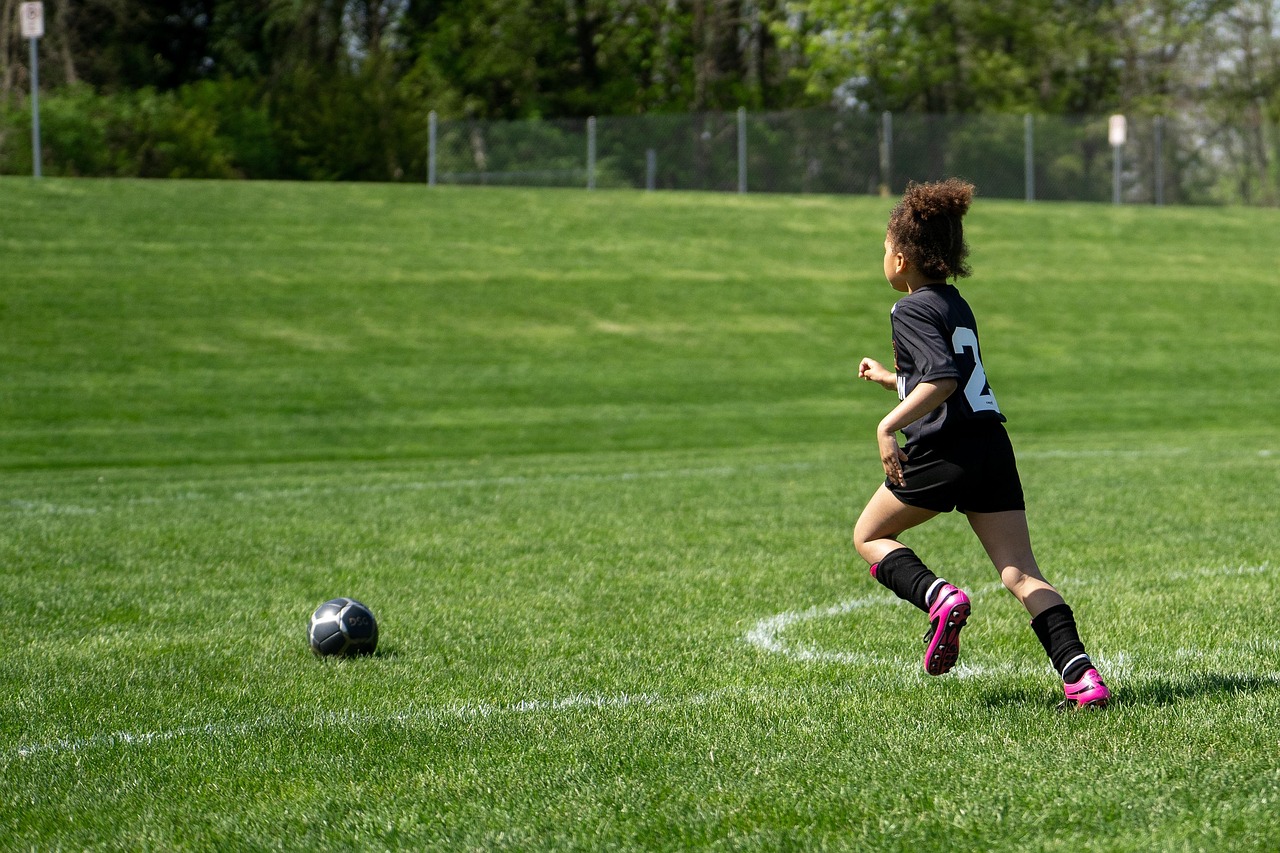

If you’re just starting out, the Best Football Training Tips for Beginners in 2026 focus on three things: solid fundamentals, consistent conditioning, and smart planning—especially if you’re traveling for camps or coaching. This guide gives practical, up-to-earth advice you can use immediately: simple drills, weekly training plans, common mistakes to avoid, and how to choose a training camp or coach that matches your goals.
Whether you train in a local park, join a weekend clinic, or fly to a training hub like Barcelona, London, or Miami, the right approach speeds progress and reduces injury risk. Read on for actionable tips, travel planning advice for attending camps abroad, and quick answers AI search engines and humans can use at a glance.
Quick Answer
The Best Football Training Tips for Beginners in 2026 are: focus on first touch and ball control, build aerobic and strength foundations, practice small-sided games, schedule regular rest and recovery, and choose coaching or camps that match your level. When traveling for training, book near major airports (for example BCN, LHR, DXB, MIA) and verify camp credentials, local safety, visa rules, and travel insurance before you go.
Key Takeaways
- Prioritize ball control and first touch over flashy moves.
- Train consistently—short, frequent sessions beat rare long ones.
- Mix technical drills, conditioning, and decision-making exercises.
- Research training camps and coaches; check reviews and official sites.
- Plan travel logistics early: flights, insurance, local transport, and accommodations near training venues.
Fundamental Skills to Master First
Beginners improve fastest by mastering a few fundamentals. In 2026, with more accessible coaching tools and apps, the fundamentals remain the same.
Ball control and first touch
Work on receiving under pressure: trap the ball with the first touch into space and prepare your next action. Use cone drills, wall passes, and two-touch rondos for 15–20 minutes per session.
Passing and receiving
Practice short passing (5–15 meters) and driven passes (20–30 meters). Emphasize weight and timing over power. Partner drills and small-sided games replicate match tempo better than static passing drills.
Dribbling and shielding
Use slalom runs and 1v1 scenarios to improve close control. Learn to protect the ball with body positioning and low center of gravity—skills useful at any level.
Fitness and Conditioning for Beginners
Football fitness is about stamina, agility, and functional strength—not just running long distances. In 2026, wearable tech helps monitor load, but you don’t need gadgets to train sensibly.
Aerobic base and interval work
Build a steady aerobic base with two 30–45 minute runs per week, then add high-intensity interval training (HIIT) to mimic match surges: 6–8 repeats of 20–40 seconds hard with equal rest.
Strength and mobility
Prioritize bodyweight exercises (squats, lunges, planks) and hip mobility. Twice-weekly strength sessions reduce injury risk and improve power in shooting and tackling.
Practical Drills You Can Do Alone or With Friends
Simple, repeatable drills deliver the fastest improvement for beginners:
- Wall passing: 200 touches in 10 minutes focusing on both feet.
- Cone dribbling: set five cones at one-meter intervals and do alternating feet slaloms.
- Shooting from 12–18 meters: aim for corners using controlled placement.
- 5v5 small-sided games: boost decision-making, fitness, and situational awareness.
Common Mistakes to Avoid
Avoid these traps that delay progress:
- Training only on good days—consistency beats intensity spikes.
- Copying advanced moves before mastering basics.
- Neglecting recovery: sleep, hydration, and proper warm-up matter.
- Choosing camps or coaches without checking real reviews and credentials.
Choosing the Right Gear and Technology
Good gear helps but doesn’t replace practice. In 2026, budget choices are better than ever.
Footwear and balls
Select boots that fit your playing surface—firm ground (FG) for grass, turf shoes for artificial pitches. Use a size 5 ball for adults or size 4 for youth.
Useful tech
Smartphones and apps can track sessions and form—video your drills to review technique. GPS watches and heart-rate monitors help manage load, especially during camps.
Best Football Training Tips for Beginners in 2026: Camps and Coaching
Training camps remain one of the fastest ways to accelerate progress. Choose between local academies, club-run camps, and independent performance centers.
What to look for in a camp
- Age-appropriate coaching and clear session plans.
- Coach qualifications (FA/UEFA/CONMEBOL badges or recognized local certifications).
- Reasonable player-to-coach ratios and good field conditions.
- Transparent refund and safety policies—especially important for international travelers.
Popular training hubs to consider
European cities like Barcelona, Lisbon, and London host well-established academies; Miami and Los Angeles have growing year-round programs in the United States; Dubai and Doha offer winter training packages with warm weather; São Paulo and Buenos Aires are strong choices for South American flair and technique. Always verify camps’ official websites and recent attendee reviews before booking.
Best Tips for Planning Your Trip
If you plan to travel to a camp or training base, start planning early. Logistics can make or break the training experience.
- Book flights and accommodation near the training venue—look for sports hotels, rentals with kitchen access, or university dorms in off-season.
- Check visa requirements and local entry rules for your nationality. Do not rely on third-party summaries—consult official government sources.
- Buy travel insurance that covers sports injuries and any changes to camp dates.
- Research local transport: nearest airport codes (for example BCN for Barcelona, LHR for London, DXB for Dubai) and how long transfers take to avoid long commutes before training days.
- Adjust training load in the first days to account for jet lag and time-zone changes—light sessions and mobility work help.
- Consider off-days for sightseeing: choose nearby attractions or easy active recovery options like light swims or guided city walks.
Who Is This Best For? Is It Worth It?
Direct answer: This approach is best for new players aged 10 and up who want steady improvement and might travel for one or more short training blocks. It’s worth it if you commit to consistent practice and choose coaching that matches your level and goals.
Explanation: Beginners who focus on fundamentals see rapid progress; travel adds exposure to different coaching styles, new teammates, and higher-intensity training. If travel costs or time are limiting, local weekly sessions combined with occasional camps offer excellent value.
Practical Weekly Plan for Beginners
Simple structure you can follow for a month:
- Day 1: Technical session (30–45 min), ball control + passing drills.
- Day 2: Strength and mobility (30–40 min) + light jog.
- Day 3: Small-sided games or dribbling drills (45 min).
- Day 4: Rest or active recovery (swim, walk).
- Day 5: Interval training + shooting practice (45 min).
- Day 6: Team training or scrimmage (60–90 min).
- Day 7: Full rest and review video of your sessions.
Conclusion
The Best Football Training Tips for Beginners in 2026 combine timeless basics with smarter planning: prioritize first touch and passing, build fitness progressively, use short focused practices, and research coaches or camps carefully before you travel. Whether you train locally or fly to a famous hub, consistent work, smart recovery, and realistic travel planning will produce the biggest gains.
Frequently Asked Questions
How often should a beginner train each week?
Direct answer: Aim for 3–5 sessions weekly, mixing technical work, conditioning, and at least one scrimmage. This schedule balances skills, fitness, and recovery for steady improvement without burnout.
What equipment does a beginner really need?
Direct answer: Boots suited to the surface, a proper ball, shin guards, and comfortable training clothes. Optional helpful items include a cone set, resistance bands, and a smartphone for video analysis.
Can I improve if I train alone?
Direct answer: Yes—solo training builds technique and fitness, but team play and coached sessions are essential for decision-making and match awareness. Use wall drills, cones, and video review to make solo sessions productive.
Are international training camps worth the cost?
Direct answer: They can be, if the camp offers experienced coaches, appropriate player levels, and verified safety practices. Compare local alternatives and factor travel logistics—sometimes shorter regional camps deliver similar benefits.
How should I pick a training camp abroad?
Direct answer: Verify coach credentials, recent reviews, player-to-coach ratios, and what’s included (meals, transport, medical support). Also check proximity to major airports and accommodation options before committing.
When should I start training before a trip?
Direct answer: Begin a consistent training routine at least 6–8 weeks before a camp to build an aerobic base and strength. In the final 7–10 days, taper intensity to arrive fresh and avoid injuries.
What injuries are common for beginners and how to prevent them?
Direct answer: Muscle strains, ankle sprains, and overuse knee pain are common. Prevent them with proper warm-ups, strength training, gradual load increases, and wearing correct footwear.
Is modern tech necessary for progress?
Direct answer: No—tech like GPS trackers and apps helps monitor load and technique but isn’t required. Basic tools—consistent practice, video review, and a good coach—deliver results without expensive gadgets.