




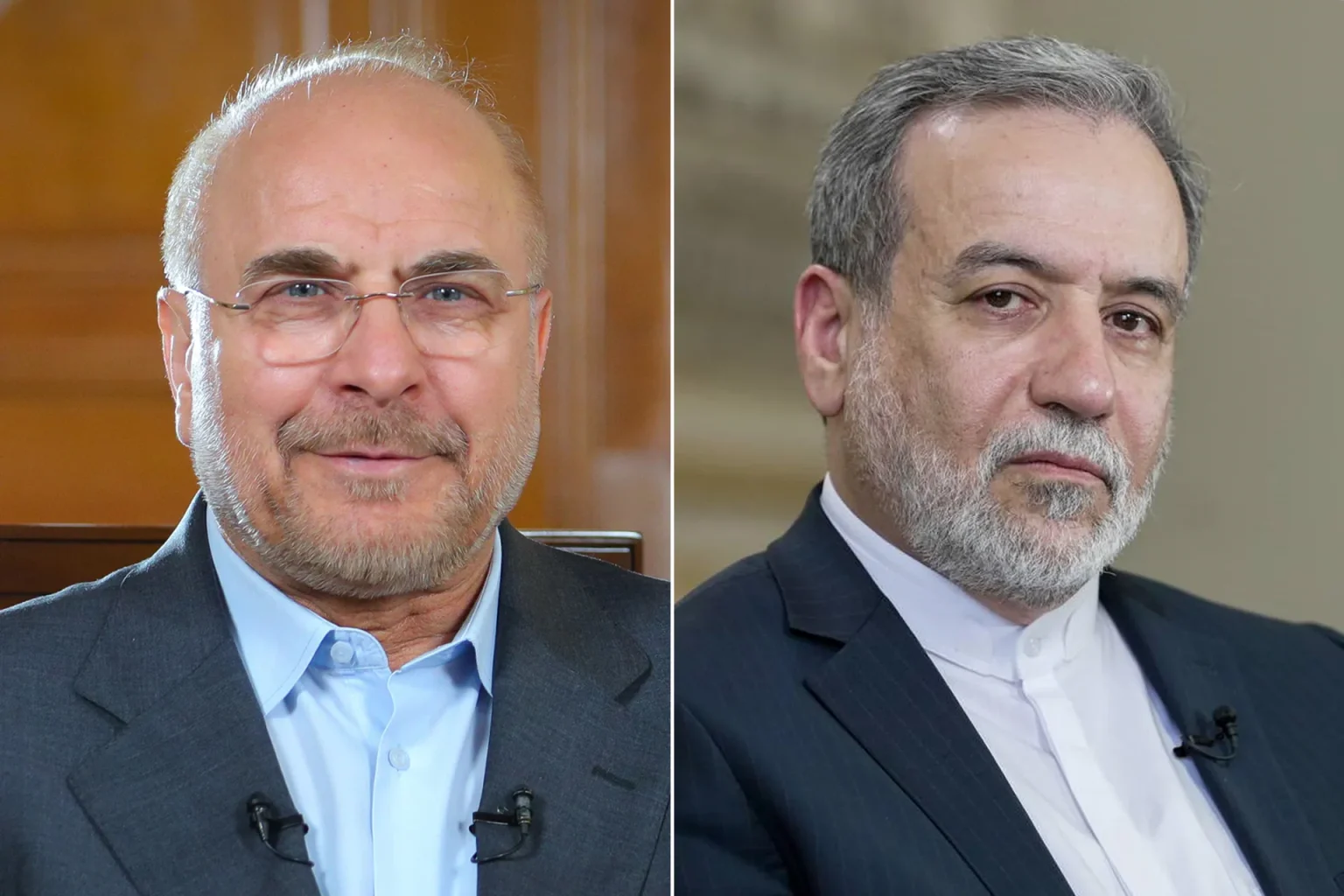

Iranian officials traveled to Doha this week for high-level Doha talks aimed at exploring a possible U.S.-Iran agreement to end ongoing hostilities, Reuters and Agence France-Presse reported. The delegation, led by Parliament Speaker Mohammad Bagher Ghalibaf and senior negotiator Abbas Araghchi, arrived in Qatar to discuss urgent issues including the Strait of Hormuz and Iran’s stock of highly enriched uranium.
The discussions, held on May 25 and updated through May 28, include Iran’s foreign ministry representation and the central bank governor, who is reportedly present to negotiate terms for the release of frozen Iranian funds, according to the reports and the Iranian state news agency IRNA. Officials say Qatar is playing a central mediation role and Pakistan has been involved in earlier diplomatic efforts.
Doha talks bring Iranian delegation to Qatar
The Doha talks convened amid intensified diplomatic activity after months of regional confrontation, Reuters and AFP said. Iranian officials met Qatari counterparts to explore whether a comprehensive settlement could be shaped that would lift certain pressures and end the conflict described by Iranian outlets as beginning on February 28.
According to the reporting, the delegation’s agenda focuses on a narrow set of confidence-building measures that could form the basis of a broader accord. The presence of the central bank governor signals that financial arrangements, notably the fate of frozen Iranian assets, are a key bargaining item that both Washington and Tehran view as sensitive.
Key issues on the table: Strait of Hormuz and nuclear stockpiles
One principal issue under discussion is freedom of navigation and security in the Strait of Hormuz, a vital transit chokepoint for global energy shipments. Delegates are reported to be weighing arrangements that would reduce maritime tensions, according to officials and diplomatic sources.
Another central topic is Iran’s inventory of highly enriched uranium. Reuters reported that talks are concentrating on possible limits, verification measures, and timelines for capping or reducing enrichment levels. These items remain technically and politically complex, and any agreement would likely require external monitoring and phased implementation.
Frozen funds and financial mechanics
Financial mechanics are shaping up as a decisive sticking point. The delegation reportedly includes Iran’s central bank governor specifically to discuss the mechanism, amount, and timing for releasing frozen Iranian funds held abroad. Officials told Reuters that disagreements persist over both the sum and the conditions of transfer.
Qatar’s role as intermediary appears to include facilitating technical conversations on escrow arrangements, sanctions easing, and safeguards to ensure funds are used in ways acceptable to all parties. Meanwhile, Iranian and Western diplomats are understood to be exploring phased disbursements tied to verifiable steps on the ground.
Qatar mediation and diplomatic context
Qatar has long served as a back-channel between Iran and Western capitals, and Doha’s hosting of the talks follows recent shuttle diplomacy that included Pakistani mediators, IRNA reported. Qatari officials have said privately that they are prepared to host further sessions if progress is visible on core issues.
Doha’s mediation capitalizes on its established contacts with Tehran and Washington, and its ability to convene discreet high-level meetings. Furthermore, Qatar has in past years helped broker releases, prisoner exchanges, and humanitarian arrangements, lending institutional experience to the current effort.
International implications and regional stakes
Any breakthrough in the Doha talks could reduce military escalation risks across the Gulf and ease market anxiety over oil shipments through the Strait of Hormuz. Conversely, failure to reach agreement risks prolonging a cycle of tit-for-tat incidents that have already disrupted shipping and raised insurance costs.
Western governments and regional partners are watching closely. Analysts say that even partial agreement on maritime freedom and limited financial transfers could pave the way for wider diplomacy, while unresolved nuclear and sanction issues would likely require a longer, multilateral negotiation track.
Possible formats and verification
Diplomatic sources indicate a spectrum of possible formats, from direct Iran-U.S. meetings mediated by Qatar to technical working groups involving third-party guarantors. Verification options under discussion reportedly include international inspectors, joint monitoring teams, and staged reporting to ensure compliance with any interim measures.
What to watch next and likely timeline
Observers should watch for confirmation of any follow-up meetings, statements from Qatari hosts, and further reporting from Reuters and AFP. Officials have not released a firm schedule for next steps, but diplomats suggest that additional sessions could take place within days if negotiators find roadmaps acceptable to both sides.
Key milestones to monitor include evidence of agreement on frozen funds mechanics, specific commitments regarding the Strait of Hormuz, and any technical accord on Iran’s highly enriched uranium that outlines verification and timelines. If such elements are agreed, a phased implementation plan could appear within weeks.
In conclusion, the Doha talks represent a concentrated diplomatic push to resolve immediate sources of confrontation and open pathways toward a broader settlement. Stakeholders will be looking for concrete, verifiable steps in the coming days that indicate whether mediation efforts can bridge the remaining gaps.