







national security of pharmaceutical industries to be discussed at FNC session
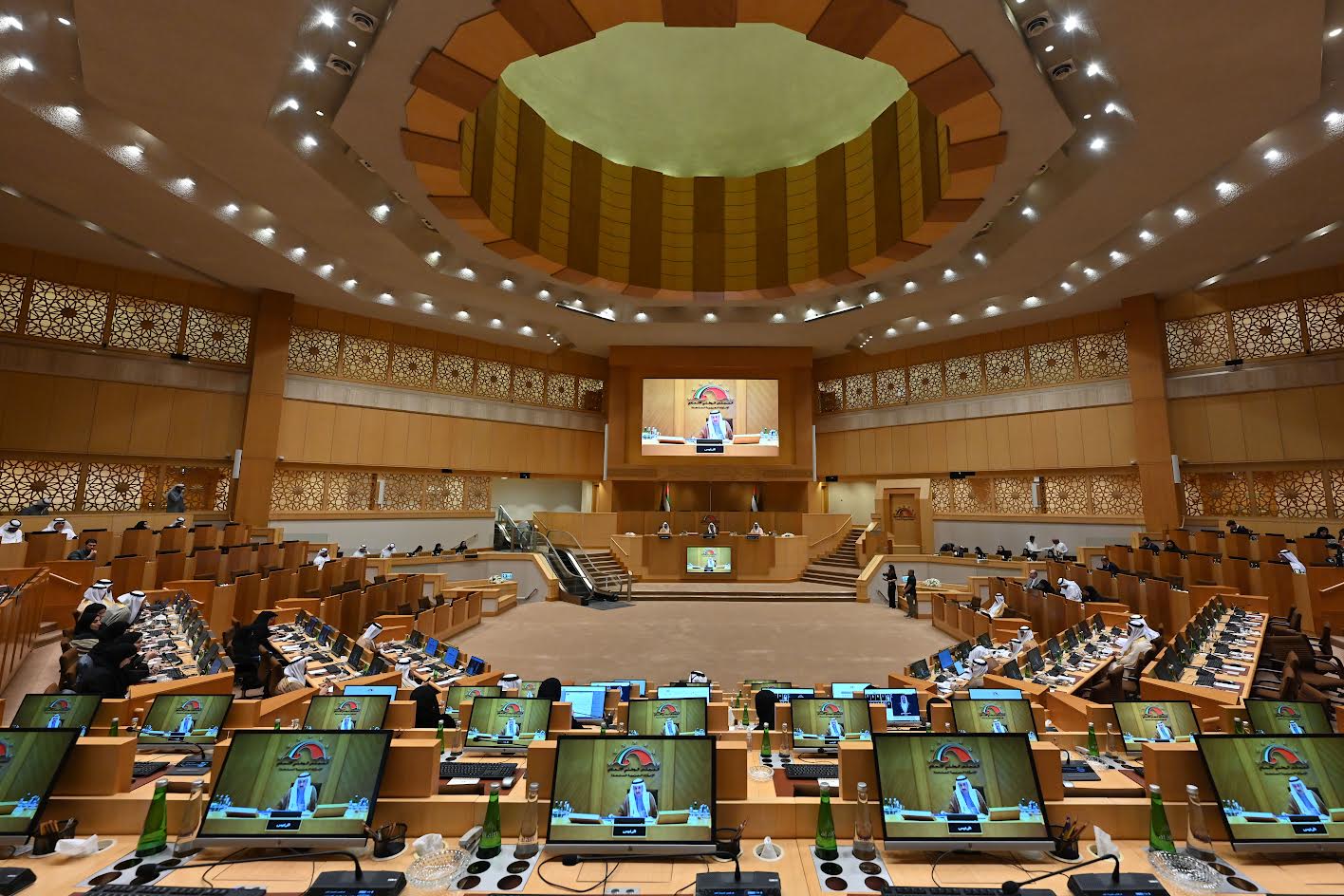
The Federal National Council will hold its third sitting of the third regular session of the 18th legislative term on Wednesday, Jan. 7, 2026, at Zayed Hall in Abu Dhabi, where the national security of pharmaceutical industries and medical supplies will be a central agenda item. The session, chaired by Saqr Ghobash, will also feature a series of parliamentary questions directed to Minister Ahmed bin Ali Al Saiagh on health service delivery and insurance matters.
Members of the council plan to question the minister on five specific topics, while the assembly will review a government communication related to a Cabinet decision on the council’s recommendations to boost fertility and family support policies. The meeting will provide an opportunity for lawmakers to press for clarifications on supply chain resilience, patient access, and services for older residents.
national security of pharmaceutical industries: policy context
Discussion of the national security of pharmaceutical industries reflects heightened attention to supply chain vulnerabilities exposed during recent global health crises. Officials have increasingly emphasized local manufacturing, strategic stockpiles, and regulatory oversight to safeguard access to essential medicines and medical supplies, according to public statements from government entities.
Furthermore, the topic links to wider economic and health system priorities, including incentives for domestic production and quality assurance across the pharmaceutical supply chain. In this context, council members are expected to question how current policies align with long-term resilience goals and whether additional measures are needed to reduce dependence on external suppliers.
Parliamentary questions and health service priorities
The council’s questions to Minister Ahmed bin Ali Al Saiagh cover clinical, preventive and social aspects of health policy. Naaima Abdullah Al Shrahan will raise two points: the mechanism for rapid medical intervention in critical cases and obstacles caused by delayed approvals from insurance companies, and the status of routine screening programs for early cancer detection.
Dr. Adnan Hamad Al Hammadi intends to question the minister on the scope and coverage of health insurance for citizens, while Aisha Ibrahim Al Marri will submit two questions concerning the establishment of rehabilitation centers for older residents in the northern emirates and the provision of medical transport services for seniors to attend health facilities. These items link operational delivery problems with broader policy choices.
Procedure and expected responses
Under council practice, ministers are typically invited to respond during the session and follow up in writing as required by parliamentary rules. The ministerial replies are likely to outline current programs, interagency coordination, and any planned regulatory or procurement actions to address the matters raised, officials said.
Implications for health insurance, elderly care and medical supplies
Questions about delayed insurance approvals and health insurance for citizens underscore friction points between public providers, private insurers, and patients. Delays in pre-authorization can affect the speed of emergency interventions, according to clinicians and patient advocates, and may prompt calls for streamlined approval pathways or emergency exception protocols.
Meanwhile, concerns about elderly care — including rehabilitation centers and medical transport — highlight service gaps in the northern emirates that could require targeted investment or public-private partnerships. Improved transport services for seniors could reduce missed appointments and ease pressure on tertiary hospitals, health planners say.
Policy responses to these service issues could interact with measures aimed at the national security of pharmaceutical industries, since secure and timely access to medicines is a foundational element of continuity of care. Strengthening local sourcing and stock management for medical supplies may be presented as complementary to reforms in insurance procedures and eldercare provision.
Government letter on population policy and legislative follow-up
The council will also review a government letter concerning a Cabinet decision on the FNC’s recommendations about enhancing birth rates and supporting families. That exchange signals coordination between the legislature and the executive on demographic policy and related health, social and fiscal measures, according to the communication noted in the council agenda.
How the Cabinet’s decision will translate into programs or budget allocations remains a point for further clarification. The council may seek timelines, responsible agencies, and expected indicators to monitor the impact of any new initiatives aimed at increasing fertility rates and supporting young families.
What readers should watch next
Observers should monitor the minister’s responses during the Jan. 7 session and any subsequent written clarifications from the Ministry of Health and Prevention. Attention will focus on whether the ministry announces immediate operational changes — for example, protocols to speed insurance approvals, expanded screening programs, or plans to develop rehabilitation and transport services for older residents.
Additionally, follow-up actions on the government’s reply about the council’s pronatalist recommendations will be important for understanding the policy trajectory on family support. Council committees may request further briefings or propose legislative measures, and stakeholders will be watching for concrete timelines or budget commitments.
In conclusion, the FNC session provides a platform for oversight and policy alignment on the national security of pharmaceutical industries, health insurance operations, and services for older citizens. The outcomes of the questions to the minister and the review of the government letter will set immediate priorities and indicate whether the executive will move to amend regulations, funding, or implementation plans in the weeks ahead.