






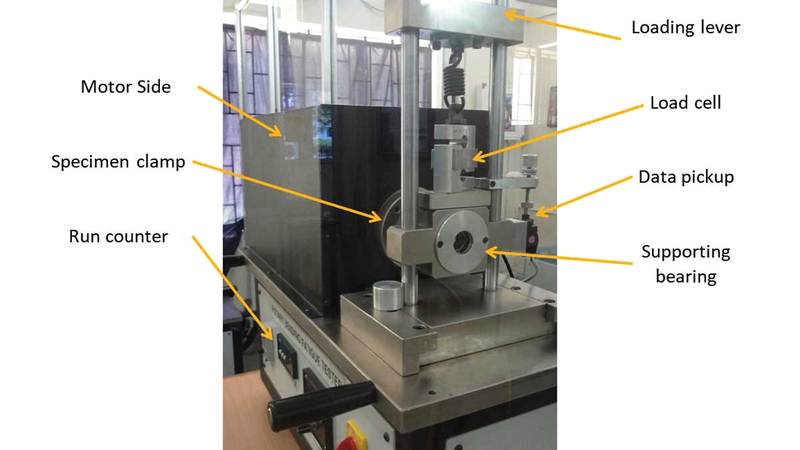

IoT drivetrain monitoring system developed at Curtin University Dubai
Mohamed Adnan Azmi, a student at Curtin University Dubai, has developed an IoT drivetrain monitoring system that uses high-precision sensors and real-time analytics to detect abnormal driveshaft vibrations and predict faults before they occur. The innovation, announced recently by the inventor, is designed to improve vehicle safety and reliability by providing early warnings and automated protective actions.
Azmi said the prototype combines Internet of Things connectivity with mechanical engineering and signal processing to monitor rotational shafts in modern vehicles. Sensors capture vibration signatures, digital processors analyze data continuously, and an IoT control node issues alerts or triggers predefined safeguards when risk thresholds are exceeded.
How the system works: sensors, signal processing and alerts
The core of the system is vibration analysis performed by high-resolution sensors mounted on the driveshaft. Data are streamed to local processing units that extract diagnostic features and compare them with baseline patterns to identify anomalies in real time. Therefore, the platform can identify early indicators of imbalance, misalignment, bearing wear or other driveline issues.
When the analysis detects a parameter that breaches predefined safety limits, the system sends a notification to a connected IoT control center. Meanwhile, if operators do not respond, the system can autonomously execute mitigation steps that were programmed in advance, such as reducing torque, limiting speed, or alerting nearby systems to isolate the fault.
Furthermore, Azmi and his team built the prototype to be modular so it can interface with existing vehicle networks. The design supports remote diagnostics and data logging, enabling fleet operators to implement predictive maintenance schedules based on actual component condition rather than fixed intervals.
Why IoT drivetrain monitoring matters for vehicle safety
Drivetrain failures can cause loss of vehicle control, roadside breakdowns and expensive repairs. Industry observers say condition-based approaches improve safety because they detect precursors that routine inspections might miss. Therefore, integrating vibration analysis with IoT connectivity offers an opportunity to reduce incidents linked to driveline faults.
Predictive maintenance enabled by an IoT drivetrain monitoring system also has economic implications. Fleet managers can lower downtime, extend component life and prioritize repairs that are demonstrably needed. Additionally, safety regulators and automotive suppliers are increasingly focused on technologies that provide continuous monitoring rather than relying solely on post-failure diagnostics.
Technical advantages and planned enhancements
Azmi described the current prototype as one of the early integrated solutions to combine driveshaft condition monitoring with Internet of Things platforms in a predictive framework. According to his description, the approach leverages signal processing to isolate meaningful vibration indicators and applies rule-based decision logic to produce actionable alerts.
Going forward, he intends to incorporate machine learning models to improve fault classification and reduce false positives. Machine learning can learn complex patterns of wear and failure across diverse operating conditions, which should enhance the system’s predictive accuracy. Additionally, plans call for upgrading sensor hardware and validating performance on actual vehicle driveshafts in controlled trials.
Hardware and data considerations
High sampling rates, sensor placement and data integrity are critical to reliable vibration analysis. Therefore, the research emphasizes calibration and robust edge processing to minimize latency and bandwidth requirements. In practice, edge analytics allow immediate protective actions while summarized data are sent to central servers for trend analysis and future model training.
Market context and potential adoption
Markets currently lack many turnkey solutions that provide continuous driveshaft health monitoring with IoT integration, industry sources suggest. Accordingly, a validated system could fill a gap for commercial fleets, passenger vehicles with high safety requirements and original equipment manufacturers looking to add condition monitoring features.
Automotive standards bodies and suppliers may view a proven predictive system as complementary to existing warning indicators such as engine fault lights. Therefore, adoption would likely proceed through pilot programs with fleet operators, supplier partnerships and regulatory evaluation to confirm reliability and interoperability with vehicle networks.
Implications for maintenance, regulation and research
If the system performs as expected, fleet maintenance practices could shift from time-based servicing to condition-driven interventions. Predictive maintenance reduces unnecessary part replacements and concentrates resources on components that exhibit early signs of degradation. Furthermore, continuous remote monitoring supports centralized maintenance planning across geographically dispersed fleets.
From a regulatory standpoint, authorities may encourage or require certain condition-monitoring features in high-risk vehicle categories. Meanwhile, academic and industry research into vibration-based diagnostics and IoT security will be important to ensure the systems are accurate, tamper-resistant and privacy-aware.
Conclusion and next steps to watch
Azmi plans to progress from the laboratory prototype to vehicle-level validation, incorporating machine learning and upgraded sensors as part of the next development phase. Observers should watch for pilot deployments, technical papers or industry partnerships that validate the approach and outline timelines for broader adoption.
Ultimately, the uptake of an IoT drivetrain monitoring system will depend on field performance, integration costs and demonstrated benefits to vehicle safety and maintenance efficiency. Therefore, the coming months of testing and collaboration with manufacturers or fleet operators will be the key indicators to follow.