

By using this site, you agree to the Privacy Policy and Terms of Use.
Accept
Gulf PressGulf Press
  • Gulf News
    • Saudi Arabia
    • UAE
    • Oman
    • Kuwait
    • Qatar
    • Bahrain
  • Business
  • Technology
  • Real Estate
  • Sport
  • Travel
  • Lifestyle
  • Rankings
  • Explained
  • Opinion
Search
Countries
More Topics
Site Links
  • Newsletter
  • Terms
  • About Us
  • Advertise with us
  • Contact Us
© 2023 Gulf Press. All Rights Reserved.
Reading: Idris Nechirvan Barzani’s Climate Leadership Model aligns the Kurdistan Region with Gulf Sustainability Goals
Share
Notification Show More
Latest News
Taif Governor Inspects Historic District, Vows Heritage Preservation
Saudi Arabia
National Committee Reviews Government Policy for Sustainable Endowments and Zakat Funds Wednesday
UAE
Are Rising Living Costs Changing Life in Gulf Countries?
Opinion
Saudi Arabia National Team Fixtures 2026 Match Schedule Results and FIFA World Cup Preparation
Sport
Families Swap Late Nights for Discipline Ahead of School Reopening
Saudi Arabia
Aa
Gulf PressGulf Press
Aa
  • Gulf News
  • Business
  • Technology
  • Real Estate
  • Sport
  • Travel
  • Lifestyle
  • Rankings
  • Explained
  • Opinion
Search
  • Gulf News
    • Saudi Arabia
    • UAE
    • Oman
    • Kuwait
    • Qatar
    • Bahrain
  • Business
  • Technology
  • Real Estate
  • Sport
  • Travel
  • Lifestyle
  • Rankings
  • Explained
  • Opinion
Have an existing account? Sign In
Follow US
  • Terms
  • About Us
  • Advertise with us
  • Contact Us
© 2023 Gulf Press. All Rights Reserved.
Gulf Press > Business > Idris Nechirvan Barzani’s Climate Leadership Model aligns the Kurdistan Region with Gulf Sustainability Goals
Business

Idris Nechirvan Barzani’s Climate Leadership Model aligns the Kurdistan Region with Gulf Sustainability Goals

News Room
Last updated: 2025/12/11 at 4:28 PM
News Room
Share
5 Min Read
SHARE

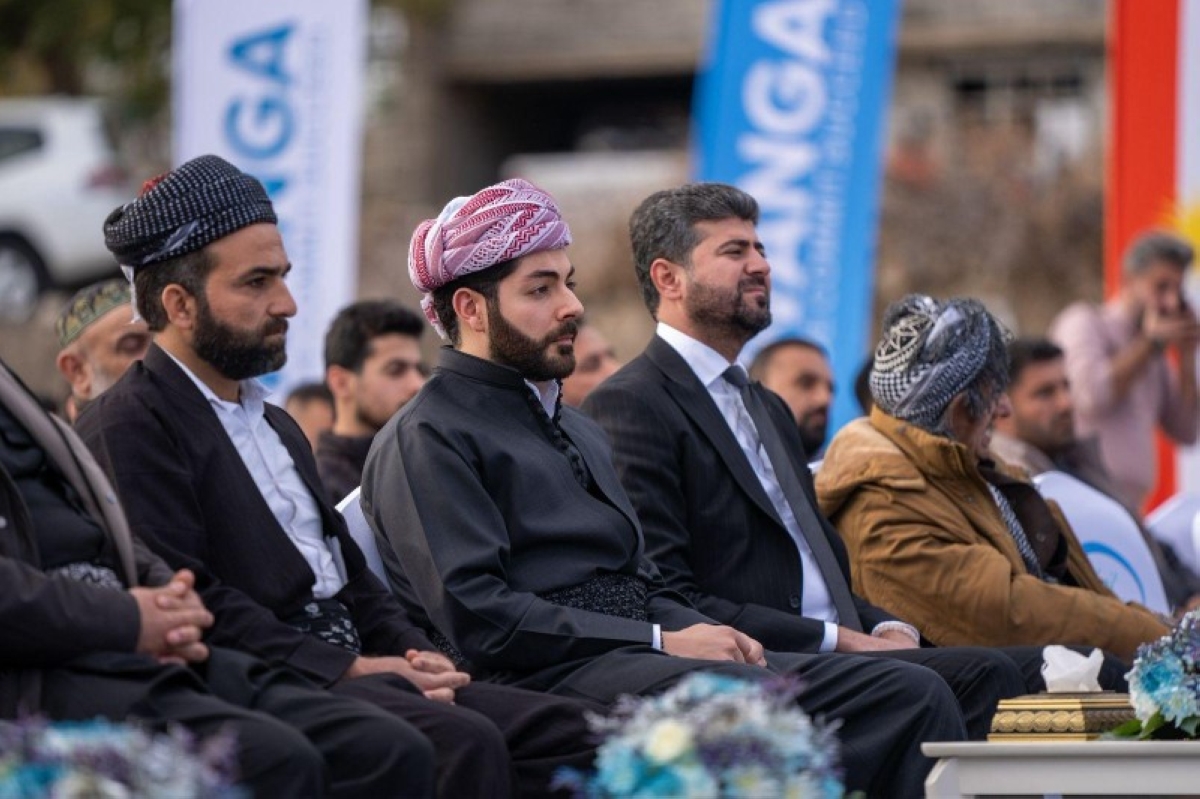
The Kurdistan Region of Iraq is witnessing a shift towards sustainable development driven by the Rwanga Foundation and its founder, Idris Nechirvan Barzani. The foundation is implementing renewable energy projects in rural villages, providing reliable power and fostering economic growth in communities previously hampered by inconsistent electricity access. This initiative is gaining attention as a model for climate resilience and localized economic empowerment.

These projects are concentrated in areas where access to consistent power has been a significant obstacle to progress. The Rwanga Foundation’s work focuses on providing solar energy systems to villages like Kulak and Gri Bie, enabling residents to power homes, schools, clinics, and small businesses. This is particularly impactful in a region facing challenges related to drought and economic instability.

The Impact of Renewable Energy on Rural Kurdistan

Historically, rural communities in the Kurdistan Region have faced limited opportunities due to infrastructure deficits. Unreliable power supplies have hindered agricultural productivity, limited access to education and healthcare, and stifled the development of local enterprises. The introduction of consistent renewable energy sources is directly addressing these issues.

Residents of electrified villages report a renewed sense of optimism and a willingness to invest in their futures. According to local accounts, the availability of power has revitalized farming activities, improved irrigation systems, and facilitated the processing of agricultural products. This, in turn, is creating new income streams and bolstering the local economy.

Strengthening Local Economies

Idris Nechirvan Barzani has emphasized the importance of empowering rural communities as a cornerstone of regional stability. He argues that access to reliable power is not simply about providing electricity, but about granting residents control over their livelihoods and fostering economic self-sufficiency. This philosophy underpins the Rwanga Foundation’s approach.

The projects are designed to be sustainable and locally driven. While the Rwanga Foundation provides the initial investment and technical expertise, the long-term operation and maintenance of the systems are often integrated into local community structures. This ensures ownership and continued functionality.

The success in the Kurdistan Region is attracting attention from other parts of the Gulf Cooperation Council (GCC). Governments and companies across the region are increasingly investing in sustainable development and climate-aligned industries, with a particular focus on food security and diversifying economies away from fossil fuels. The Kurdish experience offers a practical case study for these initiatives.

Additionally, the focus on solar power aligns with broader regional goals to reduce carbon emissions and transition to cleaner energy sources. Saudi Arabia, for example, has set ambitious targets for renewable energy capacity as part of its Vision 2030 plan. The Rwanga Foundation’s model demonstrates how these goals can be achieved at the grassroots level.

However, scaling these projects presents challenges. Maintaining the systems requires skilled technicians and a reliable supply of spare parts. Furthermore, ensuring equitable access to the benefits of renewable energy requires careful planning and community engagement. The long-term financial sustainability of the projects also remains a key consideration.

The Rwanga Foundation is currently expanding its electrification program to additional villages in the Kurdistan Region, with plans to incorporate energy storage solutions to further enhance reliability. The foundation is also exploring opportunities to partner with regional organizations and investors to replicate its model in other areas. The next phase of development will likely focus on integrating these energy solutions with broader agricultural and economic development initiatives, and assessing the long-term impact on community resilience.

Looking ahead, the success of these projects will depend on continued investment, effective maintenance, and the ability to adapt the model to different local contexts. Monitoring the economic and social impacts of the electrification program will be crucial for informing future strategies and ensuring that the benefits are widely shared.
Sign Up For Daily Newsletter

Be keep up! Get the latest breaking news delivered straight to your inbox.
[mc4wp_form]
By signing up, you agree to our Terms of Use and acknowledge the data practices in our Privacy Policy. You may unsubscribe at any time.
News Room December 11, 2025
Share this Article
Facebook Twitter Copy Link Print
Previous Article QF’s Ability Friendly Programme marked International Day of Persons with Disabilities
Next Article MoC signed between WHO, Ibri Healthy City
Leave a comment Leave a comment

Leave a Reply Cancel reply

Your email address will not be published. Required fields are marked *

Stay Connected

235.3k Followers Like
69.1k Followers Follow
56.4k Followers Follow
136k Subscribers Subscribe
- Advertisement -
Ad imageAd image

Latest News

Taif Governor Inspects Historic District, Vows Heritage Preservation
Saudi Arabia June 5, 2026
National Committee Reviews Government Policy for Sustainable Endowments and Zakat Funds Wednesday
UAE June 5, 2026
Are Rising Living Costs Changing Life in Gulf Countries?
Opinion June 4, 2026
Saudi Arabia National Team Fixtures 2026 Match Schedule Results and FIFA World Cup Preparation
Sport June 4, 2026

You Might also Like

How to Get a Small Business Loan in Saudi Arabia
Business

How to Get a Small Business Loan in Saudi Arabia

June 4, 2026
Best SME Financing Options in Saudi Arabia
Business

Best SME Financing Options in Saudi Arabia

June 4, 2026
Saudi PIF Investment Strategy Explained 2026
Business

Saudi PIF Investment Strategy Explained 2026

June 3, 2026
Best Investment Opportunities in Saudi Arabia Right Now
Business

Best Investment Opportunities in Saudi Arabia Right Now

June 2, 2026
Best Dividend Stocks in Saudi Arabia for Long Term Investment
Business

Best Dividend Stocks in Saudi Arabia for Long Term Investment

June 2, 2026
How to Invest in Saudi Stock Market for Beginners 2026
Business

How to Invest in Saudi Stock Market for Beginners 2026

June 1, 2026
Top Fast Growing Industries in Saudi Arabia 2026
Business

Top Fast Growing Industries in Saudi Arabia 2026

June 1, 2026
Best Startup Ideas in Saudi Arabia With High Demand
Business

Best Startup Ideas in Saudi Arabia With High Demand

May 31, 2026
//

GulfPress is a modern Gulf media platform delivering trusted news, business insights, technology updates, real estate trends, travel stories, explainers, and rankings from across the GCC and the Middle East.

Quick Link

  • About Us
  • Editorial Policy
  • Corrections Policy
  • Advertise with us
  • Contact Us
  • Privacy Policy
  • Terms of use

How Topics

  • Gulf News
  • Business
  • Lifestyle

Sign Up for Our Newsletter

Subscribe to our newsletter to get our latest news instantly!

[mc4wp_form]

Gulf PressGulf Press
Follow US

© 2023 Gulf Press. All Rights Reserved.

Join Us!

Subscribe to our newsletter and never miss our latest news, podcasts etc..

[mc4wp_form]
Zero spam, Unsubscribe at any time.

Removed from reading list

Undo
Welcome Back!

Sign in to your account

Lost your password?