






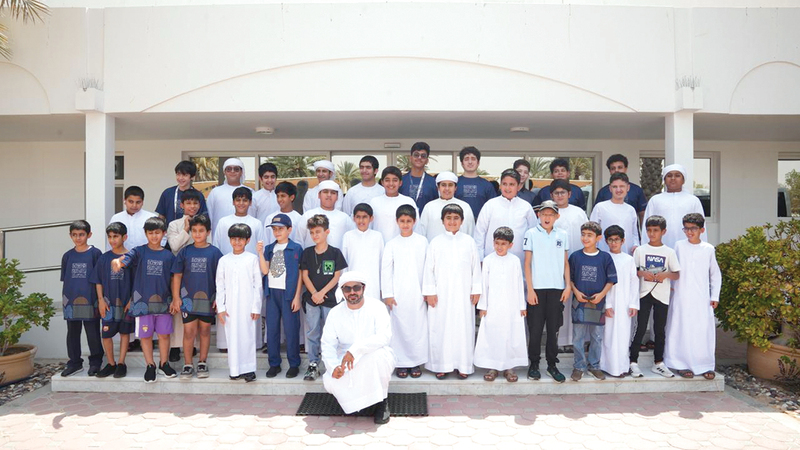

Houbara bustard conservation highlighted during student field trip
Students participating in the Summer Villages UAE 2026 program visited the National Bird Research Centre in Suweihan to learn about houbara bustard conservation. The field visit, organized by the Emirates Council for Balanced Development, introduced students to breeding facilities, research units, and educational displays that explain conservation techniques and the species’ ecological role.
The visit took place in early summer at the National Bird Research Centre, which operates under the International Fund for Houbara Conservation in the Suweihan area. Officials said the trip aimed to connect classroom learning with hands-on experiences in wildlife protection and biodiversity conservation.
What the students saw and learned at the National Bird Research Centre
During the guided tour, students inspected houbara breeding facilities, captive-breeding and release infrastructure, and a live food production unit for birds. Centre staff explained the birds’ distinctive biology and the steps taken to boost population numbers through captive breeding and scientific monitoring.
Additionally, students visited the centre’s library and engaged with interactive educational games developed by the fund’s education department. These tools covered migration patterns, geographic range, and traditional falconry heritage while underscoring sustainable wildlife practices.
Houbara bustard conservation: scientific methods and national priorities
The centre presented its scientific approach to houbara bustard conservation, including techniques to increase reproductive success and maintain genetic diversity. Researchers described husbandry improvements, habitat management, and monitoring strategies that support long-term population stability.
According to centre officials, these methods are part of a broader national effort to protect threatened species and restore ecosystems, reflecting the late Sheikh Zayed bin Sultan Al Nahyan’s vision of balance between people and nature. Furthermore, the fund’s research programs contribute to regional biodiversity conservation by sharing data and best practices.
Educational impact and skills development from the student field trip
Program leaders said the experience boosted students’ environmental awareness and practical knowledge. Students reported gaining a clearer sense of the challenges facing wild houbara populations and the types of careers and research that support wildlife protection.
Instructors emphasized hands-on learning as a key objective of the Summer Villages UAE 2026 program. The field trip aligned with the program’s goals to strengthen national identity, develop practical skills, and instill stewardship values among youth.
Interactive learning tools and community outreach
The interactive exhibits and educational games facilitated group learning and discussion. Centre educators used these resources to explain migration routes and habitat needs in a format accessible to students of diverse ages and backgrounds.
Officials noted that community outreach and school partnerships are central to long-term conservation outcomes because they create public support for habitat protection and sustainable practices.
Policy context and the role of the International Fund for Houbara Conservation
The International Fund for Houbara Conservation oversees the research centre’s scientific programs, focusing on captive-breeding, habitat restoration, and research collaborations. The fund’s initiatives operate alongside national policies to protect biodiversity and manage wildlife resources responsibly.
Experts said that coordination between research institutions, government agencies, and community programs strengthens conservation outcomes. The fund’s education and research components aim to translate scientific findings into on-the-ground protection measures for houbara and other species.
Why houbara bustard conservation matters for regional biodiversity
Houbara bustards serve as indicators of healthy desert and semi-desert ecosystems. Protecting their populations involves managing grazing, preserving migratory corridors, and reducing illegal hunting, according to conservation literature and officials at the centre.
Therefore, programs that combine science, education, and policy help maintain ecological balance and support a range of species that share the houbara’s habitats. Long-term biodiversity conservation depends on sustained monitoring and adaptive management.
Implications for students and future conservation efforts
By exposing young people to applied conservation science, the field trip fosters a generation more informed about environmental stewardship. Educators said such experiences can influence educational choices and career paths in ecology, veterinary science, and conservation management.
Furthermore, student engagement builds community-level awareness that can translate into behavioral changes supportive of wildlife protection. Officials expect that follow-up activities within the Summer Villages UAE 2026 program will reinforce lessons learned during the visit.
Looking ahead: next steps and what to watch
Officials indicated that similar field visits and collaborative projects are planned as part of the Summer Villages UAE 2026 schedule. Readers should watch for announcements about additional outreach events, new research findings from the National Bird Research Centre, and updates from the International Fund for Houbara Conservation.
In the coming months, stakeholders will likely publish progress reports on breeding outcomes and habitat restoration efforts. Meanwhile, educators said they will track the program’s impact on student interest in biodiversity conservation and wildlife protection as part of ongoing evaluation.
Conclusion: sustaining momentum for houbara bustard conservation
The student visit to the National Bird Research Centre underscores a multifaceted approach to houbara bustard conservation that combines science, education, and policy. The Summer Villages UAE 2026 program contributed to this effort by providing direct learning opportunities that align with national biodiversity conservation goals.
As follow-up activities roll out and research continues, observers should monitor how educational outreach, research findings, and policy measures interact to support the long-term recovery and sustainability of houbara populations in the region.