






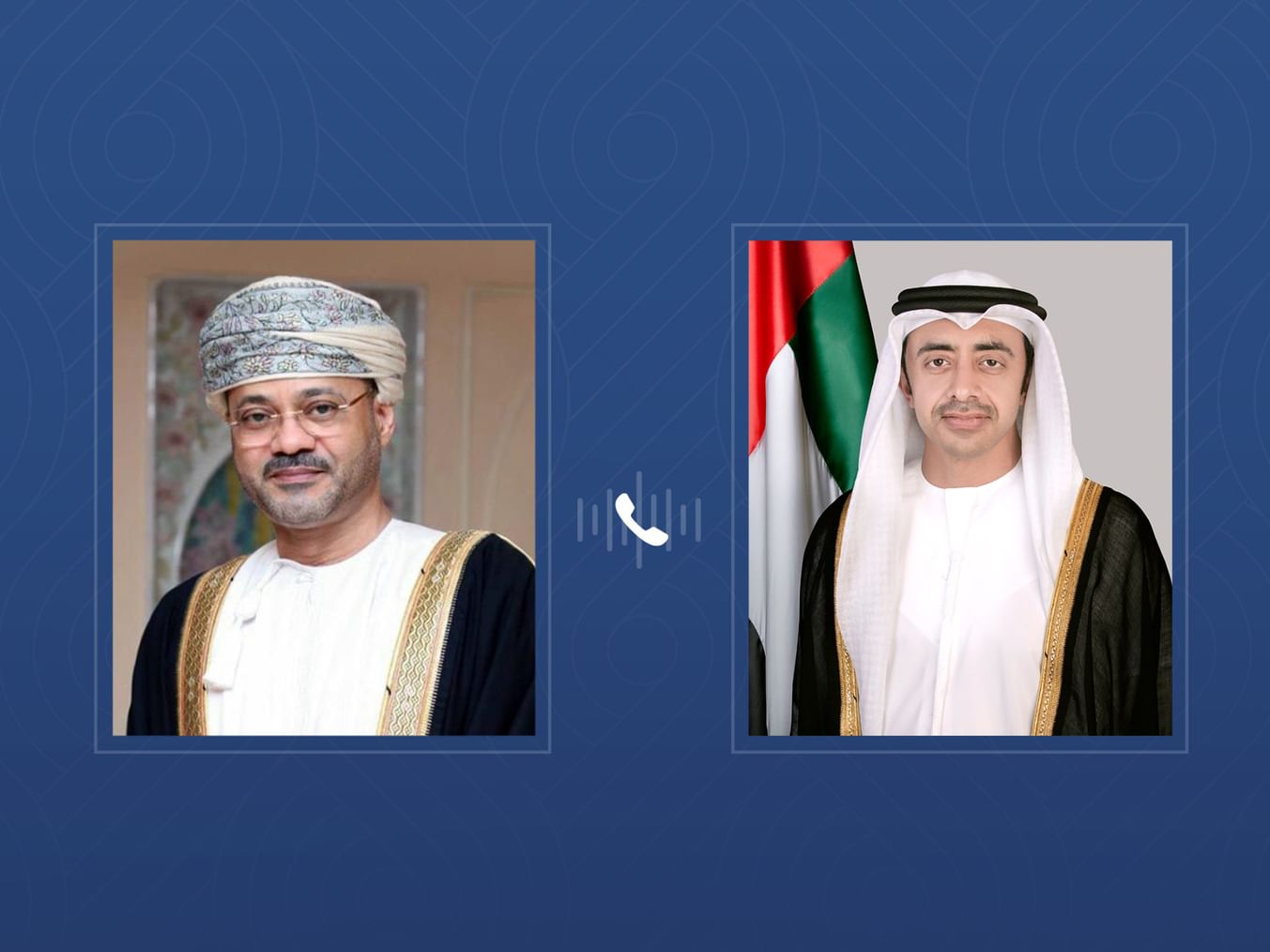

UAE-Oman foreign ministers phone call outlines regional concerns
Sheikh Abdullah bin Zayed Al Nahyan, UAE Minister of Foreign Affairs and Deputy Prime Minister, held a telephone discussion with Omani Foreign Minister Badr bin Hamad bin Hamoud Al Busaidi to review recent developments in the Middle East. The UAE-Oman foreign ministers phone call, confirmed by a UAE foreign ministry statement, focused on regional security and efforts to achieve sustainable stability in the region.
The ministers also reviewed longstanding fraternal relations between the United Arab Emirates and the Sultanate of Oman and discussed ways to broaden cooperation for mutual prosperity. The call took place amid heightened diplomatic attention to Middle East developments, according to official sources.
UAE-Oman foreign ministers phone call: key topics addressed
During the UAE-Oman foreign ministers phone call, officials said the discussion covered security coordination, political developments, and diplomatic engagement across the region. Furthermore, the ministers examined ongoing initiatives aimed at de-escalation and confidence-building among neighboring states.
Additionally, they considered collaborative measures related to maritime security, humanitarian response mechanisms, and the protection of critical infrastructure. According to the ministry statement, both sides underscored the need for constructive diplomacy and continued dialogue.
Regional security and Middle East developments
Regional security was central to the conversation as both ministers assessed recent Middle East developments and their implications for stability. In contrast to unilateral approaches, the ministers emphasized multilateral consultation and information sharing as practical tools to reduce tensions.
Moreover, the discussion reflected concerns shared by Gulf Cooperation Council partners about spillover risks from conflicts and the importance of safeguarding energy and shipping routes. The ministers reiterated support for political solutions and humanitarian considerations, officials said.
Strengthening bilateral cooperation and economic ties
Beyond strategic matters, the UAE-Oman foreign ministers phone call highlighted prospects to deepen bilateral cooperation in trade, investment, and infrastructure. Officials noted that closer economic coordination could bolster resilience and create new opportunities for private sector engagement.
Areas for practical collaboration
Specifically, both sides identified energy collaboration, transport connectivity, and sustainable development initiatives as priority areas for enhanced engagement. Therefore, officials recommended technical dialogues and working-level meetings to translate political will into implementable projects.
Furthermore, the ministers expressed interest in expanding cultural and people-to-people ties to reinforce long-term relations and mutual understanding between the two countries.
Diplomatic coordination and multilateral engagement
The call also reinforced a shared preference for diplomacy and coordination in addressing regional crises. According to the UAE statement, the ministers agreed to maintain regular communication with regional and international partners to support mediation efforts where feasible.
Meanwhile, they underscored the role of international organizations and Gulf forums in facilitating collective responses to security and humanitarian challenges. Officials suggested that cooperative frameworks provide more effective avenues for de-escalation than isolated initiatives.
Implications for policy and stability
Analysts say the UAE-Oman foreign ministers phone call signals a continued alignment on pragmatic approaches to regional security and economic resilience. Therefore, policymakers in Abu Dhabi and Muscat appear to favor steady diplomacy and targeted collaboration over rhetorical confrontation.
Additionally, the emphasis on sustainable stability reflects a broader Gulf objective to shield economies from external shocks and to preserve vital trade and energy corridors. The ministers’ focus on practical cooperation suggests incremental but tangible policy coordination in coming months.
What to watch next
Observers should watch for follow-up contacts, technical working groups, and potential high-level visits that could operationalize the call’s outcomes. Both governments may publish further details through foreign ministry channels, including possible sectoral agreements or joint statements.
Finally, the trajectory of Middle East developments will influence the pace and content of UAE-Oman collaboration. In the near term, readers should monitor official communiqués and regional diplomatic forums for updates on security initiatives and bilateral cooperation.