





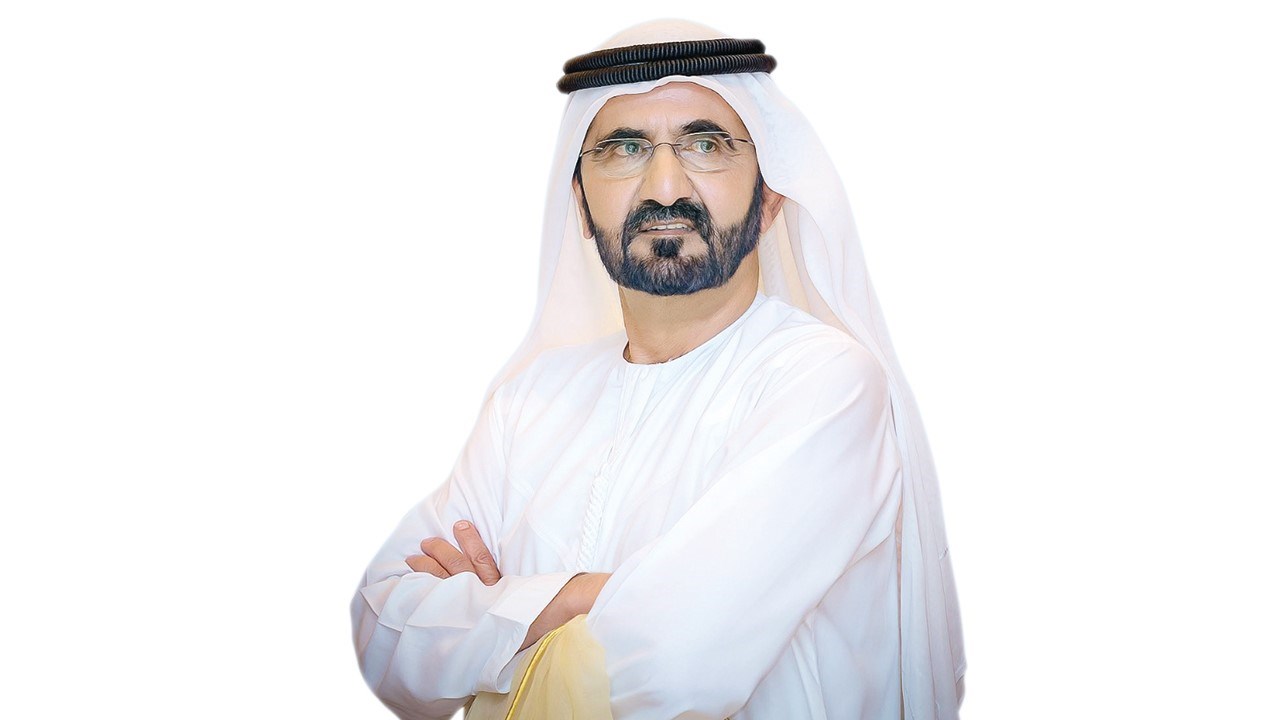

On International Youth Day, Sheikh Mohammed bin Rashid Al Maktoum reaffirmed the government’s confidence in UAE youth, calling them the nation’s most precious asset and its greatest hope. The vice president and prime minister of the UAE posted the message on his official X account, emphasizing that young people are leading major scientific, economic and technological projects across the country.
Sheikh Mohammed’s remarks on the global observance underscore a continuing national focus on skills, innovation and leadership development. Officials and stakeholders say the statement reflects ongoing policies that prioritize investment in education, entrepreneurship and technology for the next generation.
UAE youth central to national strategy
The message highlights the centrality of UAE youth in the country’s development plans. According to government communications, young Emiratis and residents are increasingly visible in sectors from research and startups to advanced manufacturing and digital services.
Furthermore, authorities have signaled that empowering youth remains a sustained national priority rather than a one-off initiative. The leadership stressed that youth energy is considered a primary engine for national progress and global competitiveness.
Policy context and youth empowerment efforts
The government’s renewed pledge coincides with a broader policy context emphasizing youth empowerment, vocational training and higher-education linkages with industry. Ministries and local authorities have in recent years expanded scholarship programmes, incubators and mentorship schemes to align skills with labor-market needs, officials said.
Additionally, public-private partnerships and free-zone initiatives in cities like Dubai have created more pathways for young entrepreneurs to launch tech firms, design labs and export-oriented ventures. These efforts are aimed at translating the talents of young people into measurable economic outcomes.
International Youth Day recognition and local impact
Celebrated globally, International Youth Day creates a platform for national leaders to highlight youth-related priorities. Sheikh Mohammed’s post used the occasion to reinforce that investments in education and innovation are core to long-term prosperity.
Meanwhile, youth councils, community programmes and university research centres continue to report increased participation and project outputs, indicating that policy attention is paired with grassroots engagement. Observers note that coordinated strategies across ministries strengthen the link between policy declarations and on-the-ground results.
How young leaders are driving science and technology
Officials point to growing numbers of youth-led projects in artificial intelligence, renewable energy research and digital health, which are drawing support from government grants and accelerator programmes. These initiatives, according to industry sources, aim to build domestic capabilities and reduce reliance on imported expertise.
Therefore, enabling frameworks such as access to funding, regulatory sandboxes and international partnerships have been emphasized as practical tools to nurture talent. Universities and research institutions are also expanding collaborative agreements with industry to fast-track commercialization of student innovations.
Economic implications and workforce transformation
Investing in youth is framed as an economic strategy as much as a social one. Transforming talent into productive contributors supports diversification goals and can enhance the private sector’s capacity to innovate and compete globally, economists said.
In addition, targeted training in digital skills and entrepreneurship is expected to alter workforce composition by increasing the share of knowledge-intensive roles. Analysts recommend tracking placement rates and business survival metrics to assess long-term impact.
Public reception and stakeholder reactions
Community leaders, educators and business groups generally welcomed the leadership’s message, characterizing it as consistent with years of policy direction. Academic administrators noted increased interest among students in research partnerships and startup competitions.
However, some stakeholders emphasize the need for measurable benchmarks and transparent reporting on program outcomes. They suggest that clear timelines, outcome indicators and independent evaluations would help translate renewed confidence into concrete achievements.
International collaboration and soft power
Officials say the focus on youth also enhances the UAE’s international profile by positioning the country as a hub for talent development. Collaborative programmes and exchange agreements with foreign universities and technology centres support knowledge transfer and global networks.
Therefore, the leadership’s message on International Youth Day can be read as both domestic reassurance and a diplomatic signal about the UAE’s commitment to nurturing future leaders and innovators.
What to watch next
Observers should watch for specific policy announcements and funding rounds tied to youth-focused programmes over the coming months. Ministries and development agencies often follow symbolic statements with implementation plans, pilot projects and calls for proposals.
Furthermore, stakeholders expect the government to publish performance data and targets related to youth employment, entrepreneurship outcomes and research outputs in the next policy cycle. Tracking those indicators will be essential to assess whether renewed confidence translates into measurable progress.
For background on the global observance, see the United Nations International Youth Day page: International Youth Day.
Conclusion: Sheikh Mohammed’s public endorsement reinforces a sustained national emphasis on developing the capacities of UAE youth. Moving forward, readers should monitor upcoming programme launches, funding allocations and policy documents to gauge how this renewed confidence will be operationalized and measured in practice.