






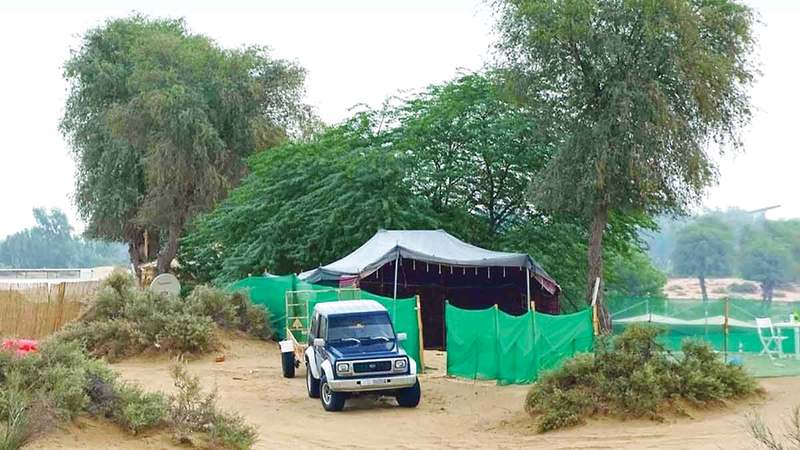

Abu Dhabi Sets Guidelines for Rental of Agricultural Properties
The Department of Municipalities and Transport in Abu Dhabi has established four operational requirements for the rental of agricultural properties, known as “azhab,” aiming to ensure the optimal usage of land and its resources. This initiative is designed to avoid fines and the potential forfeiture of properties, promoting responsible land use among tenants.
According to the centralized Abu Dhabi government service platform, “Tamm,” the annual rental price for fully serviced azhab is set at 0.25 dirhams per square meter, while the rent for those with incomplete services is 0.15 dirhams per square meter. These measures are part of Abu Dhabi’s broader strategy to enhance agricultural land management.
Operational Requirements for Rental Agreements
The Department of Municipalities and Transport has clarified that all rental agreements for azhab must meet specific operational requirements aimed at preserving land and resources. Each azhab is subject to individual conditions regarding its use and maintenance.
Renters are advised to ensure compliance with four key requirements to avoid penalties and possible confiscation of the agricultural property. These include:
- Preparing the azhab and starting the approved activities within the specified time frame.
- Providing the minimum required livestock based on the size of the azhab.
- Adhering to the dimensions and areas stated in the rental agreement.
- Maintaining the cleanliness of the property and disposing of waste only in designated areas.
Furthermore, tenants must meet the minimum livestock requirements during the lease renewal process and be informed of their responsibilities. Failure to comply may result in the property being reclaimed without prior notice.
Digital Services for Agricultural Property Management
On its part, the Tamm platform offers an electronic service that enables citizens to request allocation of an azhab for various purposes, including livestock breeding and seasonal uses. The process is facilitated through simplified steps relying on digital identity verification.
Applicants must fulfill a set of basic conditions, such as being at least 21 years old and having a minimum monthly income of 30,000 dirhams. Exceptions are made for senior citizens, retirees, and eligible recipients of social assistance. Additionally, applicants cannot have another rental contract for an azhab in the same city, though camel owners are exempt from this rule. The rental period for an azhab is one year, with a minimum holding duration of six months for livestock.
Rental Costs and Application Process
The Tamm platform specifies that the contract issuance fee is 500 dirhams. Annual rental fees for agricultural properties remain at 0.25 dirhams per square meter for fully serviced locations and 0.15 dirhams for those with lesser services. Applicants are required to attach relevant documents, including proof of membership, salary certificates, and notifications from the Ministry of Community Empowerment.
Last year, the Department of Municipalities and Transport introduced a suite of digital services via the Tamm platform aimed at simplifying the management of azhab rental contracts. This aligns with the department’s guiding principles for regulating land affairs and enhances efficiency in service delivery.
The suite includes services such as “azhab exchange,” “azhab substitution,” and “transfer of azhab among individuals.” The “azhab exchange” service allows current renters to swap their leases with another tenant’s, with mutual consent and municipal approval, while adhering to established conditions. The “azhab substitution” service enables a current tenant to exchange their rental for another available property elsewhere, while the “transfer of azhab” service allows a tenant to surrender their lease to a new tenant who meets all criteria, ensuring the exiting tenant waives any further claims to the property.
Conclusion and Next Steps
With these new guidelines and digital innovations, Abu Dhabi seeks to promote sustainable agricultural practices and streamline rental processes for these properties. Tenants are encouraged to familiarize themselves with the regulations and utilize available online services to ensure compliance. Looking ahead, stakeholders should watch for further developments aimed at enhancing agricultural land management as Abu Dhabi continues to invest in its digital infrastructure and public services.