






Social empowerment program “Madar” launched nationwide
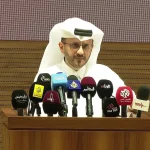
The Ministry of Community Empowerment has launched a new social empowerment program called Madar, officials said in a recent announcement. The integrated national platform aims to move beneficiaries from reliance on social assistance to productive participation in the labor market and community life.
The program was unveiled as part of a broader national direction to promote economic independence and improve living standards across the United Arab Emirates, the ministry stated. It will target beneficiaries who are able to work and contribute, guiding them toward sustainable opportunities for employment and production.
Program design and core objectives of the social empowerment program
Madar is designed as a coordinated platform that combines assessment, training and placement services to support beneficiary transition. The ministry outlined objectives that include developing individual capabilities, linking participants to job opportunities and strengthening family stability through sustained income.
Officials described the initiative as a shift from providing one-time assistance to enabling long-term self-reliance, noting that the social empowerment program seeks measurable improvements in household welfare and community resilience. Furthermore, the program emphasizes dignity, skills development and pathways to meaningful work.
Paths and services: workforce readiness, entrepreneur support and financial literacy
The program offers multiple tracks tailored to beneficiaries’ capacities and readiness. One path focuses on workforce readiness through vocational training, skill refinement and job placement services to help participants enter or re-enter the labor market.
Professional empowerment track
Under the professional empowerment track, participants receive practical training and soft-skill development, with the ministry facilitating connections to suitable employers. Additionally, the program provides career counseling and support to ensure better alignment between participant skills and labor market demand.
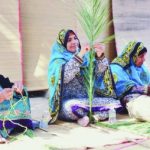
Another track targets entrepreneur support for Emirati family businesses and home-based projects. The ministry said this stream will assist small and domestic project owners in establishing and scaling ventures, thereby diversifying household income sources and promoting self-employment.
Financial literacy is an integral component across tracks, with dedicated modules that cover budgeting, savings, investment basics and business financial management. These modules aim to increase participants’ financial resilience and long-term planning capacity.
Monitoring performance and promoting economic independence
The ministry will monitor the performance of beneficiaries for a full year after placement to ensure continuity and long-term results. Officials said follow-up will focus on employment stability indicators and access to supplementary support and incentives where needed.
This monitoring approach is intended to translate short-term placement into sustained economic independence and to identify gaps where further intervention or training may help retain or advance participants in their careers. Therefore, the program aims to produce both individual and community-level development outcomes.
Eligibility, coordination and expected implementation steps
Madar targets beneficiaries who are deemed capable of work and production, directing them to the most appropriate track based on readiness assessments. The ministry indicated that eligibility and referral processes will be coordinated with social support units and local partners to ensure an efficient transition from assistance to empowerment.
Implementation will rely on collaboration with training providers, employers and local business support organizations. Meanwhile, the ministry intends to use performance data and participant feedback to refine delivery and scale successful interventions over time.
Implications for workforce and communities
Experts say initiatives that combine workforce readiness, entrepreneur support and financial literacy can reduce dependency on regular assistance and improve household economic outcomes. The ministry suggested that Madar could contribute to higher employment rates among beneficiaries and stronger family stability when implemented at scale.
Furthermore, supporting small and home-based enterprises may boost local entrepreneurship ecosystems and diversify income streams for families. In contrast to short-term aid, the ministry emphasized that the program’s design aims for sustainable impact through capacity building and ongoing support.
What to watch next
Readers should watch for rollout details and enrollment information from the Ministry of Community Empowerment in the coming months. Officials will likely publish guidance on eligibility, partner roles and timelines as the initial wave of beneficiaries moves into training and placement phases.
Follow-up reports on participant outcomes and employment retention over the year ahead will be key indicators of the program’s effectiveness, the ministry noted. Therefore, stakeholders and observers should monitor published performance metrics and any adjustments to the program model.
Conclusion and forward look
Madar represents a deliberate policy shift toward enabling beneficiaries to achieve economic independence through targeted training, entrepreneur support and financial literacy. The ministry’s one-year follow-up commitment aims to secure durable employment outcomes and foster broader community benefits.
Going forward, the next step will be the phased implementation and public release of operational details, including partner engagement and measurement frameworks, which will determine how effectively the social empowerment program translates policy intent into measurable progress for individuals and families.