






Dubai fatwas see more than 92,000 rulings in first half of 2026
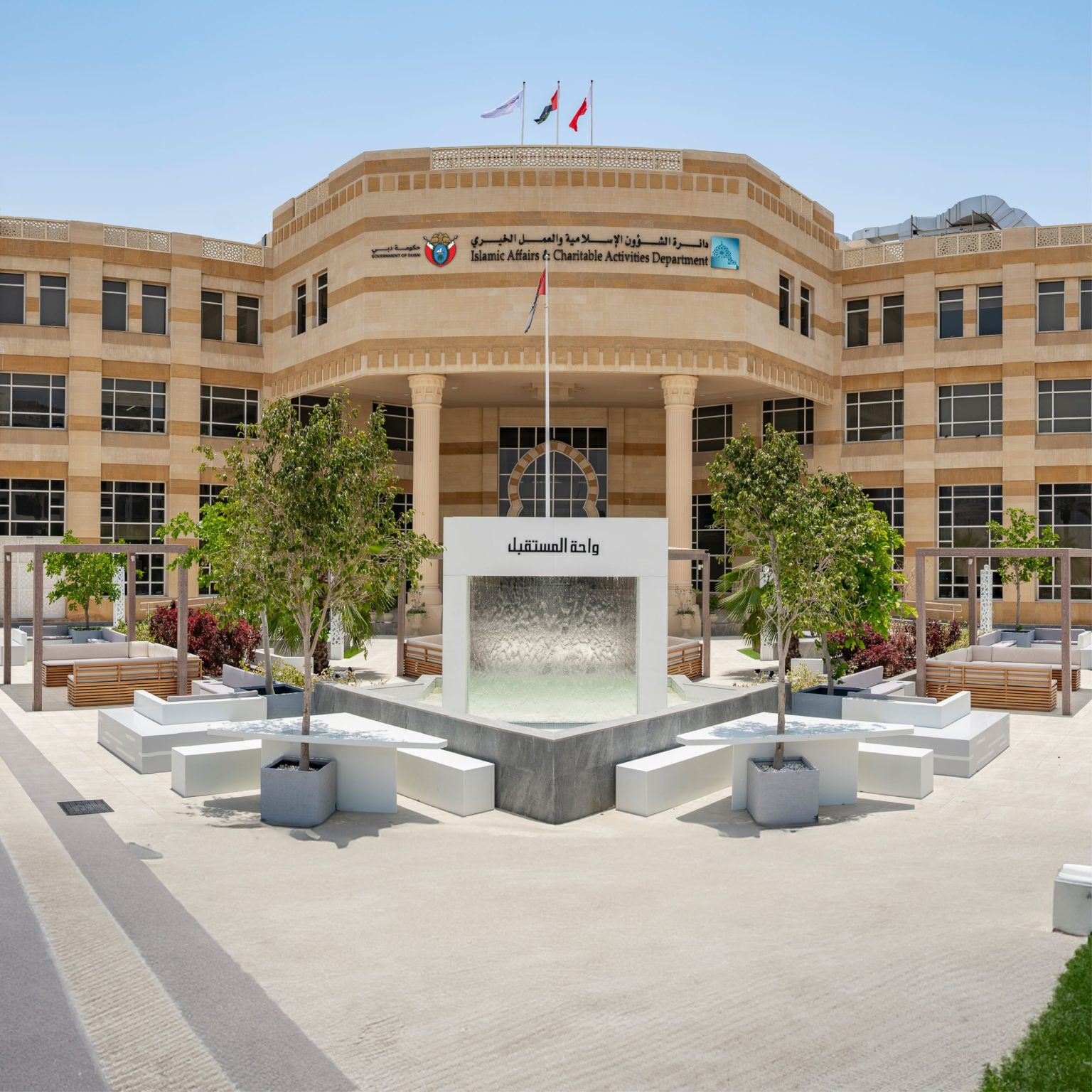
Dubai fatwas totaled more than 92,000 rulings during the first half of 2026, the Islamic Affairs and Charitable Activities Department reported, reflecting a significant outreach across multiple service channels. According to department officials, the volume covers phone, electronic, council-based and written fatwas, underscoring ongoing efforts to make religious guidance widely accessible in Dubai.
The department said the figure included over 86,000 verbal responses delivered via its toll-free fatwa hotline, roughly 4,900 electronic fatwas, more than 1,200 opinions issued through fatwa councils, about 120 formal written fatwas, and close to 80 answers given in face-to-face interviews. Officials added that the data illustrate both demand for and the diversity of fatwa services available to residents.
Breakdown of service channels for Dubai fatwas
The largest share of Dubai fatwas was handled through the toll-free hotline, which the department continues to operate as a primary access point for immediate guidance, officials said. Meanwhile, online fatwas accounted for nearly 5,000 queries, showing the growing role of digital platforms in delivering Islamic guidance.
Fatwa councils remain an important channel for collective deliberation, with approximately 260 council sessions held in the first half of the year to address community inquiries and to promote religious awareness. Furthermore, the department maintained a smaller but high-impact output of formal written fatwas and in-person consultations for complex or sensitive cases that require documented responses.
Response performance, timing and quality assurance
The department reported an on-time response indicator of 94 percent for fatwas handled within the stipulated service windows, signaling robust operational performance. For electronic submissions, the average response time was about two and a half days, while written fatwas took an average of five days, according to the published figures.
Officials noted a response-rate improvement in the second quarter, with the percentage of queries answered within the department’s benchmarks surpassing 88 percent. Therefore, the combination of rapid-response channels and longer-form written opinions allows the department to balance timeliness with the need for careful jurisprudential review.
Methodology and oversight behind the fatwa system
Dr. Ahmed bin Abdulaziz Al Haddad, Chief Mufti and Director of the Fatwa Department, said the issuance of fatwas is founded on a methodology that seeks to combine classical Islamic sources with contemporary relevance. He emphasized adherence to the Quran and Sunnah, scholarly consensus, and the established jurisprudential schools, while also taking into account the lived realities and modern developments affecting the community.
Furthermore, the department indicated that fatwa production follows strict scientific and jurisprudential controls intended to ensure accuracy and consistency. In practice, this means that rapid verbal answers are complemented by consultative review processes for rulings that require detailed analysis or written documentation.
Community engagement and educational outreach
The fatwa councils organized during the reporting period served dual functions: responding to individual queries and advancing public religious literacy. The roughly 260 council meetings were designed to foster direct interaction between scholars and various social groups, thus reinforcing trust and clarifying normative positions on everyday matters.
Additionally, the department highlighted the role of fatwa services in supporting family stability, social cohesion, and the promotion of moderate values. Therefore, community engagement is framed not only as a service-delivery task but also as part of a broader awareness and guidance mission aimed at strengthening societal reassurance.
Digital transformation and accessibility
Officials pointed to the integration of modern technologies as a key element in widening access to Islamic guidance, particularly through online fatwas and the toll-free hotline. As a result, the department can manage high volumes while maintaining oversight, and it can reach diverse demographic segments, including non-resident workers and younger users who favor digital channels.
Context and implications for religious services in Dubai
The reported figures reflect a strengthening of institutional capacity to provide religious rulings at scale, which has implications for public confidence and social stability. Observers or stakeholders assessing religious service delivery may view the department’s performance metrics—such as response rates and average handling times—as indicators of administrative efficiency and responsiveness to community needs.
Moreover, the mix of immediate verbal responses and more deliberative written fatwas suggests an evolving service model that aims to preserve scholarly rigour while meeting expectations for timely guidance. Therefore, the department’s approach could serve as a model for other institutions balancing tradition and innovation in issuing religious opinions.
What to watch next
Looking ahead, readers should watch for quarterly updates that may track changes in service usage, response performance, and the expansion of digital offerings. The department has signaled an ongoing commitment to consolidating its scholarly authority and expanding access, but officials have not published a detailed public timeline for new initiatives.
Therefore, stakeholders and community members are likely to monitor subsequent performance reports and any announcements about enhanced online platforms, outreach programs, or additional training for fatwa personnel. These developments will indicate how the department plans to sustain both quality and reach in its fatwa services.