





Government Proposals to Enhance the Arabic Language in the UAE
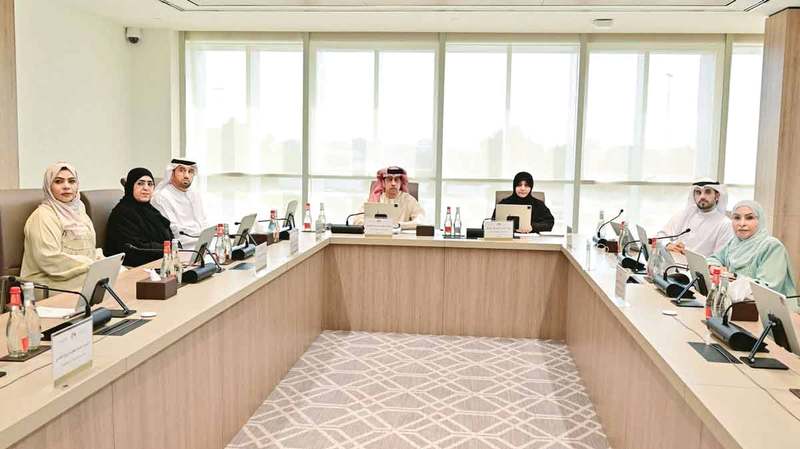
A recently approved parliamentary report by the Education, Culture, Youth, Sports, and Media Affairs Committee of the Federal National Council includes twelve government proposals aimed at strengthening the presence of the Arabic language, protecting it, and enhancing its use within the Emirati society. These proposals span various sectors, including media, education, employment, artificial intelligence, and legislation.
The suggestions arise from discussions between the committee and relevant government entities as part of a broader effort to establish an integrated system that enhances the status of the Arabic language, solidifies national identity, and supports its presence across different sectors in the UAE.
Key Proposals in the Report
The parliamentary report outlines several significant proposals. One of the key recommendations is to introduce a new criterion on the “Ameen” platform, designed to track errors related to Arabic language use in media content. Additionally, leveraging artificial intelligence technologies in support of the Arabic language within the media sector is highlighted. Looking toward the future, there is also a call for the development of smart applications dedicated to the Arabic language, alongside increased community awareness and education about the importance of the Arabic language and national identity within Emirati society.
Further discussions involving representatives from the Office of Artificial Intelligence, Digital Economy, and Remote Work Applications emphasized the need to make proficiency in the Arabic language a requisite for all job applicants in the UAE. This practice is in line with standards seen in many advanced countries regarding employment criteria. Moreover, the report suggests collaborating with national institutions to utilize artificial intelligence technologies to support and develop the Arabic language while considering smart applications and technical innovations that serve Arabic speakers.
Legislation and Policy Changes
An agreement was reached among the committee members and the Ministry of Culture on the necessity of preparing a comprehensive legal project aimed at protecting and promoting the Arabic language in the country. The committee confirmed its commitment to support the ministry’s efforts to present this law to the government. Additionally, there is consensus on the importance of establishing a national council dedicated to the Arabic language, viewed as a cornerstone for ensuring the success of future legislation and enhancing the Arabic language’s standing within the Emirati community.
To further this initiative, the Ministry of Culture is expected to provide detailed periodic reports on the status of the Arabic language in the UAE, which will outline developments and challenges in this area.
Education System Reforms
The Ministry of Education reaffirmed its focus on restructuring priorities to ensure greater attention is paid to students and the development of their essential skills, particularly in improving Arabic language curricula, especially in reading and writing. It was noted that the ministry is working on a long-term plan to comprehensively redesign Arabic language curricula, with a significant emphasis on the importance of community and educational field input in this process to ensure alignment with national needs.
Moreover, the ministry stressed the importance of national identity being a cohesive part of school curricula to foster a sense of national belonging among students. Additionally, achieving a balance between the mother tongue (Arabic) and the English language is a priority, especially in the private education sector that relies on ministerial curricula and standard competitions and assessments to attain this goal.
Teacher Development and Resources
The ministry considers teacher competencies as foundational in the process of teaching the Arabic language. There has been gradual improvement in teachers’ levels through a one-week training program at the beginning of each academic year. However, concerns remain regarding the lack of specialized training programs that meet teachers’ needs based on their individual competencies and skills. While educational platforms such as “Ktabi” and “Alif” have been utilized to assess students and support teachers, there is a need for a clear mechanism to evaluate the effectiveness of these platforms in improving student performance and adequately supporting educators.
Conclusion and Future Outlook
The proposed measures reflect a critical step towards ensuring the Arabic language’s viability and prominence in the UAE. As the ministry and the committee collaborate further, the next expected steps will likely involve drafting the comprehensive law for language protection and establishing the national council for the Arabic language. Furthermore, stakeholders and the public should remain engaged in discussions surrounding the ongoing efforts to enhance Arabic language education and its cultural significance within Emirati society.