




Yemeni deputy defense minister comments
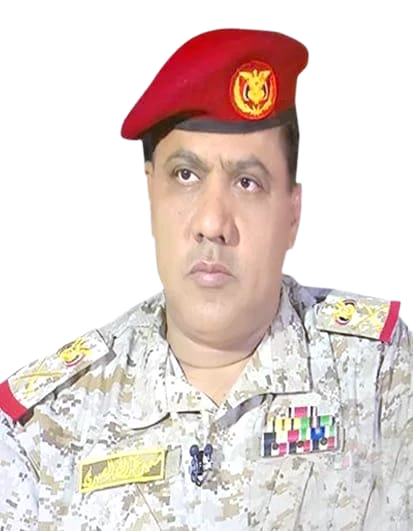
The Yemeni deputy defense minister told Okaz in an interview published an hour ago that the Houthi movement initiated the current phase of hostilities and that the legitimate government will be the force to end the fighting. The statement, attributed to the official, places blame squarely on the Houthis and reiterates support for restoring internationally recognized authorities across Yemen.
Who, what, when and where
The remarks came as renewed clashes and escalatory rhetoric have been reported across multiple fronts in Yemen, according to media accounts and ministry statements. The Yemeni deputy defense minister spoke from a government-aligned location and addressed both domestic and regional audiences, saying the government aims to restore order and sovereignty.
Officials said the comments were intended to frame the government’s narrative ahead of expected diplomatic engagement and potential military planning. Meanwhile, humanitarian agencies continue to report severe civilian needs in areas affected by the Yemen conflict.
Context of the Yemen conflict and the Houthis
The Houthi movement, which controls large parts of northern Yemen and the capital Sanaa, has been a primary belligerent in the broader Yemen conflict for several years. Analysts note that shifts in front-line dynamics and intermittent ceasefires have repeatedly broken down, producing periodic escalations.
Furthermore, the legitimate government of Yemen has relied on external diplomatic and military support to contest Houthi advances, according to official statements. The deputy minister’s comments reflect a longer-standing government position that the Houthis bear responsibility for initiating large-scale offensives and undermining negotiations.
Military and political implications
If the government follows through on a campaign to retake territory, military planners and regional partners will have to weigh operational objectives against the humanitarian and political costs. The Yemeni deputy defense minister emphasized the need to reassert state control, suggesting potential coordination with allied forces and diplomatic channels.
Additionally, military escalation could complicate relief operations and access for aid organizations, which have already warned of shortages and impediments in several governorates. Therefore, international actors are likely to press for de-escalation even as they assess options for supporting the legitimate government.
Diplomatic balance and regional stakes
Regional powers and the United Nations have maintained that a negotiated settlement remains the most viable path to lasting peace, according to multiple diplomatic sources. Meanwhile, government statements accusing the Houthis of initiating new violence may be designed to strengthen the government’s bargaining position in any upcoming talks.
In contrast, the Houthis have presented their own security narratives and territorial claims, complicating mediation efforts. Observers say any breakthrough will require compromises on governance, security arrangements, and humanitarian access.
Humanitarian impact and international response
Humanitarian agencies have repeatedly warned that renewed hostilities risk worsening an already severe crisis, with millions dependent on aid. The deputy minister’s assertion that the legitimate government will end the fighting raises concerns about the timing and conduct of any offensive operations and their impact on civilians.
International responses will likely include calls for restraint, renewed UN mediation efforts, and potential diplomatic measures aimed at preventing further civilian harm. Furthermore, donor countries and relief organizations may condition assistance on improved access and protections for aid workers.
What the statement means for negotiations and next steps
The Yemeni deputy defense minister’s public remarks signal a firm government posture as diplomats plan next steps. According to officials and analysts, the government may seek to leverage international recognition and partnerships to consolidate diplomatic gains and prepare for potential military action.
Therefore, stakeholders should watch for movement on several fronts: announcements of military operations or redeployments, diplomatic contacts involving the United Nations and regional capitals, and any shifts in humanitarian access arrangements. These developments will indicate whether the situation moves toward de-escalation or a broader confrontation.
Forward-looking conclusion
The government’s declaration that the legitimate authorities will end the conflict sets a clear political objective, but outcomes will depend on military realities, diplomatic engagement, and humanitarian constraints. In the coming days and weeks, observers should monitor statements from the Yemeni deputy defense minister, UN mediation timelines, and any coordinated international responses.
Ultimately, the path forward will hinge on whether parties agree to substantive negotiations or whether further fighting makes a negotiated settlement more difficult. Readers should watch for official announcements, changes on the ground, and responses from key regional and international actors as the situation evolves.