




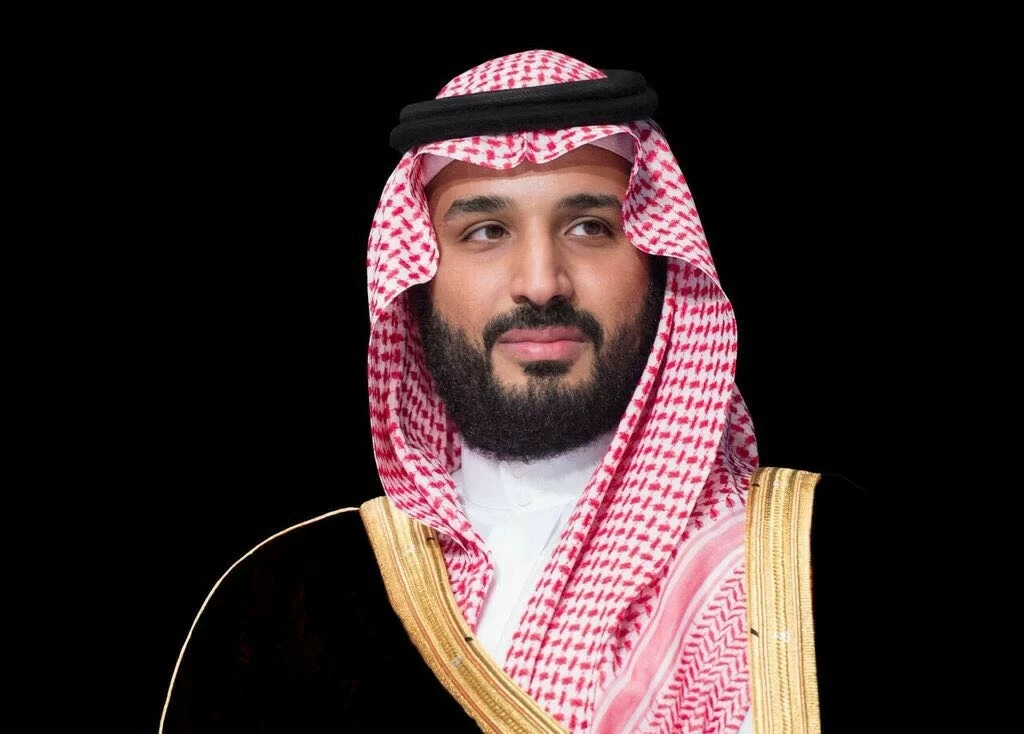

Saudi-Bangladesh relations took center stage today after Saudi Arabia’s Crown Prince and Prime Minister Mohammed bin Salman received a written communication tied to Dhaka during a bilateral exchange in Jeddah. The message, described in official statements as originating from the Prime Minister of the People’s Republic of Bangladesh and associated with Tariq Rahman, was handed over on the sidelines of the 23rd extraordinary session of the Council of Foreign Ministers of the Organization of Islamic Cooperation (OIC).
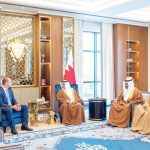
Prince Faisal bin Farhan, Saudi Arabia’s foreign minister, accepted the letter while receiving Humayun Kabir, Bangladesh’s Minister of State for Foreign Affairs, the foreign ministry said. The meeting reviewed bilateral ties and provided an opportunity for senior officials to exchange perspectives on issues of mutual interest.
Saudi-Bangladesh relations deepen during Jeddah meeting
The exchange in Jeddah reflects a continued emphasis on strengthening Saudi-Bangladesh relations, officials noted. The foreign minister meeting served as a diplomatic channel to reaffirm cooperation on political, economic and social matters, according to the Saudi foreign ministry’s account.
Meanwhile, the encounter occurred amid an OIC gathering that brought together foreign ministers to discuss regional and international challenges. Therefore, the Jeddah meeting offered an efficient setting for both sides to align priorities and signal intent to enhance collaboration across multiple areas.
Details of the foreign minister meeting
Prince Faisal met with Humayun Kabir on the margins of the OIC session, and the Saudi foreign ministry said the written communication to the Crown Prince and Prime Minister was formally transferred during that meeting. Attending the discussion was Walid Al-Khereiji, Saudi Arabia’s minister of foreign affairs, who joined officials in reviewing the status of cooperation.
According to official briefings, the two delegations exchanged views on matters of common concern and explored avenues to elevate government-to-government engagement. Furthermore, officials described the meeting as constructive, emphasizing the importance of regular high-level contact to sustain momentum in bilateral ties.
Context and implications for bilateral ties
Saudi-Bangladesh relations encompass trade, labor migration, religious affairs and development cooperation, analysts say, and the latest diplomatic exchange may reinforce those channels. Bangladesh hosts a significant expatriate workforce in Saudi Arabia, while Riyadh has been a partner in investment and infrastructure for Dhaka; therefore, discussions often focus on the practical mechanisms that support citizens and commerce.
In addition, both capitals have an interest in coordinating positions within multilateral forums, including the OIC. The foreign minister meeting in Jeddah allowed both sides to align on shared priorities at a time when regional dynamics and humanitarian matters remain prominent on the OIC agenda.
Officials did not announce specific new agreements following the meeting, and the public statement confined itself to the exchange of views and the delivery of the written communication. However, observers suggest the contact could pave the way for working-level talks or memoranda of understanding in sectors such as labor mobility, investment facilitation, and religious tourism cooperation.
How the Jeddah meeting fits into broader diplomacy
Short-term, the meeting strengthens channels for dialogue between Dhaka and Riyadh, providing a framework for follow-up through embassies and relevant ministries. Therefore, institutional steps such as technical committees, trade delegations or consular coordination are plausible next moves, officials said would be appropriate.
Longer-term, enhanced Saudi-Bangladesh relations may include deeper economic ties if both governments prioritize concrete projects. Analysts caution that any major shifts will depend on negotiations at technical and ministerial levels, and on domestic policy calendars in both countries.
Related diplomatic patterns
Furthermore, the use of OIC sessions as a venue for bilateral exchanges reflects a broader diplomatic pattern where international gatherings serve double duty as platforms for focused talks. In contrast to standalone state visits, these side meetings can accelerate agenda-setting while offering political cover for sensitive subjects.
Additionally, the presence of senior diplomats from both sides indicates a willingness to sustain high-level engagement. The timing, on the margins of the extraordinary session of the OIC Council of Foreign Ministers, underscores the link between bilateral and multilateral diplomacy in the region.
What to watch next
Observers should watch for follow-up statements from either foreign ministry detailing concrete steps, such as working groups or scheduled ministerial visits. Moreover, trade missions, labor agreements or cooperation on Hajj and Umrah facilitation could surface as practical outcomes to look for in the coming months.
Meanwhile, any formal response from the office of the Crown Prince and Prime Minister or a public reply from the Bangladeshi government would clarify the message’s intent and the priorities both sides intend to pursue. Therefore, upcoming diplomatic activity, including bilateral meetings at future OIC gatherings or regional summits, will provide additional indicators of momentum.
In conclusion, the delivery of a written message linked to Dhaka during the Jeddah meeting highlights a deliberate effort to sustain and potentially deepen Saudi-Bangladesh relations. Readers should watch for concrete follow-up steps from ministries and embassies in the weeks ahead as the two countries translate diplomatic intent into specific cooperative measures.