







Ozone-depleting substances disposal rate rises to 69% in first half of 2026
The Kingdom raised the disposal rate for ozone-depleting substances to 69 percent during the first half of 2026, according to data released by the National Center for Environmental Compliance. The progress covers the controlled destruction and management of HCFCs and other regulated materials as part of Saudi Arabia’s compliance with the Montreal Protocol.
National Center for Environmental Compliance reports operational progress
The Center said it authorized the release of more than 8,000 metric tons of ozone-depleting substances and HFC resources since the start of the year, within a managed phase-down initiative that regulates import and circulation under environmental safeguards. Officials noted that these authorizations are part of a broader plan to ensure imports and trade meet international obligations and domestic quota limits.
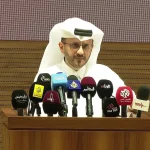
Spokesman Saad Al-Mutrafi told reporters that strengthened oversight and a modernized environmental clearance system have helped increase disposal outcomes. Furthermore, the Center has issued over 3,200 clearance permits for substances covered by the Montreal Protocol since 2023, a move officials say improves traceability and enforcement.
How the clearance system and customs link improved enforcement
Saudi authorities attribute the rise in disposal rates to improved regulatory systems and interagency cooperation. The Center established an electronic clearance linkage with the Zakat, Tax and Customs Authority, which expedited shipment processing while maintaining environmental controls. As a result, clearance times have shortened and compliance checks have become more consistent, officials said.
Meanwhile, the environmental clearance system sets out documentation, reporting and storage conditions for imports and exports of controlled substances. Therefore, companies participating in the supply chain must follow specified handling procedures, and the Center retains the ability to audit and revoke permits if conditions are breached.
International commitments: Montreal Protocol and Kigali Amendment
Saudi Arabia’s actions align with commitments under the Montreal Protocol and the Kigali Amendment, which targets HFCs used as replacement gases with high global-warming potential. The Center confirmed that the Kingdom ratified the Kigali Amendment in September 2025, a step officials characterized as enhancing efforts to reduce potent climate-warming gases while protecting the ozone layer.
The Montreal Protocol remains the global framework for phasing out HCFCs and other ozone-depleting substances. The Center’s report indicates that tightening import controls and tracking supply chains are central to meeting scheduled phase-out milestones and international reporting requirements.
Secondary measures and technical capacity
In addition to permits and customs cooperation, the Center supports industry through technical guidance on safe disposal and refrigeration alternatives. Training for technicians and awareness campaigns for importers have been part of the operational rollout, officials said, to reduce accidental releases and improve end-of-life recovery of regulated substances.
Implications for climate policy and regional cooperation
Environmental analysts say the Kingdom’s increased disposal rate has both ozone protection and climate co-benefits by curbing releases of HCFCs and HFCs. Reducing these substances contributes to short-term climate mitigation because many replacement or alternative gases carry high global-warming potential, and management limits unintended emissions.
Furthermore, the Center highlighted Gulf cooperation as an element of the strategy, noting that harmonized regional standards can reduce smuggling risks and improve collective compliance. Officials argued that integrated regional action strengthens enforcement and provides economies of scale for technical solutions and monitoring.
Data, transparency and next monitoring steps
The Center’s published figures form part of routine compliance reporting and are used to calibrate quotas and future authorizations. Analysts caution that accuracy in inventorying stocks and ensuring end-of-life destruction is essential to sustaining progress reported for the first half of 2026.
Therefore, ongoing verification, periodic audits and transparent public reporting will be important to validate performance against both national targets and Montreal Protocol schedules. The Center indicated that more granular data on sectoral sources and destruction facilities will be shared in subsequent reports, subject to standard review timelines.
What to watch next
Observers should monitor several near-term developments: the Center’s next quarterly or annual compliance update, adjustments to import quotas based on verified destruction rates, and any new technical assistance programs to accelerate HCFC phase-out. Additionally, implementation of Kigali Amendment provisions will require tracking HFC consumption and the rollout of low‑GWP alternatives in refrigeration and foam sectors.
Finally, industry response to tighter controls and the availability of certified destruction capacity will influence whether the Kingdom sustains or improves on the 69 percent disposal rate reported for the first half of 2026.
Conclusion and forward outlook
Saudi Arabia’s reported rise to a 69 percent disposal rate for ozone-depleting substances in early 2026 reflects strengthened regulatory oversight, customs integration and adherence to international agreements, according to the National Center for Environmental Compliance. Going forward, stakeholders should watch for continued transparency in reporting, enhanced destruction verification and the practical implementation of Kigali Amendment measures as the next steps in the Kingdom’s HCFC phase-out and broader climate mitigation efforts.