






Salman Relief food distribution continues in Gaza
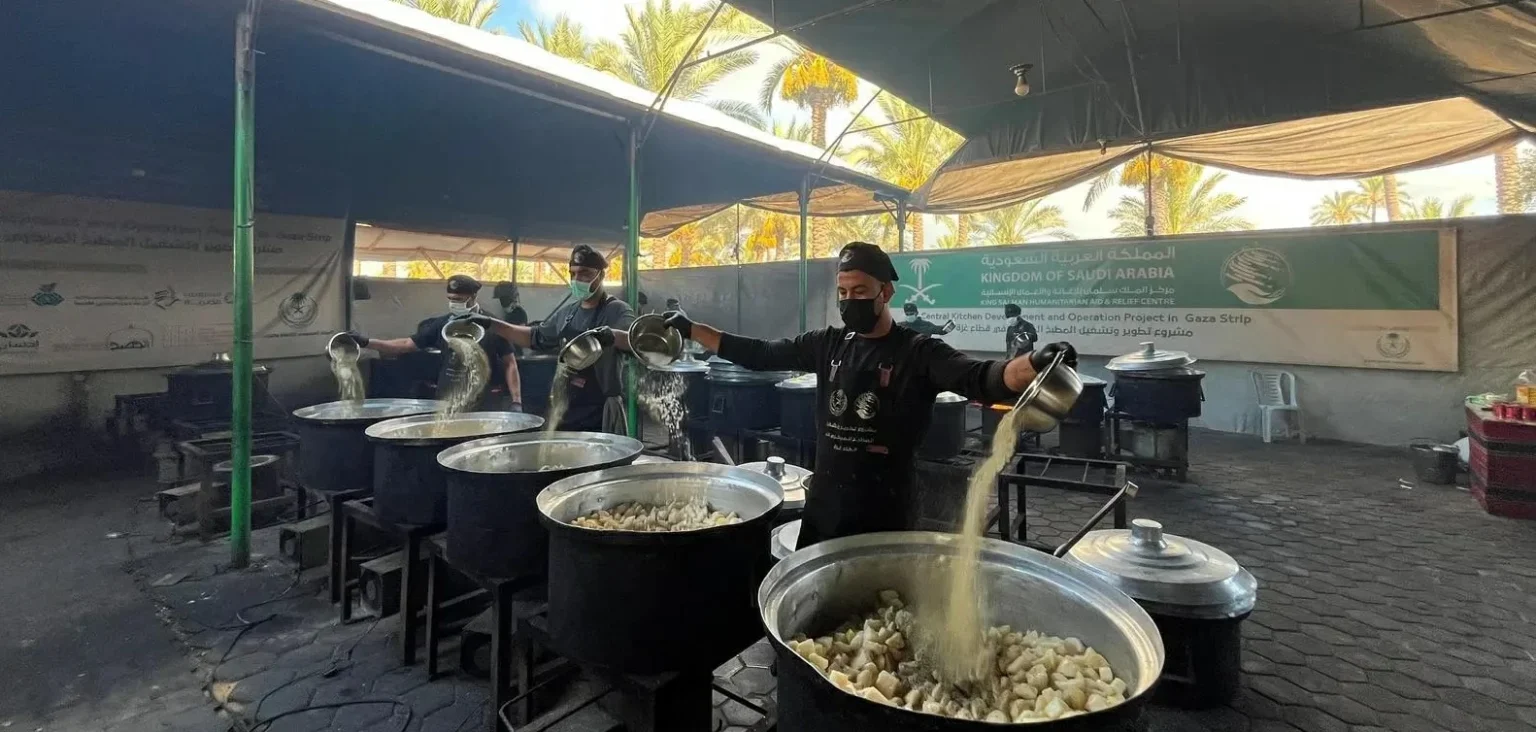
The King Salman Humanitarian Aid and Relief Center continued food distribution in Gaza, delivering prepared meals to displaced families and communities, officials said. The Salman Relief food distribution operation, active as of 17 hours ago, targeted neighborhoods and shelters across northern and central Gaza to address urgent needs among civilians affected by recent hostilities.
Salman Relief teams coordinated with local partners and authorities to reach populations with limited access to markets and cooking facilities. Meanwhile, the effort formed part of broader Gaza humanitarian aid efforts led by international and regional organizations, according to official statements.
Scope and immediate impact of Salman Relief food distribution
The Salman Relief food distribution has focused on prepared meal packs intended for immediate consumption, providing nutrition where cooking fuel and safe kitchen space are scarce. According to the King Salman Center, distribution points were set up near shelters, hospitals, and community centers to reach vulnerable groups, including families with children and the elderly.
Furthermore, humanitarian actors on the ground reported that meal distribution helped reduce acute food insecurity in targeted neighborhoods. The meal distribution approach complements other Gaza humanitarian aid activities that supply dry rations, water, and medical support, officials said.
Operational challenges and logistics
Delivering meals in Gaza presents significant logistical hurdles. Road access, security checkpoints, and damaged infrastructure have limited the movement of aid convoys, requiring Salman Relief and partners to adapt routes and timing, according to relief officials. Therefore, small-scale distribution hubs and mobile teams were used to reach neighborhoods cut off from major roads.
In addition, storage and preservation of prepared food demand quick turnaround and precise coordination. The King Salman Center said teams relied on refrigerated vehicles and local kitchens when possible, while volunteers and aid workers maintained hygiene protocols to prevent spoilage and illness.
Coordination with local and international actors
Coordination has been critical to avoid duplication and ensure that meals reach those most in need. Salman Relief worked alongside Palestinian civil defense, local charities, and international organizations to map needs and set priority areas, relief officials stated. This coordination aimed to align meal distribution with other relief efforts, such as medical aid and water deliveries.
Moreover, international agencies monitoring Gaza humanitarian aid indicated that collaborative planning reduced logistical bottlenecks. Therefore, monthly and daily briefings among agencies have been used to adjust distribution plans based on shifting security conditions and displacement patterns.
Volunteer networks and local capacity
Local volunteer networks have played a supporting role in distributing food and identifying high-need households. Volunteers acted as local liaisons, helping Salman Relief teams navigate communities and prioritize recipients. The engagement of community leaders also helped establish transparent lists for distribution to ensure fairness and accountability.
Humanitarian implications and public health considerations
Providing ready-to-eat meals mitigates immediate hunger and reduces exposure risks related to unsafe cooking in damaged buildings. Public health officials emphasized that meal distribution also minimizes the need for people to travel to crowded markets, which can heighten vulnerability, especially for people with limited mobility.
However, aid actors cautioned that meal distribution is a short-term response. Sustainable food security in Gaza depends on restoring supply chains, accessing agricultural inputs, and reopening markets. Consequently, Salman Relief food distribution should be viewed as one component within a wider humanitarian strategy.
Funding, transparency, and accountability
Relief organizations stressed the importance of transparent reporting on resource allocation. The King Salman Humanitarian Aid and Relief Center provided regular updates on the locations and volumes of meal distributions, according to public statements. These updates aimed to reassure donors and partner agencies that aid was reaching intended beneficiaries.
Nevertheless, independent monitoring and third-party verification remain essential for ensuring that aid reaches the most vulnerable and that operations comply with humanitarian standards. Donor coordination and clear logistics plans help sustain continued meal distribution in the coming days and weeks.
Context within broader Gaza humanitarian aid efforts
The Salman Relief food distribution is part of a larger humanitarian response in Gaza that includes medical assistance, water and sanitation services, and emergency shelter support. International organizations and regional partners have urged sustained access to deliver comprehensive relief and to prevent a deeper humanitarian crisis, according to aid briefs and situation reports.
Additionally, authorities and aid coordinators have underscored the need for safe corridors and predictable access for humanitarian convoys. Therefore, the reliability of future Salman Relief operations will depend on continued cooperation and secure passage for aid deliveries.
What to watch next
Observers should monitor announcements from the King Salman Center and local partners for updates on distribution schedules and geographic coverage. Meanwhile, agencies will likely report on how meal distribution adapts to shifting displacement patterns and security developments.
Looking ahead, stakeholders will watch for measures to transition from immediate meal distribution to medium-term food security interventions, including restoring market access and supporting food supply chains. Therefore, readers should watch for coordination outcomes and any changes to humanitarian access that would affect ongoing aid deliveries.