





Islamic Affairs Signs Executive Program with Tajik Religious Affairs
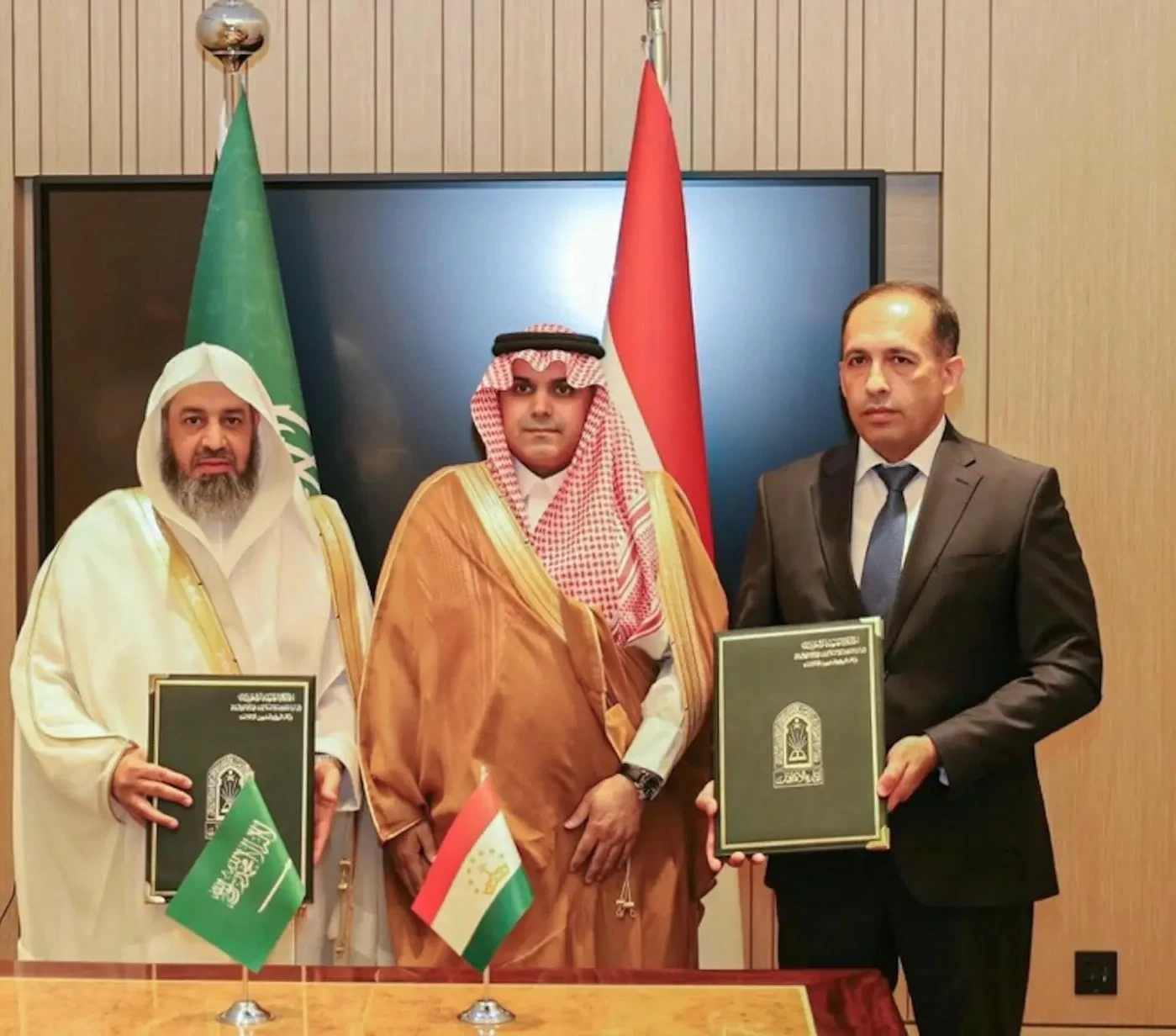
The Ministry of Islamic Affairs has officially signed an executive program with the Tajik Religious Affairs Committee. This collaboration aims to enhance religious and cultural ties between the two entities. The agreement was finalized during a recent meeting in Tajikistan, where officials from both sides gathered to discuss mutual goals and strategies.
This executive program not only strengthens existing relations but also endeavors to promote education in Islamic values and traditions. The signing event marks a significant milestone in the ongoing partnership between the Islamic Republic and Tajikistan’s religious authorities.
Objectives of the Executive Program
The primary objective of this executive program is to facilitate the exchange of knowledge and resources related to Islamic teachings. Furthermore, it aims to develop cooperation in areas such as religious training, cultural programs, and the preservation of Islamic heritage.
Officials highlighted that the initiative is designed to support scholars and educators in their efforts to promote a comprehensive understanding of Islam. This collaboration is particularly essential in today’s global environment, where mutual respect and understanding of different cultures are crucial.
Background of the Cooperation
The relationship between the Ministry of Islamic Affairs and Tajikistan’s religious authorities has been strengthening over recent years. Previous initiatives included various cultural and educational exchanges, which set the stage for this more formal agreement.
According to the officials, such partnerships are vital for fostering a deeper appreciation of Islamic principles, promoting tolerance, and addressing contemporary challenges faced by communities. The ongoing collaboration seeks to enhance the role of religion in society as a tool for peace and harmony.
Looking Ahead: Future Initiatives
As part of the newly signed program, both parties are expected to outline specific projects in the coming months. These initiatives may include educational workshops, conferences, and collaborative research on Islamic jurisprudence.
The Ministry of Islamic Affairs plans to monitor the impact of this executive program, ensuring that it achieves its goals effectively. The collaboration also offers a pathway for further joint ventures, potentially expanding the framework of cooperation beyond religious affairs.
In conclusion, the signing of this executive program signifies a meaningful step towards enhanced collaboration between the Ministry of Islamic Affairs and Tajik religious authorities. As both entities move forward, observers will be keen to see how this partnership develops and what initiatives will emerge to promote Islamic values and cultural exchange.