





Asir municipal secretary visits Tanomah to support fire suppression
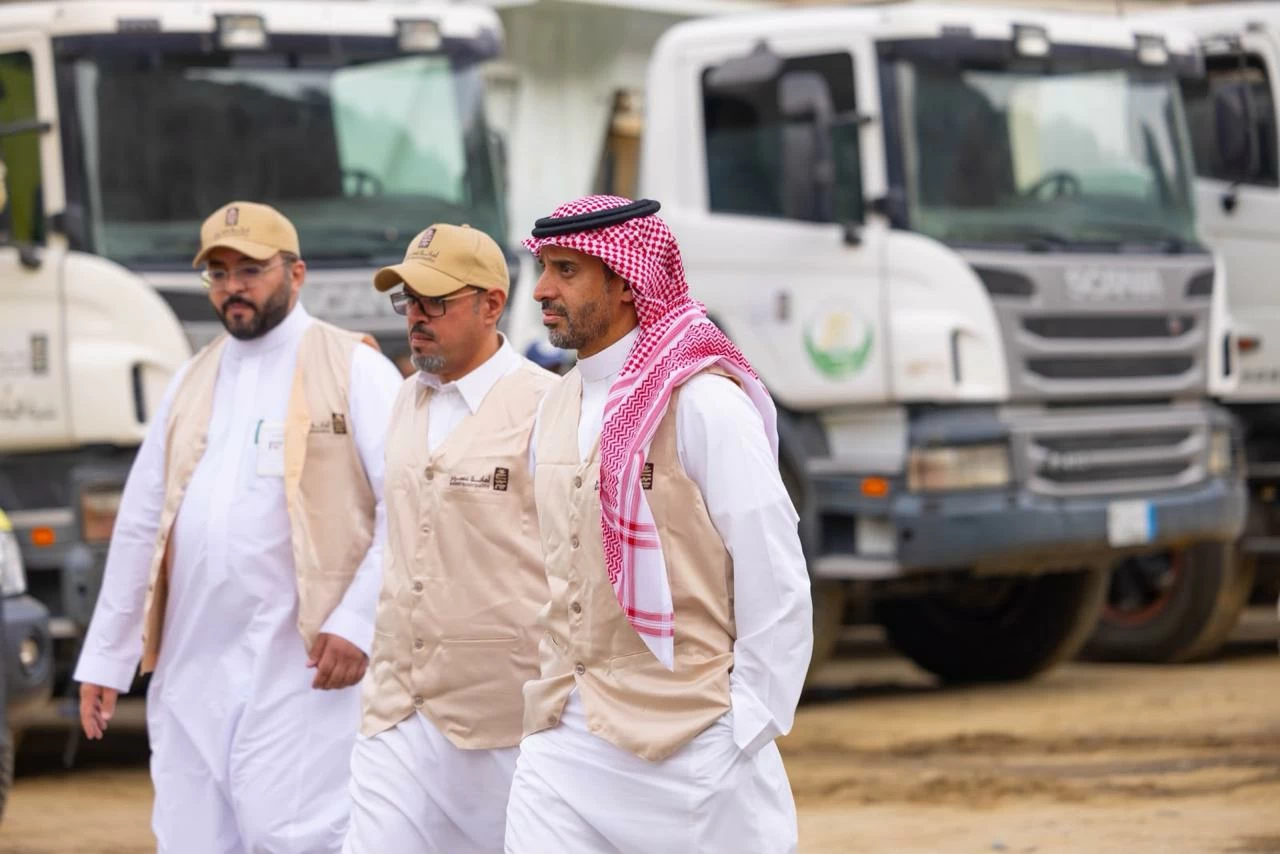
The Asir municipal secretary visited Tanomah on the ground to assess and support ongoing firefighting operations following a large wildfire near populated and forested areas, officials said. The visit, reported 13 hours ago, placed the Asir municipal secretary at the scene to coordinate municipal response, review resource needs and ensure local teams received necessary reinforcement.
Emergency crews from civil defense, forestry units and municipal services have been working to contain the Tanomah fire, and the municipal secretary’s field inspection aimed to streamline logistics and public messaging while reducing risks to residents and infrastructure.
Immediate actions taken during the field visit
During the visit the Asir municipal secretary reviewed tactical deployment of firefighting teams and mobile water tankers, according to municipal statements. Additionally, officials said temporary evacuation routes and safety zones were identified for at-risk communities, and liaison officers were assigned to improve communications among agencies.
Meanwhile, municipal engineering crews prioritized protection of critical infrastructure. Furthermore, coordination with the regional civil defense was emphasized to ensure aerial and ground assets could be positioned effectively for sustained firefighting support.
Main keyword: Asir municipal secretary and unified response
Local authorities said the presence of the Asir municipal secretary reinforced a unified response across municipal, regional and national layers. The role of the Asir municipal secretary in liaising with civil defense, forestry services and volunteer teams was highlighted as central to prioritizing resources and minimizing delays.
In addition, the municipal office set up a command post to monitor weather, fire behavior and resource allocation. Therefore, the Asir municipal secretary’s oversight aimed to align tactical suppression with public safety priorities and ongoing damage assessment.
Why the Tanomah fire required coordinated support
Tanomah’s mix of rugged terrain and dense vegetation can allow fires to spread rapidly, officials noted, which makes early, coordinated intervention crucial. Furthermore, the proximity of some settlements to forested areas raised concerns about rapid escalation and the potential for property damage.
According to civil defense updates, fuel conditions and local weather patterns influenced containment strategies. Therefore, firefighters combined ground crews with aerial observations where possible to create containment lines and protect vulnerable zones.
How firefighting support has been organized
Firefighting support for the Tanomah fire has involved municipal teams, civil defense brigades, and forestry specialists working under a joint incident management approach. The Asir municipal secretary facilitated interagency briefings and prioritized requests for additional resources, officials said.
Volunteer groups and municipal contractors were mobilized to help with logistics, including road clearance and water supply, and the municipal health services were placed on alert to respond to any injuries or smoke-related issues. In contrast to isolated responses, this integrated model seeks to reduce overlap and improve efficiency.
Safety measures and public guidance
Authorities issued guidance for residents in affected areas to follow evacuation notices, avoid nonessential travel near active fire lines and heed instructions from emergency personnel. Additionally, municipal authorities established information points to update residents about road closures and shelter availability.
Communications teams emphasized that accurate, timely information is vital to maintaining calm and facilitating orderly responses. Therefore, officials encouraged residents to consult verified channels and refrain from sharing unconfirmed updates that could hinder response efforts.
Implications for regional preparedness and resource allocation
The field visit by the Asir municipal secretary underscores the need for sustained investment in firefighting capacity and emergency coordination in the Asir region. Officials suggested that lessons from the Tanomah incident may inform future training, equipment procurement and cross-agency drills.
Moreover, the incident highlights the importance of forest management practices and early detection systems in reducing wildfire risk. In response, municipal planners indicated they would review prevention and mitigation measures to better protect communities and natural assets.
What to watch next: recovery and follow-up steps
Authorities said damage assessment teams will work once containment is secured to evaluate the environmental and infrastructure impacts of the Tanomah fire. The Asir municipal secretary is expected to oversee recovery planning and to request further support if assessments indicate extended needs.
Additionally, residents should watch for official updates on containment status, road reopenings and any relief services. The municipal office and civil defense will likely publish further guidance in the coming days as conditions evolve and cleanup begins.
Context and related support efforts
Regional firefighting capacity has been the focus of recent municipal planning, and the Tanomah fire response tested those arrangements under operational conditions. Related keywords such as Tanomah fire, firefighting support and Asir region reflect broader efforts to strengthen preparedness and interagency coordination.
According to officials, ongoing monitoring and after-action reviews will help refine tactics and resource-sharing agreements. Therefore, the incident may prompt targeted investments in equipment, personnel training and early warning technologies across the region.
Forward-looking conclusion
As containment progresses, the Asir municipal secretary will continue to coordinate response and recovery activities and to brief senior officials on emerging needs. Observers should watch for official containment declarations and subsequent assessments that will determine timelines for recovery and prevention initiatives.
In the short term, authorities expect to focus on damage assessment, restoration of services and community support. Meanwhile, longer-term follow-up will likely include measures to bolster firefighting support and reduce wildfire risk in the Asir region.