


Bahrain-Korea cooperation highlighted in meeting between Works Minister and South Korean ambassador
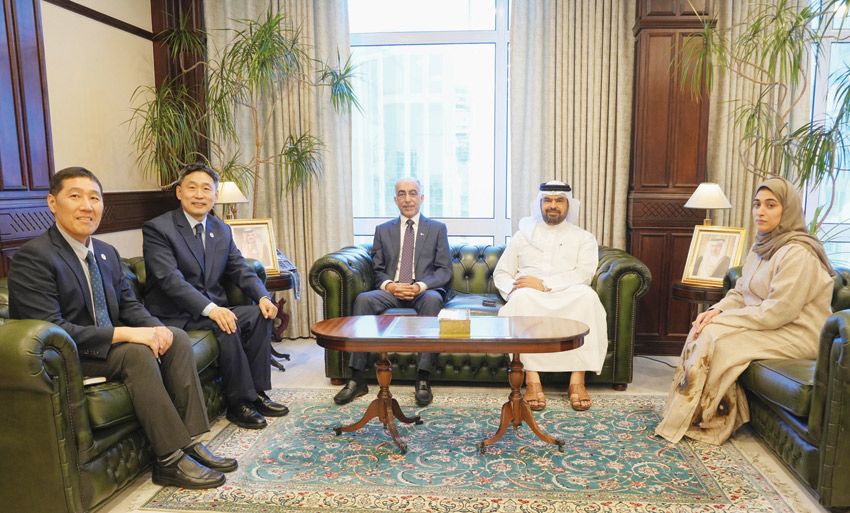
Engineer Ibrahim bin Hassan Al-Hawaj, Bahrain’s Minister of Works, met with Choi Byung-sun, Ambassador of the Republic of Korea to Bahrain, in a meeting the ministry described as aimed at deepening Bahrain-Korea cooperation. The discussion, held in Manama according to an official ministry statement, focused on strengthening collaboration across infrastructure and strategic sectors to serve the shared interests of both countries.
The meeting brought senior officials from both sides together to review existing links and explore further avenues of partnership. Ministry sources said the talks reaffirmed mutual commitment to advancing bilateral ties and enhancing development outcomes for the Bahraini and Korean peoples.
Key topics: infrastructure projects and technical cooperation
During the meeting, Minister Al-Hawaj emphasized the growing development of relations between the two friendly countries, noting opportunities for increased cooperation in infrastructure projects. Officials said the agenda included transport, urban development, and public works, areas where Korean technology and engineering experience can complement Bahraini planning and execution.
Ambassador Choi expressed appreciation for the minister’s focus on strengthening the long-standing relationship and highlighted the importance of pursuing tangible initiatives that move Bahrain-Korea cooperation into new stages. The ambassador’s remarks, as reported by the embassy, stressed continued diplomatic and technical dialogue to identify priority projects.
Mechanisms to advance Bahrain-Korea cooperation
Officials indicated both sides discussed mechanisms to translate political goodwill into practical outcomes, including joint feasibility studies, technical exchanges, and potential memoranda of understanding. These instruments are commonly used to frame collaboration, and ministry statements suggested such steps would help accelerate project pipelines and ensure clear roles for public and private partners.
Furthermore, attendees explored opportunities for capacity building and knowledge transfer in construction standards, project management, and sustainable infrastructure delivery. According to the ministry, these capacity initiatives could help Bahrain meet its development targets while leveraging Korean firms’ experience in large-scale engineering projects.
Economic and strategic implications for bilateral ties
Strengthened Bahrain-Korea cooperation carries both economic and strategic implications. Economically, closer ties can open avenues for trade in goods and services related to construction, engineering consultancy, and advanced materials. Additionally, coordination on infrastructure projects can spur private sector participation and attract foreign direct investment.
Strategically, officials said enhanced collaboration helps diversify Bahrain’s international partnerships and supports Korea’s regional engagement. The meeting underscored how infrastructure and technical cooperation form a practical layer of a broader strategic partnership that includes diplomacy, trade, and cultural exchange.
Private sector role and potential partnerships
Ministry statements noted the private sector will likely play a central role in implementing joint initiatives, with opportunities for Korean contractors and technology providers to partner with Bahraini firms. Therefore, establishing clear procurement frameworks and regulatory alignment was discussed as a priority to facilitate private investment and public-private projects.
Additionally, both sides examined possibilities for collaboration in smart-city solutions, sustainable construction, and digital project management—areas where technology transfer and joint ventures can yield long-term benefits.
Context and background on bilateral relations
Bahrain and the Republic of Korea have maintained diplomatic relations characterized by steady engagement across multiple fields. According to official records and prior statements from both foreign ministries, cooperation in trade, investment, education, and technology has grown over recent years, laying the groundwork for expanded infrastructure collaboration.
The ministry’s description of the recent meeting fits within this broader context, reflecting a shared interest in translating diplomatic ties into results-oriented projects that address national development priorities and mutual economic interests.
What to watch next
Observers should watch for concrete follow-up steps, such as announced feasibility studies, signed memoranda, or joint working groups that move discussions toward implementation. The ministry indicated that technical committees and further diplomatic engagements are likely to be convened to map short- and medium-term priorities.
Furthermore, industry stakeholders and investors will monitor procurement notices and tender processes that could signal the opening of specific infrastructure projects to bilateral participation. Therefore, the coming months could provide clearer signals about the scale and timing of collaborative initiatives.
Conclusion: practical momentum and next steps
The meeting between Minister Ibrahim bin Hassan Al-Hawaj and Ambassador Choi Byung-sun underlined an intent to deepen Bahrain-Korea cooperation through infrastructure projects and strategic collaboration. According to official statements, both parties committed to building on historic ties and exploring practical mechanisms for partnership.
Looking ahead, readers should expect announcements of technical studies, working groups, and potentially formal agreements that will outline project timelines and roles. These next steps will be the key indicators of whether diplomatic momentum translates into measurable infrastructure outcomes and strengthened bilateral ties.