






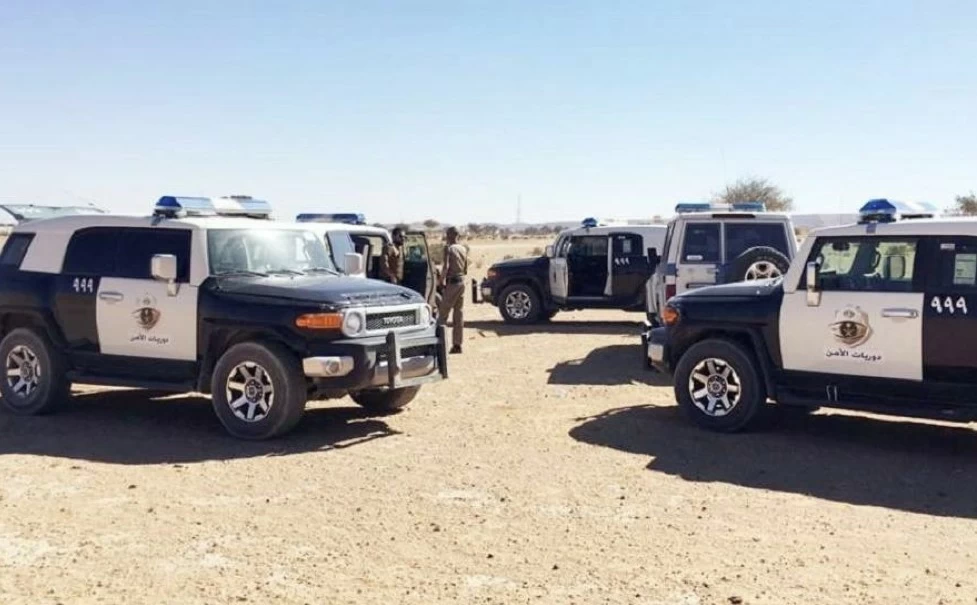

Border security operations result in 14,260 arrests across Saudi Arabia
Saudi Arabia’s recent border security operations led to the arrest of 14,260 violators in a nationwide campaign from Aug. 13 to Aug. 19, 2026, the Ministry of Interior said. The coordinated effort targeted illegal residency, labor violations and breaches of border security, and produced detailed figures on nationality breakdowns and enforcement actions taken during that seven-day period.
Who was detained and where the operations took place
The ministry reported that of the 14,260 people apprehended, 6,900 were in breach of residency rules, 3,982 were detained for violating border security, and 3,378 were cited for labor law infractions. The operations were carried out across all regions of the kingdom, with checkpoints, inspections and border interdictions coordinated between immigration, labor and security authorities, officials said.
Details on attempted crossings and nationality breakdown
Authorities said 1,524 detainees were intercepted while attempting to enter Saudi territory irregularly. Among those intercepted, approximately 36% were Yemeni nationals, 63% were Ethiopian nationals, and the remaining 1% were from other countries. Separately, 38 people were detained for attempting to leave the kingdom through unauthorized channels, the ministry stated.
Criminal networks, harboring and facilitation
Enforcers also uncovered elements of facilitation and concealment. Twenty-four people were arrested for transporting, housing, employing or otherwise concealing individuals who violated residency, labor or border security rules. Officials characterized such conduct as central to migrant smuggling and exploitation networks and said investigations are ongoing to identify wider criminal links.
Legal consequences and penalties under ministry guidelines
The Ministry of Interior reiterated that facilitating entry or movement of people in violation of border rules is treated as a serious offense. According to the ministry, penalties can include up to 15 years in prison, fines as high as one million Saudi riyals, confiscation of vehicles or residences used to harbor violators, and public disclosure of convictions. The ministry emphasized that these offenses are considered major crimes that warrant detention and are viewed as breaches of trust and public safety.
Detention figures, repatriation and procedural actions
At the time of the report, 31,922 migrants were undergoing administrative or legal procedures related to the enforcement drive. That group included 29,961 men and 1,961 women. Authorities said 18,808 individuals had been referred to their diplomatic missions to arrange travel documents, while 5,386 were being processed to finalize travel bookings. The ministry added that 13,724 people were in the pipeline for deportation.
Context: why the campaign was launched and how it was conducted
Officials framed the campaign as part of an ongoing effort to secure borders, combat illegal residency, and enforce labor regulations. Teams from immigration, labor inspection units and border security coordinated field operations, mobile patrols and targeted inspections of workplaces and accommodation sites, the ministry stated. Additionally, data-sharing and intelligence led to targeted arrests of facilitators and employers who allegedly exploited irregular migrants.
Impact on employers and local communities
Labor violations accounted for a substantial portion of arrests, signaling intensified scrutiny of employers who hire undocumented workers. Authorities warned that businesses and individuals found to be employing or harboring undocumented workers face criminal and administrative sanctions. Meanwhile, the ministry affirmed that enforcement aims to protect legal workers and public safety while disrupting networks involved in migrant smuggling and exploitation.
Operational challenges and humanitarian considerations
Officials acknowledged the operational complexity of large-scale enforcement, including accurately identifying vulnerable individuals and coordinating repatriation with foreign missions. Humanitarian concerns—such as ensuring access to medical care, safeguarding minors and screening victims of trafficking—remain part of procedural safeguards during enforcement, the report indicates.
What this means for migrants and policy trends
Observers say the campaign is consistent with recent policy trends emphasizing stricter border controls and enforcement of residency and labor laws. Authorities suggest these measures are intended to deter irregular migration and reduce exploitation. However, human rights groups and some international partners typically call for parallel measures that address root causes, protection needs and regular pathways for migrant labor.
What to watch next
Readers should monitor follow-up announcements from the Ministry of Interior for updates on prosecutions, repatriation schedules and any additional operations. Officials said investigations into the facilitators and employer networks remain active and that further enforcement actions could be announced as cases are developed. Meanwhile, diplomatic missions involved in issuing travel documents are expected to continue processing large numbers of return cases over the coming weeks.
Conclusion and next steps
The weeklong border security operations produced thousands of arrests and highlighted the government’s emphasis on enforcing residency and labor laws while disrupting facilitation networks. According to the ministry, the next steps include legal proceedings against alleged facilitators, completion of repatriation arrangements, and continued interagency operations. Stakeholders and observers should watch for formal case outcomes and any policy shifts that may affect migration channels and labor recruitment practices.