






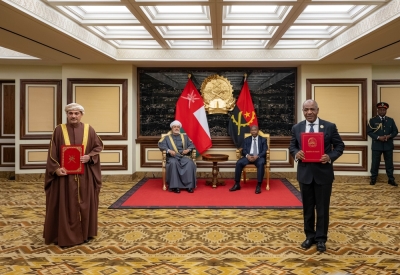

Oman and Angola Sign Agreements to Strengthen Economic Ties
Oman and Angola have officially signed a series of agreements and memorandums of understanding aimed at enhancing cooperation and partnership between the two countries. This historic move comes during a visit by His Majesty Sultan Haitham bin Tariq to Angola, marking a significant step towards broadening the fields of collaboration in political, economic, and investment sectors.
Officials have expressed that these agreements reflect a shared commitment to expanding cooperation and reinforce bilateral relations. According to Oman’s Minister of Foreign Affairs, Sayyid Badr bin Hamad Al Busaidi, the agreements show both countries’ readiness to foster a partnership that aligns with their developmental priorities, opening broader pathways for economic collaboration and experience sharing.
Key Areas of Cooperation Outlined
The signed agreements establish a structural foundation for developing cooperative initiatives and fostering joint projects that leverage the resources and potential of both nations. The agreements aim to benefit the two friendly peoples by enhancing business opportunities and economic interests between Oman and Angola.
The Foreign Minister emphasized the diversity in cooperation areas, underscoring the opportunity for integration between the countries, whether in boosting production sectors, improving infrastructure services, or in capability development and knowledge exchange. There is a strong call for diligent monitoring to ensure that these agreements translate into tangible results.
Furthermore, the visit is expected to inject new energy into Oman’s relations with Angola, demonstrating Oman’s commitment to strengthening partnerships with friendly African nations based on mutual respect and shared interests.
Investment and Economic Collaboration Frameworks
Anwar bin Hilal Al Jabri, Oman’s Minister of Commerce, Industry, and Investment Promotion, stated that the Sultan’s visit to both Botswana and Angola heralds a new phase in economic partnership with Africa. This aligns with Oman’s strategy to broaden its international partnerships and unveil new markets for Omani products and investments, thereby attracting quality investments to achieve economic diversification goals.
According to Al Jabri, the memorandums of understanding signed during the visit mark a collective determination to elevate economic ties, turning available opportunities into concrete partnerships and investment projects with significant involvement from the private sector. He highlighted that specific memoranda focus on sectors such as industry, agriculture, food security, logistics, tourism, and technology.
Importance of Institutional Partnerships
Oman’s Ambassador to Angola, Abdullah bin Nasser Al Rahbi, shared that the signed agreements signify a pivotal moment in the relationship between the two nations, reflecting a transition from initial explorations of cooperation to establishing practical frameworks. The diverse nature of these agreements illustrates a comprehensive perspective towards the future of Omani-Angolan relations.
Al Rahbi emphasized that political and diplomatic collaboration lays the groundwork for fostering an environment conducive to capital movement and trade exchange. The agreements also aim to tackle logistical challenges and create a favorable atmosphere for long-term partnerships.
The Ambassador pointed out that the agreements expand the room for private sector engagement, facilitating a broad exploration of opportunities that involve governmental institutions, financial sectors, and private enterprises. This multi-faceted approach ensures a strengthened interlinking of different cooperation areas.
Future Prospects and Strategic Partnerships
The agreements and memorandums outlined are seen as a concrete step towards transitioning Omani-Angolan relations from diplomatic engagement to a more extensive economic and developmental partnership. The significant emphasis placed on follow-up actions underlines the intention to move from agreements to actionable projects that promote mutual interests.
Officials expressed optimism regarding the potential for upcoming projects in various sectors, recognizing opportunities in energy, agriculture, logistics, and other crucial sectors. The strong historical ties between Oman and Africa recur as a foundation for achieving seamless collaboration.
The Minister of Commerce and Industry reaffirmed that the upcoming phase will warrant a focus on effectively linking the private sector in both nations with available prospects, encouraging greater interaction among business leaders, and pinpointing actionable projects for implementation.
In conclusion, as Oman and Angola embark on this renewed partnership marked by recent agreements, stakeholders should anticipate further developments in bilateral trade and investment initiatives. The initial agreements are merely a starting point, with expectations for actionable results in the near future, indicative of a growing mutual commitment to economic prosperity for both nations.