






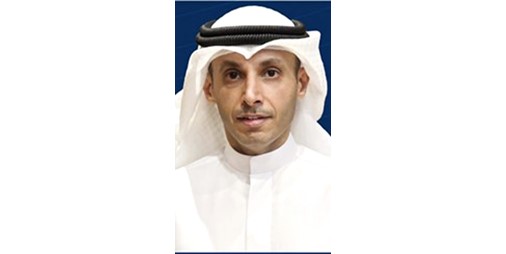

Implementation of Pathways System in Secondary Education
The Assistant Undersecretary for Educational Affairs at the Ministry of Education, Hamed Alhamad, announced the upcoming introduction of a new pathways system in secondary education, set to begin in the 2026/2027 academic year. This initiative aims to modernize educational practices and facilitate a smoother transition for students entering university.
According to Alhamad, the new system will allow students to take advantage of summer courses, enabling them to complete graduation requirements more swiftly, potentially within two and a half years.
Revamping the Pathways System
The pathways system, which has existed in some form previously, is undergoing a thorough redesign to meet current educational demands. The new version will feature eight distinct pathways, providing broader choices for students in both scientific and literary fields. Notably, new pathways in technology and artificial intelligence, as well as law, are being introduced—diversifying educational options in line with student interests and the needs of the job market.
Alhamad explained that one of the primary objectives of the pathways system is to adequately prepare students for university, thereby reducing the gap students might feel when transitioning from general education to higher education. The Ministry aims to ensure that this transition becomes a natural part of the educational progression.
Flexibility and Personalization in Education
The pathways system is intended to be optional, allowing students greater flexibility in selecting subjects and the pathway aligned with their interests and abilities. This personal choice is expected to enhance student engagement and academic success.
Furthermore, the new system includes improvements in assessment and academic guidance, designed to assist students in identifying their interests and academic directions. This guidance will help them select university majors that align with their skills, talents, and interests, moving away from decisions that lack proper contexts or connections to their actual preferences.
Preparedness for Implementation
As the Ministry gears up for the rollout of the pathways system in the new academic year, several measures have been taken to ensure readiness. Alhamad highlighted that the ministry has been working diligently to prepare the essential requirements for system implementation, including enhancing the educational infrastructure.
The Administration of Guidance has been instrumental in creating the necessary curricula and preparing schools to welcome students under this new structure. Alhamad affirmed that the collaboration of various sectors within the ministry has been crucial, leading to the successful readiness of the program within a short timeframe.
Future Outlook for Secondary Education in Kuwait
The launch of the new pathways system represents a significant shift in the educational landscape in Kuwait. As students begin to engage with this system, stakeholders will closely monitor its impact on educational outcomes, particularly in terms of how well it fulfills its objectives of preparing students for higher education and the workforce.
Moving forward, the Ministry of Education will continue to assess the effectiveness of the pathways system, making adjustments as necessary to meet the evolving needs of students and society. As this program unfolds, it will be crucial for educators, students, and parents to stay informed about developments and opportunities provided by this innovative approach to secondary education.