







Kuwait Poison Control Center’s Expanding Role
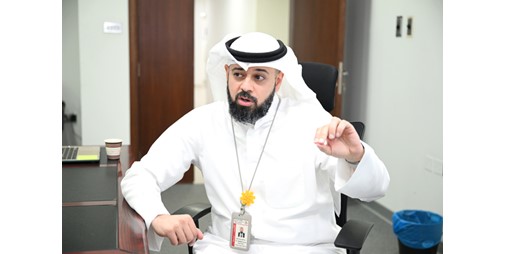
The Kuwait Poison Control Center has established itself as a crucial component in Kuwait’s healthcare system, evolving from a foundational phase to a fully operational entity providing around-the-clock service. Under the leadership of Dr. Abdulatif Al-Oumi, the center offers thousands of consultations annually, significantly aiding hospitals and emergency medical professionals in managing complex poisoning cases.
Dr. Al-Oumi emphasized that the center’s duties extend beyond merely fielding telephone inquiries. The center evaluates the severity of exposure to toxic substances, recommends laboratory tests, and provides treatment options, including antidotes and supportive care. In complex cases, the center may deploy a team to hospitals for direct collaboration with medical staff.
Understanding Different Types of Poisoning Cases
The center addresses a variety of poisoning incidents, notably those involving pharmaceuticals, household chemicals, industrial substances, gases, pesticides, and consumer products. Dr. Al-Oumi pointed out that with the advent of new products and the rise of online purchasing, the patterns of poisoning continue to change, necessitating comprehensive toxicological surveillance as part of the center’s responsibilities.
Notably, many cases arise from accidental overdoses or misuse of medications, particularly among children, which adds layers of complexity to the treatment process. The center places significant focus on the timely assessment and clinical management of these incidents to provide immediate support for medical teams.
Collaboration and Emergency Preparedness
The work of the Kuwait Poison Control Center is not an isolated effort; it involves collaboration across various health and safety agencies. Teams from the center routinely coordinate with emergency departments, ICU staff, and government bodies, including the Ministry of Interior and Civil Defense. This integrated approach ensures a rapid response to both isolated poisoning cases and larger chemical emergencies, such as mass poisoning incidents.
Dr. Al-Oumi highlighted the need for a cohesive emergency response mechanism, stressing that real-time information sharing between relevant authorities is essential for effective management of toxicological events. Such measures bolster not only individual case management but also broader public health initiatives.
The Future of Toxicological Surveillance in Kuwait
Moving forward, one of the main priorities for the Kuwait Poison Control Center is to develop a comprehensive national toxicology surveillance system. This system will be instrumental in identifying trends and potential public health threats stemming from poisoning incidents. Furthermore, the center aims to enhance its clinical readiness through specialized training and the continuous review of medication antitoxins based on emerging healthcare needs.
Additionally, the center is working towards its accreditation as a collaborating center with the World Health Organization, highlighting its commitment to meet international standards and contribute to global toxicology advancements.
The integration of data from poisoning consultations will facilitate a deeper understanding of poisoning patterns in the local context. This data can guide preventive strategies and inform health policy decisions, ensuring a proactive approach to managing poisonings in the community.
Conclusion
The Kuwait Poison Control Center stands at the forefront of not only managing poisoning cases but also shaping the future landscape of toxicological healthcare in the region. By establishing robust collaborative frameworks and enhancing clinical preparedness, the center is poised to significantly impact public health in Kuwait. Observers can expect ongoing developments in toxicological data systems and an increase in community awareness regarding poison prevention and treatment in the coming years.