






Saudi Hajj services praised by Kuwaiti official during Eid al-Adha visit
Sheikh Fahad Al-Yousef, Kuwait’s First Deputy Prime Minister and Minister of Interior, conveyed warm greetings and Eid al-Adha wishes to King Salman and Crown Prince Mohammed bin Salman while praising Saudi Hajj services for their high level of readiness and support for pilgrims. The remarks came during an official reception hosted by the Saudi Crown Prince in Mina and in meetings held in Mecca following the completion of the Hajj rites, the Kuwaiti Ministry of Interior stated.
Kuwaiti delegation conveys greetings and underscores bilateral ties
According to a ministry press release, Sheikh Fahad expressed the greetings of Kuwait’s Emir and Crown Prince to the Saudi leadership and the Saudi people, wishing the Kingdom continued security, stability and prosperity. The exchange took place in the presence of senior Saudi officials, military and security chiefs involved in the Hajj operation, and visiting dignitaries from the Gulf Cooperation Council.
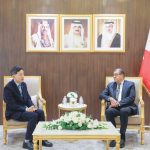
Furthermore, Sheikh Fahad met with Saudi Interior Minister Prince Abdulaziz bin Saud, who also chairs the Kingdom’s Higher Hajj Committee. The two ministers reviewed areas of common interest and ongoing security coordination between Kuwait and Saudi Arabia, the statement said. Meanwhile, officials underscored the depth of brotherly relations and the importance of practical cooperation during major religious events.
Integrated services and modern technologies supporting pilgrims
The Kuwaiti minister commended what he described as precise organization and comprehensive preparedness by Saudi authorities, noting that a wide range of integrated services and modern technologies contributed to a safe and smooth performance of the pilgrimage. Saudi Hajj services were credited with enabling pilgrims to complete rituals with dignity and reassurance, according to the ministry.
Officials highlighted that logistics, medical care, crowd management systems and communication networks were among the capabilities deployed to manage the complex flow of pilgrims. Additionally, the deployment of advanced tools and procedures reportedly allowed authorities to monitor key sites and respond quickly to operational needs, which in turn promoted pilgrims’ welfare throughout the season.
Operational coordination and field recognition
During on-site meetings, Kuwaiti and Saudi security delegations reviewed protocols and practical coordination mechanisms that were used during the Hajj season. The discussions focused on maintaining safety, ensuring access to essential services and sharing lessons learned for future seasons. According to the press statement, both sides reaffirmed their commitment to ongoing collaboration.
Inspection of Kuwaiti campaign sites in Mina
Sheikh Fahad also visited the Kuwaiti campaign sites in Mina to inspect accommodations and service arrangements for Kuwaiti pilgrims. He met with pilgrims, listened to their observations and examined the levels of comfort and support provided by the delegation. The ministry said the visit reflected Kuwait’s leadership directives to closely monitor pilgrims’ conditions and safeguard their welfare.
During the inspection, representatives from the company responsible for constructing the Kuwaiti Hajj mission headquarters briefed the minister on construction progress, infrastructure readiness and site services. Therefore, Kuwaitis were given an opportunity to verify that logistics and facilities met expected standards for rest, health services and movement between ritual sites.
Saudi Hajj services highlighted as model of readiness
The Kuwaiti minister’s appraisal reiterated that Saudi Hajj services demonstrated high readiness and considerable capability dedicated to serving guests of the Two Holy Mosques. According to the ministry, the Kingdom’s investments in capacity, infrastructure and coordinated operations were central to enabling pilgrims to perform rites with safety and ease.
Additionally, the visit underscored the role of bilateral security arrangements and shared planning in mitigating risks during large-scale religious gatherings. Officials from both countries emphasized the importance of adhering to established procedures, improving emergency response capacity and refining crowd management systems ahead of future Hajj seasons.
Implications for regional cooperation and pilgrims’ welfare
Observers say the exchange between Kuwaiti and Saudi officials reflects a broader regional practice of operational cooperation around Hajj logistics and public security. The mutual recognition of best practices and joint problem-solving during the pilgrimage can strengthen preparedness in subsequent years. Furthermore, ensuring robust channels of communication between ministries of interior and Hajj committees remains central to protecting pilgrims’ welfare.
Moreover, the focus on integrated services and digital-enabled monitoring suggests continued modernization of Hajj management. Therefore, stakeholders are likely to prioritize technology-driven solutions, medical readiness and targeted infrastructure upgrades to support growing pilgrim flows while preserving safety.
What to watch next
Looking ahead, readers should monitor official statements from the Saudi Ministry of Interior and participating countries regarding post-season evaluations and agreed improvements. Next steps are expected to include after-action reviews, plans for infrastructure refinement and continued coordination among Gulf states to streamline Hajj operations.
In the coming months, updates on formal bilateral arrangements and technical exchanges between Kuwait and Saudi Arabia will indicate how lessons from this season inform preparations for future pilgrimages. Meanwhile, authorities in both countries will likely maintain a focus on enhancing pilgrims’ welfare and sustaining high standards of safety and service.