







Mazarah Street upgrade directed by Deputy Prime Minister
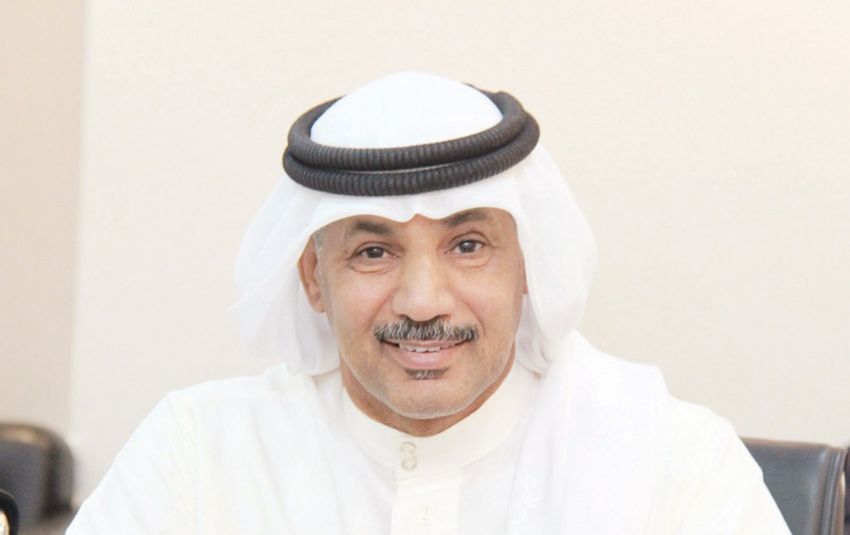
Mohammed Saad Al-Dosari, a member of the Northern Municipal Council, praised Deputy Prime Minister Sheikh Khalid bin Abdullah Al Khalifa for his directive to study the widening and safety upgrades of Mazarah Street. The instruction, issued through the ministerial committee for development projects and infrastructure, tasks the Ministry of Works with measures to enhance traffic safety and to assess expansion options for the road in Al Jasra. Local officials say the move responds to long-standing community concerns over congestion and accidents.
What the directive covers and where it applies
The ministerial committee asked the Ministry of Works to take what is necessary to improve safety on Mazarah Street and to study widening the road to two lanes between residential clusters 1001, 1003 and 1004. According to municipal statements, the proposal targets the busy stretch in the Al Jasra area where repeated congestion and collisions have been reported. Officials indicated the study should align short-term safety fixes with longer-term capacity upgrades to match the area’s urban growth.
Mazarah Street: local demands and safety concerns
Residents and council members had raised concerns about recurring traffic jams and accidents on Mazarah Street during council sessions, according to council records. Mohammed Saad Al-Dosari said the directive reflects community demands that were formally submitted through the municipal council. Furthermore, the council proposal cited high traffic density, collision frequency and the need for improved traffic safety as main reasons for recommending expansion.
Ministry of Works role and expected actions
The Ministry of Works has been asked to evaluate engineering options, safety interventions and the feasibility of widening Mazarah Street to two lanes in key segments. The ministry is expected to assess road geometry, signage, pedestrian crossings and drainage as part of any proposed upgrade, officials said. Additionally, interim measures such as temporary traffic management, speed controls or signage improvements may be recommended to reduce immediate risks while the study proceeds.
Coordination with municipal and planning authorities
Coordination between the Ministry of Works, the Northern Municipal Council and the ministerial committee for development projects will be important to align design options with local needs. The municipal council has already flagged specific pinch points and suggested priorities based on residents’ reports. In turn, the ministry’s technical assessment will need to consider future urban development patterns in Al Jasra to ensure new works remain effective over time.
Mazarah Street and wider transport planning implications
Expanding Mazarah Street could relieve pressure on adjacent local roads and improve overall traffic flow in the sector, planners say. Improved traffic safety measures would also be likely to lower the incidence of collisions and enhance pedestrian protection in residential zones. Furthermore, aligning the upgrade with broader infrastructure planning can support continued urban development while maintaining mobility and safety standards.
Balancing capacity improvements with safety measures
Municipal sources emphasized that widening Mazarah Street is only one component of a wider strategy to boost traffic safety and mobility. A balanced approach typically combines capacity increases with targeted safety interventions such as clearer lane markings, signal timing adjustments, pedestrian islands and better lighting. Therefore, the ministry’s study is expected to recommend a mix of infrastructure and operational measures rather than relying solely on roadway expansion.
Community impact and stakeholder views
Residents of Al Jasra and nearby compounds have reported frequent congestion and have pressed for solutions through municipal channels, according to council statements. Business owners and daily commuters may benefit from reduced travel times and safer crossings if the proposals proceed. Meanwhile, planners will need to consult local stakeholders to manage potential disruptions during construction and to ensure design choices reflect community priorities.
Funding, phasing and expected timeline
The ministerial committee’s referral to the Ministry of Works initiates a technical and feasibility phase, which typically precedes budgeting and detailed design. Officials have not released a public timeline or funding commitment at this stage, but the study is a necessary step before any procurement or construction work can begin. Observers say that phased implementation is common: initial safety improvements may be rolled out quickly, followed by larger widening works as funding and approvals become available.
Regional development context and planning
Al Jasra’s urban growth and rising traffic demand underline the need for integrated transport planning in the Northern Governorate. Upgrades to Mazarah Street should be considered alongside public transport options, parking management and land-use planning to maximize long-term benefits. The ministry’s recommendations are therefore likely to be assessed in the context of broader development plans for the area.
Conclusion and what to watch next
The ministerial directive to study safety enhancements and possible widening of Mazarah Street reflects a coordinated response to municipal appeals and resident concerns. Readers should watch for the Ministry of Works’ technical report, which will outline recommended interventions, potential costs and a proposed phasing plan. Next steps will include stakeholder consultations, design approvals and budgeting decisions that will determine when physical works and interim safety measures begin.