




The Cultural Legacy of Ali Abdullah Khalifa
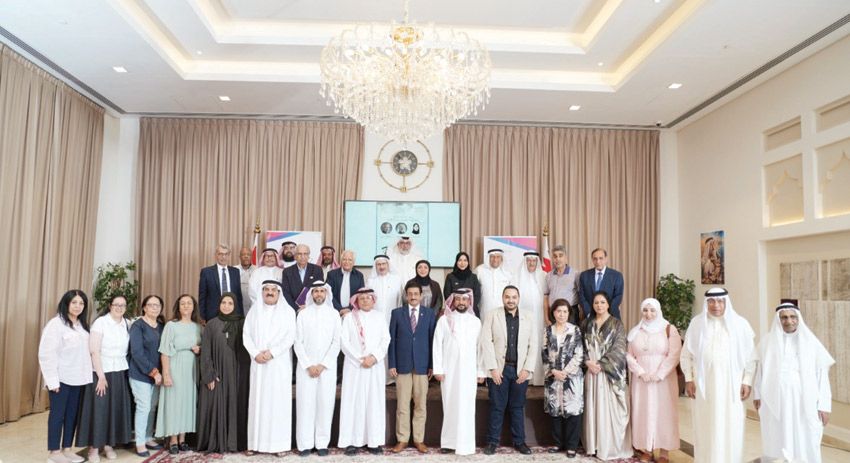
Ali Abdullah Khalifa, the renowned poet and writer, had a profound influence on the cultural landscape of Bahrain. Recognized not only for his literary works, Khalifa actively contributed to establishing platforms for cultural dialogue and preservation. On September 8, 2026, the Abdul Rahman Kanoo Cultural Center hosted a symposium titled “Ali Abdullah Khalifa: Cultural Initiatives and Heritage Preservation,” emphasizing his impact on both literary and cultural environments.
The event featured discussions led by prominent cultural figures, including Abdul Qader Aqeel, Dr. Hassan Madaan, and Dr. Diya Al-Kaabi, highlighting various facets of Khalifa’s contributions. The panel explored Khalifa’s multi-dimensional approach that reached beyond poetry and literature into cultivating an enriched cultural landscape in Bahrain.
Khalifa’s Role in Cultural Initiatives
Abdul Qader Aqeel presented an analysis of Khalifa’s role in creating cultural platforms. He emphasized that Khalifa recognized early on the necessity for poets, writers, and researchers to have a forum for discussing their work. This realization manifested in numerous projects that enabled creators to engage with the public while preserving Bahraini heritage. Aqeel noted that Khalifa’s endeavors were geared towards establishing creative spaces that nurtured artistic growth.
Among the most notable initiatives was the founding of “Kitaabat” magazine in 1976 and “Al-Ma’thourat Al-Sha’abiyya” in 1984. Aqeel highlighted how these publications marked the beginning of a cultural movement in Bahrain. They reflected Khalifa’s dedication to enriching national literature by providing a stage for emerging voices and established authors alike.
Significant Contributions in Heritage Preservation
Dr. Hassan Madaan spoke about Khalifa’s initiatives, particularly focusing on the “Bahrain Book Forum,” which he chaired since its inception. Established in 2017 under the auspices of the Isa Cultural Center, the forum became a vital hub for literary activities, fostering a community of critical reading and intellectual discourse. Madaan noted that the forum had conducted around 22 cultural meetings, which Khalifa participated in actively, thereby championing a culture of analysis and dialogue in literature.
Furthermore, Khalifa was instrumental in shaping the “National Strategy for Youth” in Bahrain. Serving as chair of the cultural committee, he collaborated with various cultural leaders to integrate a vision that emphasized the importance of culture in youth development. This strategic involvement underscored his belief in the necessity of guiding the younger generation to appreciate and engage with their cultural heritage.
Support for Bahraini Folk Narratives
Dr. Diya Al-Kaabi illuminated Khalifa’s pivotal role in the “Bahraini Folk Tales: A Thousand Stories” project. This initiative, in partnership with the University of Bahrain and the International Organisation of Folk Art, aimed to collect and document the rich tapestry of Bahraini folklore. Khalifa supported this venture from its early stages, ensuring a collaborative effort involving over a hundred students in collecting stories to preserve the cultural memory of Bahrain.
Al-Kaabi shared that this decade-long project resulted in five volumes, amassing around 2,500 pages of content, which signified Khalifa’s commitment to preserving cultural narratives. Through Khalifa’s efforts, the project shed light on the authenticity and vibrancy of Bahraini cultural heritage, reinforcing the importance of storytelling within the community.
Conclusion: Reflecting on Khalifa’s Enduring Influence
Ali Abdullah Khalifa’s legacy extends beyond his literary achievements to encompass a broader cultural mission aimed at heritage preservation and cultural enrichment in Bahrain. The discussions at the Abdul Rahman Kanoo Cultural Center illuminated the different dimensions of Khalifa’s influence. As the cultural community reflects on his contributions, there is a collective anticipation for continued dialogue on preserving Bahraini heritage and the role of literature in shaping societal values. The next expected step involves nurturing the new generation of writers and thinkers to carry forward Khalifa’s vision of a vibrant cultural ecosystem in Bahrain.