




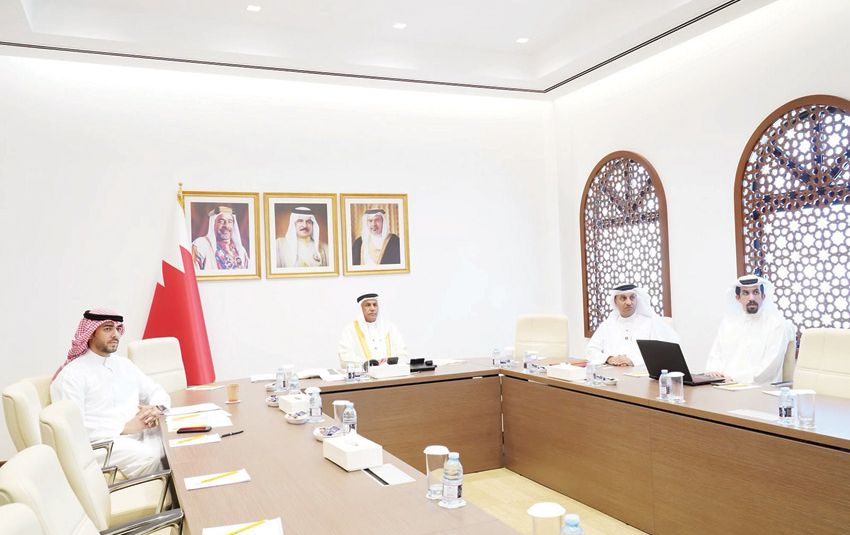

Bahrain diplomatic efforts took center stage this week as Deputy Speaker Ahmed Abdulwahid Qarata led a parliamentary delegation to the 17th meeting of the ASEAN Inter-Parliamentary Assembly (AIPA) via videoconference. Qarata outlined Bahrain’s commitment to peaceful diplomacy and multilateral cooperation, while condemning recent hostile actions that have targeted Gulf infrastructure and maritime routes. The briefing stressed regional security and support for Palestinian statehood.
Bahrain diplomatic efforts reaffirmed at AIPA meeting
Deputy Speaker Ahmed Abdulwahid Qarata, head of the Bahraini parliamentary delegation, told delegates that Bahrain under His Majesty King Hamad bin Isa Al Khalifa and Crown Prince Salman bin Hamad Al Khalifa has consistently promoted dialogue and diplomatic solutions, according to official statements. Qarata said the delegation participated in the AIPA session titled “The Role of Parliaments in Reinforcing ASEAN Centrality in Addressing Complex Global Challenges.”
Furthermore, Qarata highlighted Bahrain’s recent activities at the United Nations, including the kingdom’s presidency of the UN Security Council in April and its non-permanent membership for the 2026–2027 term, as evidence of sustained engagement in international peacemaking and conflict resolution.
Concerns over Iranian attacks and GCC security
Qarata cautioned that the systematic attacks attributed to Iran against Bahrain, Gulf Cooperation Council states and the Hashemite Kingdom of Jordan have deliberately targeted critical infrastructure and essential facilities, creating a direct threat to regional stability, the MP said. He warned that continued strikes affecting commercial shipping in the Strait of Hormuz undermine international norms and endanger global commerce.
These remarks align with broader Gulf concerns about escalation and the need to reinforce GCC security through coordinated diplomatic and parliamentary channels. Officials and regional analysts noted that sustained multilateral responses will be necessary to deter further attacks while preserving avenues for de-escalation.
Parliamentary diplomacy and multilateral coordination
Qarata emphasized that global challenges require collective parliamentary action built on dialogue, mutual understanding and exchange of expertise. He framed parliamentary diplomacy as a complement to state-level negotiations, saying that coordinated parliamentary positions can strengthen diplomatic initiatives and support negotiated solutions.
Participation in forums such as AIPA and other interparliamentary platforms enables lawmakers to build consensus on shared threats, including maritime security, environmental risks and economic resilience. Therefore, Bahrain seeks to expand parliamentary cooperation with regional and international partners to align legislative efforts with foreign policy goals.
ASEAN centrality and parliamentary bridges
The AIPA meeting underscored ASEAN centrality in addressing complex global issues, and Bahraini delegates highlighted the importance of parliamentary bridges between the Gulf and Southeast Asia. Qarata described this outreach as part of Bahrain’s broader strategy to engage regional partners in coordinated responses to security, humanitarian and development challenges.
Support for Palestinian rights and regional peace
Qarata reiterated Bahrain’s longstanding support for the legitimate rights of the Palestinian people, including their right to self-determination and to an independent state on the borders of June 4, 1967, with East Jerusalem as its capital, referencing the Arab Peace Initiative and relevant international resolutions. He said this stance is central to Bahrain’s diplomatic agenda and consistent with efforts to achieve a comprehensive and just peace in the region.
This position is likely to remain a focal point of Bahrain’s multilateral outreach as the kingdom balances immediate security concerns with long-term diplomatic objectives aimed at regional reconciliation and sustainable development.
Implications for regional security and diplomacy
Analysts say Bahrain diplomatic efforts and its parliamentary engagement at AIPA demonstrate a dual-track approach: condemning destabilizing actions while promoting multilateral dialogue and legal frameworks. This approach seeks to uphold international law, protect maritime commerce and preserve the norms that underpin regional security.
At the same time, Bahrain’s emphasis on parliamentary diplomacy signals an intent to harness legislative influence in shaping cohesive regional policies on security, environmental protection and sustainable development. Such coordination could strengthen collective deterrence while keeping diplomatic channels open.
What to watch next
Observers should monitor Bahrain’s role in the UN Security Council during its upcoming non-permanent membership and follow subsequent parliamentary exchanges stemming from AIPA discussions. Additionally, developments in maritime security in the Strait of Hormuz and any diplomatic initiatives addressing alleged Iranian attacks will be key indicators of whether multilateral mechanisms can reduce tensions.
Finally, watch for legislative initiatives or joint parliamentary statements that may emerge from Gulf-ASEAN cooperation, as these could shape regional policy coordination on security, climate resilience and economic recovery in the coming months.