





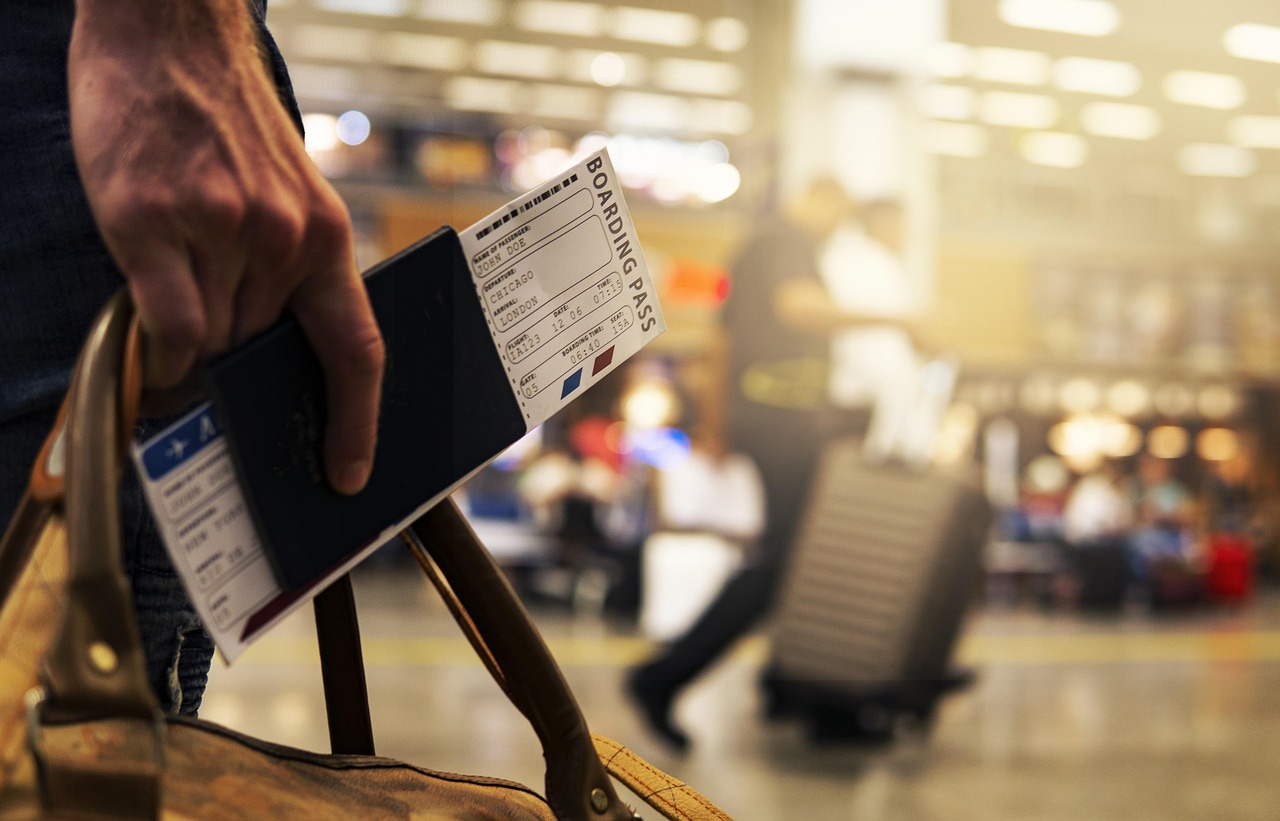

Before you book a flight or pack your bags, make sure you have the Essential Travel Documents You Need Before International Travel. At minimum you’ll need a valid passport, any required visas or travel authorizations, proof of onward travel, and documentation for health and insurance. Preparing these documents ahead of time prevents last-minute delays at airports like JFK, LHR, DXB or when passing through border control in popular destinations such as Spain, Thailand, or the United Arab Emirates.
Travel document requirements vary by country and airline, so check official government sites, the embassy or consulate of your destination, and your carrier’s policies before departure. Keep printed and digital copies, and organize originals in a travel wallet or secure pouch to streamline check-in, immigration, and hotel registration at chains like Hilton or Marriott.
Quick Answer
Essential Travel Documents You Need Before International Travel are: a valid passport, any required visas or electronic travel authorizations, travel insurance and health documentation, proof of accommodation and return/onward travel, and payment methods plus emergency contacts. Confirm country-specific entry rules with the destination’s embassy or airline before you go.
Key Takeaways
- Always travel with a passport valid for the period required by the destination country.
- Check visa and entry requirements early—apply for visas or e-visas well before departure.
- Carry travel insurance and any medical documents; verify coverage for medical evacuation when needed.
- Keep both printed and digital copies; store originals securely while traveling.
- Confirm airline, airport, and hotel check-in policies to avoid last-minute surprises.
Essential Travel Documents You Need Before International Travel: Complete Checklist
Below is a practical checklist you can use when packing your documents. Keep originals in your carry-on and store copies in a cloud service and on a USB drive.
| Document | Why you need it |
|---|---|
| Passport (valid) | Primary ID for border control and airline check-in. |
| Visa or entry authorization | Required by many countries; some use e-visas or systems like ESTA. |
| Return or onward ticket | Immigration often asks proof you won’t overstay; low-cost carriers may require it. |
| Travel insurance policy | Proof of coverage for medical emergencies and trip interruption. |
| Vaccination or health certificates | Some countries require proof for certain vaccines; rules change—check official guidance. |
| Hotel or rental confirmations | Required for immigration or to speed up check-in at hotels and apartments. |
| Driver’s license & International Driving Permit (IDP) | Needed if you plan to rent a car abroad. |
| Credit cards, cash, bank contact | Payment options and quick access to your bank if a card is blocked. |
| Emergency contacts & embassy info | Consulate contact details for assistance from your home country abroad. |
Passport: The Core Document
What to check on your passport
Confirm the expiration date and the number of blank pages required by your destination. Some countries expect passports to be valid for six months beyond your arrival; others have different rules. Renew early if there’s any doubt.
Biometric passports and processing
Many airports use biometric gates that read e-passports. If your passport has a chip or is biometric, you’ll often move faster through immigration at major hubs like Amsterdam Schiphol or Singapore Changi.
Visas and Entry Permissions
Do you need a visa?
Check the embassy or consulate website for the country you’re visiting. Some nations offer e-visas or visas-on-arrival, while others require in-person applications. Airlines also enforce entry rules—carriers like Emirates or Delta may deny boarding if paperwork is incomplete.
Common visa mistakes to avoid
Applying too late, choosing the wrong visa class, or relying on outdated visa information are common errors. If your trip includes multiple countries—such as a Schengen area visit versus the UK—verify the specific entry rules for each nation.
Health, Vaccinations, and Travel Insurance
Health documents
Some countries ask for vaccination certificates or negative test results. Rules change frequently, so check official public health and embassy pages before travel. Keep a printed copy of any certificates and a digital screenshot for quick access.
Why travel insurance matters
Travel insurance protects against medical emergencies, missed flights, and lost baggage. For remote destinations or expensive itineraries—mountain treks, multi-city Europe tours, or long stays in Southeast Asia—confirm whether your policy covers medical evacuation and COVID-related incidents if relevant.
Flights, Accommodation, and Proof of Funds
Booking confirmations and boarding
Bring printed or digital copies of flight itineraries and hotel reservations for immigration officers or local authorities. Apps are convenient, but screenshots and PDFs are reliable if you lose connectivity at airports like JFK, LAX, or Delhi IGI.
Proof of funds and onward travel
Some countries request evidence you can support yourself—bank statements or a cleared credit card. Airlines may also ask to see an onward ticket, particularly for one-way bookings.
Digital Copies, Backups, and Security
How to store backups
Store scans of passports, visas, insurance, and emergency contacts in a secure cloud folder (Google Drive, iCloud, or Dropbox) and on an encrypted USB. Email copies to yourself and a trusted contact at home.
Protecting your documents
Use RFID-blocking wallets for added security against electronic theft. Keep originals on you in a concealed pouch while leaving copies locked in hotel safes when possible.
Local Documents and Practical IDs
Driver’s permits and local ID
If you plan to drive, check whether your domestic license is valid or if an International Driving Permit (IDP) is needed. Some countries require additional local ID or permits for certain activities—research permits for national parks or guided tours when relevant.
Local registration and check-ins
Certain countries require foreigners to register with local authorities or your embassy on arrival. Hotels in many destinations will register guests and may request passport details for local police reporting.
Best Tips for Planning Your Trip
- Start document checks at least six weeks before departure—apply for passports or visas early.
- Create a travel folder with printed copies: passport, visa, insurance, reservations, and emergency contacts.
- Use airline and embassy notification services for rule changes; subscribe to alerts for your destination country.
- Carry a compact paper map or offline map app and screenshots of important pages in case of connectivity problems.
- Photograph important pages of your passport and visa as a quick proof of identity if originals are misplaced.
Who is this best for?
This guidance is best for leisure travelers, business travelers, digital nomads, and families planning international trips who need practical, step-by-step preparation. It’s also useful for students studying abroad or anyone booking multi-destination itineraries across regions like Europe, South America, or Southeast Asia.
Is it worth it?
Yes—investing time to prepare Essential Travel Documents You Need Before International Travel saves time at check-in and immigration and reduces stress abroad. Proper documentation minimizes the chance of denied boarding or entry, which can otherwise cost far more in extra nights, rebooked flights, and missed plans.
Conclusion
Gathering the Essential Travel Documents You Need Before International Travel should be a planned step, not an afterthought. Double-check your passport validity, confirm visa rules, secure travel insurance, and keep both paper and digital copies. Verify final requirements with official sources—embassies, consulates, and your airline—within days of departure to ensure a smooth start to your trip.
Frequently Asked Questions
What is the single most important document for international travel?
Your passport is the most important document for international travel. It is the primary form of identification required for crossing borders and for airline check-in.
How early should I apply for a visa?
Apply for a visa as early as possible, ideally several weeks or months before travel, depending on the destination and visa processing times. Check embassy guidance and allow extra time for appointments or additional documentation.
Do I need travel insurance to enter other countries?
Some countries require proof of travel insurance, while others do not, but it’s strongly recommended everywhere. Insurance can cover medical costs, trip interruption, and evacuation—important for expensive or remote trips.
Should I carry digital copies of my documents?
Yes. Keep scanned copies in a secure cloud folder and offline backups on your phone or an encrypted USB. Digital copies are helpful if originals are lost or stolen and speed up replacements or consulate assistance.
Can I use a driver’s license as ID when traveling internationally?
A domestic driver’s license is not a substitute for a passport for international border crossings. It may be useful locally or for car rental, but always carry your passport for official identification.
What if I lose my passport abroad?
If you lose your passport, contact your country’s nearest embassy or consulate immediately for emergency travel documents and guidance. Also report the loss to local police and keep copies of any reports you file.
Do airlines check documents at the airport?
Yes, airlines check passports, visas, and required health documents during check-in and boarding. They are responsible for ensuring passengers meet the destination’s entry rules and can deny boarding if documents are incomplete.
Where can I find official entry requirements?
Official entry requirements are available from the destination country’s embassy or consulate website and the airline you’re flying with. Government travel advisories and immigration pages provide the most reliable, up-to-date information.