






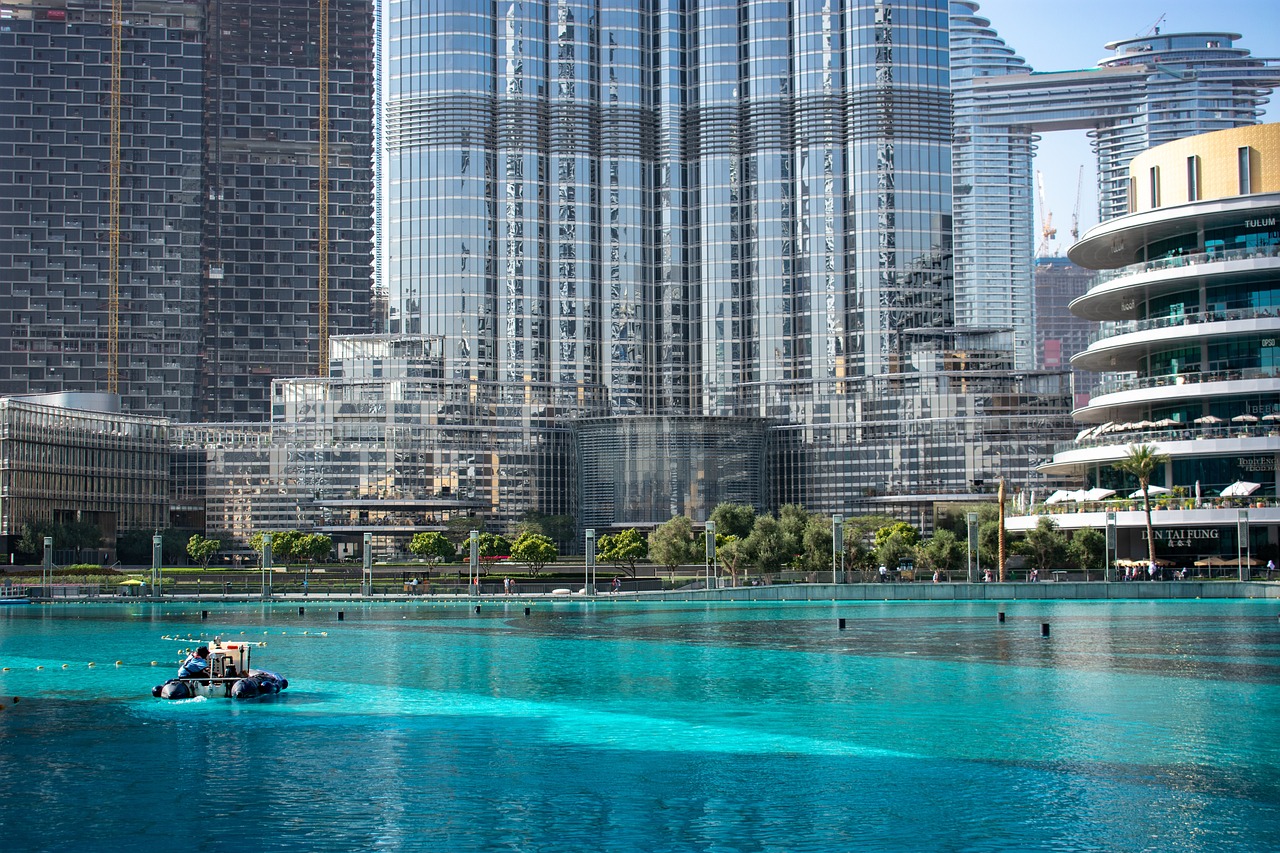

Dubai remains one of the most dynamic investment hubs in the Middle East, and when you search for the “Best Investment Opportunities in Dubai Right Now” you’ll find a mix of long-standing favorites and emerging sectors. Real estate still attracts global capital—from off‑plan residential projects to logistics warehouses—but newer avenues like fintech startups, green energy, and commodities trading are increasingly compelling. The city’s free zones, modern infrastructure, and tourism rebound create specific, actionable options for both individual and institutional investors.
This article outlines the best investment opportunities in Dubai right now, explains why each sector matters, and gives practical advice for due diligence and on‑the‑ground planning. I focus on opportunities that are accessible to international buyers: residential and commercial property, short‑term rentals and hospitality, industrial and logistics assets, listed vehicles such as REITs, startups and venture investing, and commodity/precious metals trading hubs. Wherever rules or prices can change, I note that you should confirm details with official sources before committing capital.
Quick Answer
The best investment opportunities in Dubai right now include residential real estate (especially high-demand areas and off‑plan projects), short‑term rentals and hospitality assets, industrial and logistics properties, REITs and listed securities, fintech and proptech startups, renewable energy projects, and commodities trading via DMCC. Each offers different risk, liquidity, and management profiles—do on‑site due diligence, work with licensed local advisors, and check official regulations before investing.
Key Takeaways
- Real estate and hospitality remain top choices, but industrial/logistics and technology startups are growing fast.
- Free zones such as DMCC and DIFC provide business-friendly structures for trading and finance.
- Due diligence and local legal counsel are essential—regulations and visa/business rules change.
- Short-term rentals can yield higher returns but need careful management and compliance with municipal rules.
- Visit Dubai to inspect assets, meet partners, and attend sector events before finalizing deals.
Why Dubai Is Attractive for Investors Right Now
Dubai sits at a logistical crossroads between Europe, Asia, and Africa, with world-class airports (DXB and DWC) and major ports. That connectivity supports tourism, trade, and logistics—three pillars that underpin many of the best investment opportunities in Dubai right now. The city’s focus on business‑friendly reforms, growing tourist numbers, and active free zones makes it easier for foreign capital to operate and scale.
Another draw is diversification: you can balance relatively liquid public investments like REITs and stocks with higher‑return but less liquid assets such as development projects or private equity. The city’s events calendar—trade shows, finance conferences, and property expos—also provides regular windows for deal sourcing and networking.
Top Investment Opportunities in Dubai Right Now
Residential Real Estate: Off‑plan and Secondary Markets
Residential property remains a core option. Prime neighborhoods—Downtown Dubai, Dubai Marina, Palm Jumeirah, Business Bay, and emerging masterplans—attract both long‑term tenants and short‑term visitors. Off‑plan developments can offer attractive entry pricing, while established secondary market units may be easier to rent immediately.
Practical tip: inspect show homes, check developer track record, and confirm payment schedules and post‑handover service. Avoid buying sight unseen without a trusted local lawyer and agent.
Short‑term Rentals and Hospitality
Demand for short‑term rentals and serviced apartments picks up during peak tourist and expo seasons. Managed holiday homes and boutique hotels can deliver strong yields, but they require active management and compliance with Dubai Municipality and Dubai Land Department rules. Short‑term hospitality is best for investors willing to delegate operations to reputable management companies.
Mistake to avoid: underestimating operational costs and permit requirements. Confirm licensing, cleaning, and marketing plans before acquiring a property.
Industrial & Logistics: Warehouses, Cold Chain, and Fulfillment
Growth in e‑commerce and regional trade has made logistics a standout opportunity. Warehouses, last‑mile distribution centers, and cold‑chain facilities near Jebel Ali and Al Quoz command steady demand. These assets often have longer leases and corporate tenants, offering more predictable cash flow than residential short‑lets.
Tip: focus on properties with strong access to major roads and ports; partner with logistics operators for market insight.
Office Space, Co‑working and DIFC/Downtown Opportunities
Demand for premium office space in financial and free‑zone districts such as DIFC and Dubai International Financial Centre can be attractive for corporate landlords. Co‑working and flexible office providers remain important for startups and regional teams.
Note: hybrid working patterns influence office demand—consider flexible leasing terms and multi‑tenant strategies.
REITs, Listed Securities and Private Funds
If you prefer liquidity and lower management burden, Dubai and UAE‑listed REITs, stocks on Nasdaq Dubai or DFM, and regional ETFs provide exposure to local real estate and corporate growth. These vehicles offer easier entry/exit compared with direct property and can diversify sector risk.
Practical advice: review fund prospectuses and market liquidity, and consult your broker on tax implications in your home jurisdiction.
Startups, Venture Capital and Fintech
Dubai’s startup ecosystem—fintech, proptech, healthtech, and logistics tech—continues to attract founders and venture capital. Accelerator programs, incubators, and investor networks make it practical for angel investors and funds to participate. Early-stage investing offers high upside but carries high risk and longer horizons.
Tip: attend local pitch events and partner with reputable VC firms or accelerators to access deal flow and co-investment opportunities.
Renewable Energy and Infrastructure
The UAE’s push toward decarbonization creates opportunities in solar projects, energy storage, and green hydrogen. Infrastructure investments—transport, utilities, and large public projects—can offer stable, long-term returns but often require large capital and institutional partners.
Check: government tenders and public‑private partnership frameworks for participation routes.
Commodities & Gold Trading (DMCC, Gold Souk)
Dubai’s DMCC and traditional markets continue to be hubs for gold, precious metals, and commodities trading. For investors comfortable with trading and storage logistics, regulated commodity markets provide alternative exposure not directly tied to real estate cycles.
Advice: work with licensed brokers and custodians, and verify storage and insurance arrangements before committing capital.
Fractional Ownership, Off‑plan Funds and Private Equity
Fractional ownership platforms and private funds allow exposure to high‑value assets—luxury property, yachts, or commercial projects—without full ownership. These structures improve accessibility but require careful legal review of governance, exit terms, and fee structures.
Simple Comparison Table: Asset Classes at a Glance
| Asset Class | Why Invest | Liquidity | Typical Risk |
|---|---|---|---|
| Residential Property | Rental demand, capital appreciation | Medium | Medium |
| Short‑term Rentals | Higher yields, tourist demand | Medium | Medium‑High |
| Industrial / Logistics | Steady income, trade growth | Low‑Medium | Medium |
| REITs & Listed | Liquidity, diversification | High | Low‑Medium |
| Startups & VC | High growth potential | Low | High |
How to Evaluate Deals in Dubai
Good deal evaluation starts with local knowledge. Use licensed real estate agents, independent surveyors, and law firms that specialize in UAE transactions. Confirm ownership records with the Dubai Land Department (DLD) for property deals and verify developer credentials on off‑plan projects.
Due Diligence Checklist
- Confirm title and registration with DLD or relevant free zone authority.
- Review developer track record, delivery history, and service charges.
- Check zoning and permitted uses—some communities limit short‑term rentals.
- Obtain independent valuations and rental comparables.
- Understand tax implications in both the UAE and your home country; consult tax advisors.
Best Tips for Planning Your Trip to Dubai as an Investor
Plan your itinerary around key meetings, site visits, and trade events. Fly into Dubai International (DXB) for the most connectivity; Al Maktoum International (DWC) serves cargo and some passenger routes and is useful for logistics investors. Stay in neighborhoods close to your target assets—Downtown and Business Bay for central property, Dubai Marina for coastal projects, Jebel Ali for logistics.
Schedule meetings ahead of time, bring original documents for identity and company verification, and allow extra days for site visits and inspections. If you plan on company formation or signing contracts, arrange consultations with a local lawyer. Finally, check official UAE government and embassy websites for visa and entry requirements before booking travel.
Is It Worth It? Who Is This Best For?
Investing in Dubai can be worth it for long‑term investors, institutional funds, and entrepreneurs seeking a regional base. It suits those who want exposure to tourism, trade, and a growing tech ecosystem. The city offers a range of risk profiles—from liquid listed assets and REITs to higher‑risk startups and development projects.
However, Dubai may be less suitable for short‑term speculators who cannot perform on‑site due diligence or for investors who are uncomfortable with regional regulatory differences and currency exposure. Always match investment horizon and risk tolerance to the asset class you choose.
Common Mistakes to Avoid
- Skipping an on‑site inspection or relying solely on online listings.
- Underestimating running costs: maintenance, community fees, and management fees.
- Assuming all free zones offer the same benefits—each has different regulations and costs.
- Failing to verify developer warranties, project delivery timelines, or tenant demand.
- Not consulting local legal and tax advisors before signing agreements.
Conclusion
Dubai offers a broad menu of investment opportunities—from residential and hospitality assets to industrial property, REITs, startups, and commodities trading. The best approach is to combine on‑the‑ground due diligence, reputable local advisors, and a clear understanding of your investment horizon and liquidity needs. If you visit Dubai prepared—booked meetings, verified documents, and a local legal team—you’ll be in a strong position to evaluate the best investment opportunities in Dubai right now.
Frequently Asked Questions
What are the safest investment options in Dubai?
Safest options typically include listed REITs, well‑located long‑lease industrial properties, and high‑quality residential assets with solid rental demand. These tend to offer lower volatility and clearer exit routes compared with early‑stage startups or speculative developments.
Can foreigners buy property in Dubai?
Yes, foreigners can buy in designated freehold areas; specific areas grant full ownership while others may have leasehold arrangements. Always confirm ownership type and registration details with the Dubai Land Department and seek legal advice before purchase.
Do I need to travel to Dubai to invest?
Travel is not always required, but an on‑site visit is highly recommended for property and operational investments to inspect assets and meet partners. For listed securities or funds, remote transactions are possible, but in‑person meetings help validate partners and projects.
How do I find reliable local partners and managers?
Use regulated brokers, the Dubai Chamber, and referrals from credible industry contacts; attend sector conferences and property expos to meet vetted professionals. Check licenses, client references, and contractual terms before engaging a manager.
What are the main risks of investing in Dubai?
Key risks include regulatory and policy changes, project delivery delays, market cycles in real estate and tourism, and currency considerations if you’re investing from outside the UAE. Mitigate risks with thorough due diligence and legal counsel.
Are there tax advantages to investing in Dubai?
Dubai has historically had favorable tax policies for many investors, but tax treatment depends on asset type and your home country’s rules. Consult an international tax advisor to understand implications before investing.
How do I evaluate an off‑plan property developer?
Assess the developer’s delivery record, financial stability, prior projects, and reviews from buyers. Request copies of permits, payment schedules, and contract terms, and verify registrations with relevant authorities.
Where can I find events to meet startups and investors in Dubai?
Major conferences and expos—property shows, fintech summits, and trade fairs—are valuable for networking and deal sourcing. Check event calendars for Cityscape, GITEX, and industry‑specific forums, and plan visits around those dates for maximum access.