






Selling digital products across the Gulf countries can be one of the most scalable ways to reach wealthy, connected audiences in Saudi Arabia, the United Arab Emirates, Qatar, Kuwait, Bahrain, and Oman. The best digital products to sell online in Gulf countries combine language-sensitive content, mobile-first delivery, and payment options local buyers trust. Focused, culturally aware digital goods — from Arabic e-books to SaaS tools for real estate agents — perform particularly well.
This guide names high-potential digital products, explains where and how to sell them, and gives practical launch and marketing advice focused on Gulf markets. You’ll learn which product types fit different seller profiles, what payment and localization tasks matter most, and common mistakes to avoid.
Quick Answer
The best digital products to sell online in Gulf countries are language-localized and mobile-optimized items such as Arabic e-books and courses, social media templates and design assets, SaaS/subscription tools for property and retail, stock photos and drone footage of Gulf cities, localized mobile apps, and professional services like Arabic voiceovers and translation. Success depends on Arabic/English support, local payment integrations (Mada, SADAD, Benefit, QPay), and targeted marketing on Instagram, Snapchat, and local marketplaces like Noon and Amazon.sa.
Key Takeaways
- Prioritize Arabic localization and mobile-first delivery.
- Offer payment methods popular in the Gulf (local wallets, card gateways, and cash-on-delivery alternatives for hybrid sellers).
- High-value niches: education, business templates, real estate SaaS, Islamic content, and tourism guides.
- Use local marketplaces, WhatsApp Business, and influencer partnerships to accelerate sales.
- Test pricing in AED, SAR, QAR, and other Gulf currencies and check VAT/tax rules before scaling.
Why these digital products sell well in the Gulf
Gulf buyers expect polished, mobile-friendly experiences and often have high purchasing power. Many are bilingual (Arabic and English), and businesses are rapidly digitalizing—creating strong demand for tools that save time or support localization. Also, social commerce is strong: shoppers buy from Instagram, Snapchat, and WhatsApp almost as often as from web stores.
Top digital products to sell online in Gulf countries
1. Online courses and e-learning (Arabic + English)
Courses on business skills, digital marketing, English for work, and religious studies tailored to Gulf audiences sell well. Use platforms like Teachable, Thinkific, or self-host with Stripe/PayFort integrations. Include Arabic subtitles, region-relevant examples, and bite-sized modules for mobile learners.
2. Arabic e-books, guides and city itineraries
Practical guides—career handbooks, local business etiquette, or city-specific itineraries for Dubai, Riyadh, and Doha—are easy to deliver and update. Travelers and expats pay for concise, trustworthy information about accommodations, local transport (airports like DXB, DOH, RUH), and cultural tips; always remind readers to verify visa and entry rules with official sources.
3. Social media templates, icon packs, and branding kits
Influencers and SMEs in the Gulf invest in polished Instagram and Snapchat content. Sell Arabic-ready Instagram templates, TikTok intro packs, and localized branding kits that include Arabic type options and right-to-left layouts.
4. Stock photos, drone footage, and video assets of Gulf cities
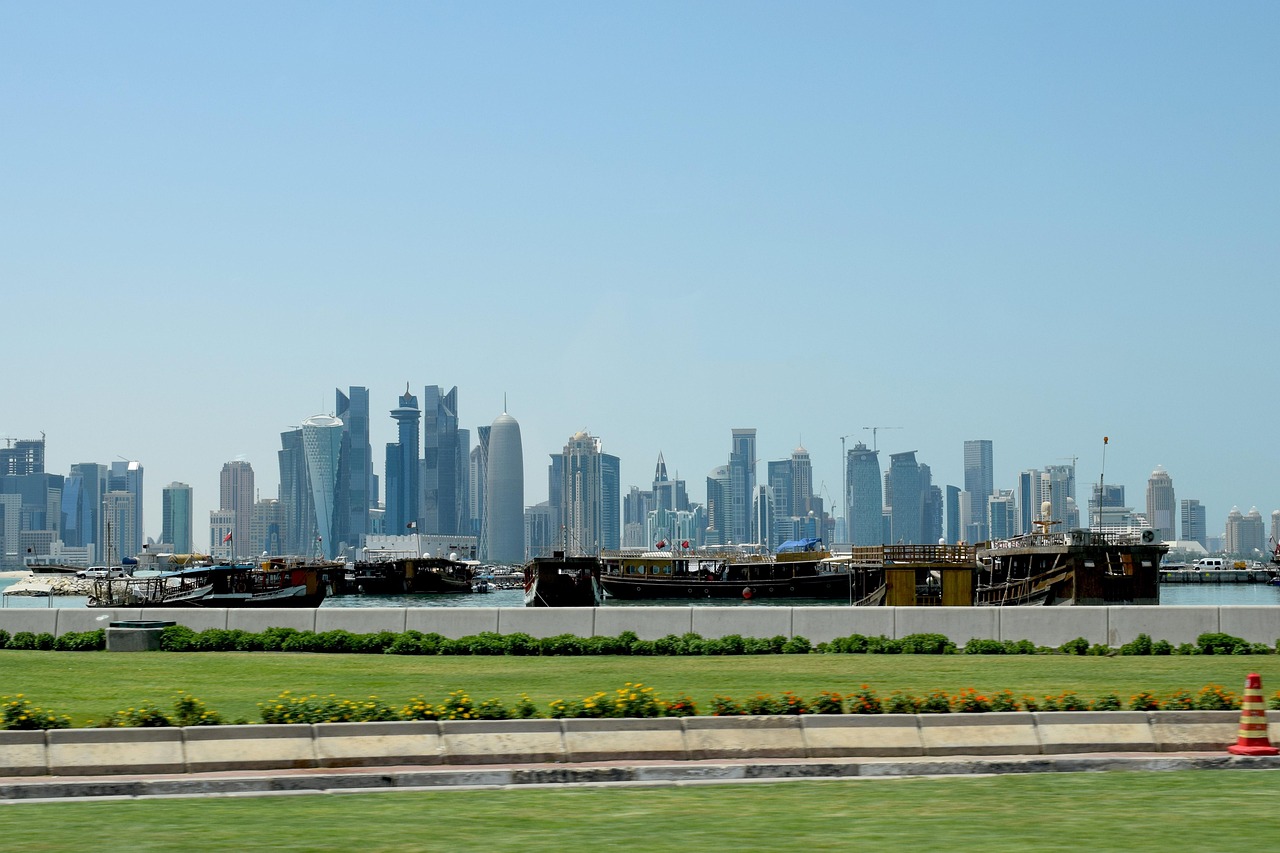
High-quality images and videos featuring skylines, desert landscapes, and cultural events are in demand for tourism, hospitality, and real estate marketing. Offer commercial licenses and region-specific bundles for advertisers and hotels.
5. SaaS and subscription tools (property, retail, payments)
Cloud services that solve local business problems—booking engines for short-term rentals, property-management dashboards for real estate agents, Arabic invoicing software—can generate recurring revenue. Prioritize integrations with local payment gateways and payroll providers.
6. Apps and mobile utilities
Local transit guides, prayer time apps, or Arabic learning apps with offline modes perform well on App Store and Google Play when localized and regularly updated. Follow app-store policies and local content rules.
7. Digital professional services (translation, voiceover, legal templates)
Offer human translation between Arabic dialects and English, legal document templates adapted for Gulf norms, and Arabic voiceovers for commercials. These services often sell as bundles or retainers.
8. Templates for CVs, contracts, and business proposals
Professionally formatted CV and proposal templates tailored to Gulf hiring norms save time for job seekers and freelancers. Include Arabic and English versions and region-specific phrasing.
How to choose which product to launch
- Match skills to demand: If you’re a designer, start with social templates and fonts; if you’re an educator, create short courses focused on in-demand skills.
- Validate with small tests: run Instagram ads or use WhatsApp groups to gauge interest before building a full product.
- Consider recurring revenue: SaaS and subscriptions require more upfront work but scale better than one-off downloads.
- Localize for dialects and use right-to-left typography where needed.
Where to sell and how to accept payments
Combine multiple channels for best reach: a dedicated Shopify or WooCommerce store, marketplaces like Amazon.sa and Noon, and social commerce on Instagram, Snapchat, and WhatsApp Business. For payments, integrate local gateways such as PayFort/Amazon Payment Services, PayTabs, Telr, SADAD (Saudi), QPay (Qatar), BENEFIT (Bahrain), and wallet options like STC Pay. Offer multi-currency pricing in AED, SAR, QAR and let customers pay in their currency.
Marketing tactics that work in Gulf markets
Leverage influencer partnerships on Instagram and Snapchat, create Arabic keyword-targeted SEO pages, and run localized Google and social ads using Arabic creatives. Participate in local tech and business events—GITEX in Dubai is a good example—for B2B exposure. Use WhatsApp Business for customer service; speed and Arabic support build trust.
Mistakes to avoid
- Skipping Arabic localization or not accounting for right-to-left layout.
- Ignoring local payment preferences and tax/VAT obligations.
- Using generic imagery instead of recognizable Gulf landmarks or culturally appropriate visuals.
- Not testing mobile checkout and downloads on lower-bandwidth connections.
Best Tips for Planning Your Launch
Start with a one-page landing page in Arabic and English, list clear product benefits, and collect emails before full development. Run small paid campaigns to a lead magnet—free preview lesson, sample template, or a mini photo pack. Partner with a micro-influencer in the target city (Dubai, Riyadh, Doha) for authenticity, and set up customer support in Arabic via WhatsApp or Telegram for the first 90 days.
Is it worth it? Who is this best for?
Yes — digital products can be highly profitable when tailored to Gulf audiences. This route is best for creators who can localize content, support mobile customers, and handle regional payment integrations. It suits freelancers, small agencies, educators, and developers who want low-overhead international sales with high lifetime value.
Practical examples and comparisons
Example A: A designer sells Arabic Instagram templates on both a Shopify store and via Instagram shopping; the Shopify store gives brand control while Instagram offers impulse sales. Example B: A developer launches a property-management SaaS with monthly subscription—this requires stronger customer support and local compliance but yields steadier revenues than one-time template sales.
Conclusion
The best digital products to sell online in Gulf countries are those that respect local language, culture, and payment habits while solving real business or consumer problems. Prioritize Arabic localization, optimize for mobile, integrate trusted payment gateways, and test your offer in one city before scaling across the GCC. With focused positioning and smart local marketing, digital goods can reach profitable audiences across Dubai, Riyadh, Doha, Kuwait City, Manama, and Muscat.
Frequently Asked Questions
What digital products sell fastest in the Gulf?
Short courses, social media templates, and Arabic e-books often sell fastest because they are quick to consume and easy to deliver. These products meet immediate needs for skills, branding, and information among both consumers and small businesses.
Do I need to offer Arabic language support?
Yes. Arabic support improves conversion and trust for many Gulf buyers. Provide Arabic product pages, communications, and at least FAQ-level support to reach a broader audience.
Which payment methods are most trusted in the Gulf?
Local gateways and wallets like SADAD (Saudi), QPay (Qatar), BENEFIT (Bahrain), Mada, and widely used services such as PayTabs and Amazon Payment Services are trusted. Also offer international card payments and local currency pricing when possible.
Should I sell through marketplaces or my own website?
Use both: marketplaces like Amazon.sa and Noon give immediate reach; your own site offers branding and higher margins. Start with marketplaces to validate demand, then funnel customers to your direct channels.
How important is mobile optimization?
Extremely important. Many Gulf customers purchase and consume digital goods on smartphones. Ensure your site, checkout, and product delivery work well on mobile and under variable network conditions.
Are there cultural considerations I should know about?
Yes. Use culturally appropriate imagery, avoid sensitive topics, and align with local norms—especially for religious and family content. When in doubt, consult a local reviewer or partner.
Can small creators compete with big brands in the Gulf?
Yes. Niche, localized products and high-quality customer service allow small creators to compete effectively. Focus on underserved needs—regional dialects, city-specific guides, or industry-specific SaaS—and build credibility through local partnerships.