








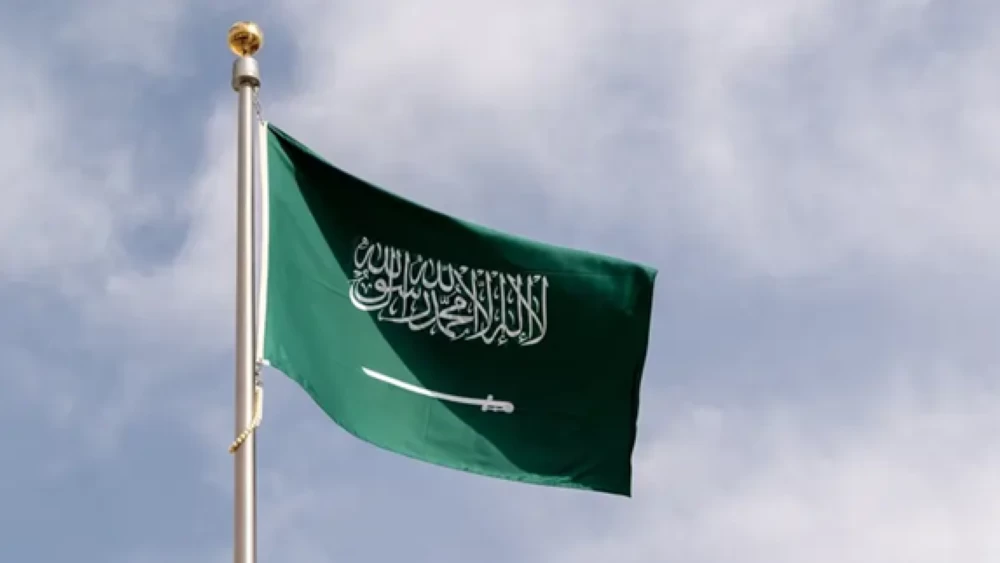

Iranian attacks prompt Saudi condemnation
The Saudi Ministry of Foreign Affairs renewed a strong condemnation of recent Iranian attacks on the sovereignty of neighboring Gulf states, saying the incidents threaten regional stability. The statement, issued on [date], cited what it described as blatant violations of the sovereignty of the Kingdom of Bahrain and the State of Kuwait and pledged continued support for measures to safeguard their territorial integrity. Iranian attacks, the ministry said, undermine international efforts to restore security in the region.
Who issued the statement and what it said
The ministry’s statement reiterated that Riyadh “condemns in the strongest terms” what it called aggressive acts and sovereignty violations by Iran, according to the official release. Furthermore, the ministry expressed solidarity with Bahrain and Kuwait and confirmed Saudi Arabia’s backing for any steps those governments take to protect their borders and population. The release did not specify operational details but framed the incidents as a pattern that increases the risk of escalation.
Context and regional implications for Gulf security
Analysts say the renewed denunciation feeds into broader regional concerns about Gulf security and the potential for incidents to cascade into wider confrontation. Furthermore, repeated Iranian actions, as characterized by the Saudi statement, have been described by some observers as testing regional norms and maritime and airspace safeguards. The concern is that sustained pressure could complicate diplomatic efforts and hinder cooperation on issues ranging from energy routes to counterterrorism.
Diplomatic responses and international law considerations
Saudi Arabia’s announcement underscored that sovereignty violations have legal and diplomatic consequences, officials said. Therefore, Riyadh signaled that it supports legal and diplomatic avenues to address such violations, while also endorsing defensive measures by the affected states. According to the ministry, international mechanisms aimed at de-escalation and conflict prevention should be prioritized to avoid inadvertent wider confrontations.
Potential channels for escalation or resolution
Meanwhile, Gulf Cooperation Council members and other partners could pursue collective diplomatic pressure, enhanced maritime security coordination, and engagement with international organizations to address the incidents. Additionally, defense cooperation and intelligence sharing may increase among Gulf states as a deterrent, officials and regional analysts suggest. However, experts caution that military responses carry risks and that multilateral conflict-resolution efforts remain crucial.
How this affects Bahrain and Kuwait
Bahrain and Kuwait were named explicitly in the Saudi statement, which reaffirmed Riyadh’s support for their sovereignty and security. Therefore, the announcement aims to signal both political solidarity and readiness to back concrete measures those states take in response to threats. In practical terms, this could mean diplomatic backing in international forums, reinforcement of security arrangements, and coordination on contingency planning.
Reactions from international actors and analysts
International reactions to the reports of violations have varied, with calls from some capitals for restraint and renewed dialogue. Furthermore, diplomats and regional experts note that the situation highlights the need for reliable communication channels to prevent miscalculations. The ministry’s language underscores a wider international concern that unchecked incidents could disrupt global energy markets and maritime commerce, given the Gulf’s strategic importance.
Background: recent patterns and precedent
Observers point to earlier incidents that have strained relations in the Gulf and created recurring flashpoints. Therefore, the ministry’s statement framed the recent events as part of a pattern that risks eroding trust and complicating diplomatic pathways. The cumulative effect of such actions may prompt Gulf governments to pursue multilayered responses, combining diplomacy, legal measures, and defensive readiness.
What to watch next
Looking ahead, readers should monitor diplomatic exchanges in the coming days and weeks, including possible statements from Bahrain, Kuwait, and international partners. Furthermore, follow-up actions could include emergency consultations among Gulf states, appeals to the United Nations, or enhanced maritime and airspace monitoring. The timeline for any coordinated response will depend on additional information about the incidents and the political will of regional and global actors.
Conclusion and forward-looking note
Saudi Arabia condemns the reported actions and has pledged solidarity with Bahrain and Kuwait while advocating for mechanisms to restore stability. Therefore, the situation merits close attention as governments assess their options and international bodies consider how to de-escalate tensions. Readers should watch for subsequent official briefings and any joint statements from Gulf partners or multilateral organizations that could shape the next steps in addressing these sovereignty violations and safeguarding Gulf security.