






Emphasizing the Role of Partnership in Tackling Addiction
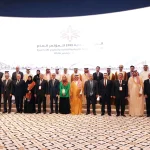
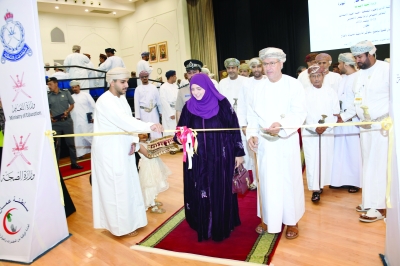
The Fourth Gulf Conference for Social Work commenced today at Dhofar University, focusing on the pressing issue of addiction and its social, health, and security implications. The conference aims to address prevention and treatment strategies while enhancing collaboration among institutions involved in protection, treatment, and rehabilitation, as well as sharing experiences and professional practices in this field.
Under the patronage of Her Excellency Dr. Leila bint Ahmed Al-Najjar, Minister of Social Development, the conference features participation from prominent academics, researchers, and specialists from Oman, the Gulf Cooperation Council (GCC) countries, and several Arab nations. Spanning two days, the event highlights the critical need for community awareness regarding the dangers of addiction and the importance of supporting recovery and reintegration efforts.
Objectives of the Conference
The conference serves multiple objectives, primarily to raise societal awareness about the dangers of addiction. It emphasizes protecting individuals, families, and communities by fostering a positive societal change in perception toward addiction and emphasizing the significance of mental health. Additionally, the event seeks to highlight the human rights of individuals struggling with addiction, including their right to life, health, and treatment.
Dr. Khalid bin Muslim Al-Mashiakhi, Dean of the College of Arts and Applied Sciences, emphasized that addressing addiction requires collaborative efforts among various governmental and civil institutions. According to him, the issue transcends individual challenges, affecting whole families and communities, which necessitates a robust partnership among healthcare, security, social, and civil institutions.
Key Themes and Discussions
The conference is structured around four main themes. The first theme focuses on “Psychoactive Substances: Their Psychological, Social, and Health Dimensions.” This segment delves into the realities of psychoactive substance use at international, regional, and local levels, examining its prevalence in Omani society and the Arab world, along with the treatment and rehabilitation efforts by health institutions.
The second theme, “Digital Addiction: Reality and Challenges,” addresses the human implications of technological advancements and digital transformation. It looks at the aspects of addiction linked to social media and smartphone usage, highlighting educational and familial challenges that arise. Strategies for protecting the youth from digital addiction and its impacts on mental health and cognitive development are also discussed.
The third theme, “National and Community Partnerships in Protection and Treatment,” examines the community’s responsibility and the integration of roles among families, educational institutions, religious organizations, and civil establishments in preventing addiction. It underscores the role of treatment and rehabilitation centers in supporting recovering individuals on their path to psychological and social stability.
The final theme explores “Policies and Legislation in Combating Addiction.” It focuses on the role of laws and regulations in Oman and the Arab world in fighting addiction, as well as the contributions of judicial, security, and military bodies in addressing drug-related crimes and supporting treatment initiatives.
Target Audience and Future Directions
This conference targets a diverse audience, including academics in universities and colleges, professionals from governmental and non-governmental organizations, security forces, civil society groups, and researchers specializing in addiction. The goal is to foster a comprehensive understanding and collaboration among various sectors to tackle addiction effectively.
Looking ahead, the insights and partnerships developed during this conference could pave the way for more integrated strategies in the fight against addiction. By focusing on comprehensive community engagement and continuous education, stakeholders are expected to develop sustainable solutions for addiction prevention and treatment in Oman and the broader Arab world.