









Oman Issues Four Royal Decrees on Financial Center Regulations
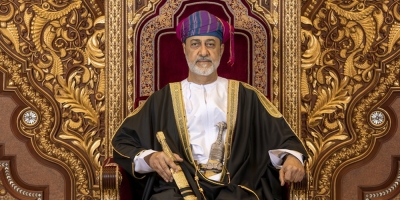
In a significant move to enhance the regulatory framework of the Oman Financial Centre, Sultan Haitham bin Tariq issued four royal decrees on November 10, 2026. These decrees aim to establish a well-structured legal environment for operations within this financial hub, reflecting the Sultanate’s commitment to economic development and diversification.
The decrees encompass laws on operational standards, organizational regulations, court systems, and tax provisions specifically designed for multinational entities within the Oman Financial Centre. This structured approach is expected to attract more international businesses and investors looking for a stable and regulated platform in the region.
Details of the Decrees
The first decree, Royal Decree No. 102/2026, pertains to the issuance of the operational law at the Oman Financial Centre. This law will govern how businesses operate within the financial ecosystem, ensuring that activities align with international standards and practices.
Following this, Royal Decree No. 103/2026 establishes organizational regulations that stipulate how entities must structure themselves to comply with local and international requirements. These regulations are deemed essential for fostering transparency and accountability within the financial sector.
Furthermore, Royal Decree No. 104/2026 focuses on the establishment of courts specifically for the Oman Financial Centre. This court system aims to provide a specialized legal framework to handle disputes efficiently, thereby promoting investor confidence.
Lastly, Royal Decree No. 105/2026 outlines the implementation of a supplementary tax law applicable to entities involved in multinational operations within the financial center. This set of tax regulations is anticipated to create a balanced taxation environment that encourages economic activities while ensuring fairness in tax obligations.
Implications for Economic Growth
The issuance of these royal decrees signifies a proactive approach towards economic governance in Oman. By reforming legal structures and introducing specialized laws, the Sultanate aims to position itself as a premier financial destination in the Middle East.
These developments are expected to not only attract foreign investments but also enhance local businesses’ competitiveness by providing them with a clearer regulatory framework. Moreover, the establishment of a dedicated court system is likely to expedite legal proceedings, which is a crucial factor for businesses operating in a dynamic financial environment.
Officials believe that these measures align with Oman’s long-term vision of economic diversification, reducing the dependency on oil revenues, and increasing the contribution of non-oil sectors to the national GDP.
Looking Ahead: Future Prospects
As Oman moves forward with these regulatory updates, stakeholders are encouraged to monitor how effectively these laws will be implemented and their impact on local and international investment trends. The government has expressed its commitment to ensuring that all entities are well-informed about the new legal frameworks and are ready to comply with the updated regulations.
In conclusion, the Sultanate of Oman is taking strategic steps to bolster its economy by refining the legal and regulatory environment of the Oman Financial Centre. As implementation begins, the focus will be on encouraging compliance and fostering an investor-friendly climate. Observers are keen to see the immediate effects of these decrees in the coming months, particularly regarding foreign investments and operational efficiencies within the center.