






Understanding Winter Viral Infections in Children
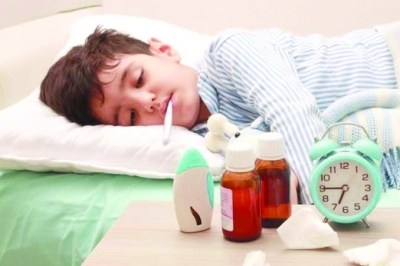
Colds top the list of common viral infections during winter, showing symptoms like sneezing, runny nose, sore throat, mild fever, and general fatigue. Children are especially prone to these infections, often contracting them in schools and daycare centers due to close contact with peers. The spread of viruses increases significantly in these environments as children spend extended hours together.
Dr. Leila bint Ali Al-Kalbani, head of the health education department at the General Directorate of Health Services in the Dhahirah Governorate, highlights rising concerns among parents about viral infections as winter approaches. Notably, several viral illnesses, particularly those affecting the respiratory and gastrointestinal systems, become prevalent during this season. Among these, the common cold caused by various viruses, especially rhinoviruses, presents symptoms such as a runny nose, sneezing, and coughing. Seasonal flu also widely spreads, presenting more severe symptoms including fever, body aches, extreme fatigue, and sore throat.
Modes of Transmission and High-Risk Groups
In addition to colds and flu, respiratory syncytial viruses pose a significant risk, particularly to infants and young children, potentially leading to bronchitis and pneumonia. The rotavirus, common in young children during winter, leads to acute diarrhea and vomiting.
Dr. Leila explains that these viruses transmit through several channels, primarily through respiratory droplets. When an infected child coughs or sneezes, droplets containing the virus spread into the air, which can be inhaled by others. Direct contact, such as kissing or touching contaminated surfaces, also facilitates the spread. Sharing personal items like toys, cups, and towels further increases the risk of infection.
Moreover, closed environments like schools, daycare centers, and homes are conducive to virus spread, especially in winter when ventilation levels decrease.
Preventing Viral Infections Among Children
Addressing prevention, Dr. Leila emphasizes the importance of following straightforward measures to mitigate the risk of infection. Vaccinations are crucial, ensuring children receive timely immunizations such as the flu and rotavirus vaccines—primary tools for protecting against winter viruses. She also stresses the necessity of regular hand washing and educating children on the proper technique, using soap and water for at least 20 seconds or utilizing alcohol-based sanitizers, particularly post-coughing or sneezing.
Other preventive strategies include ensuring good ventilation by frequently airing homes and closed spaces, which can minimize virus circulation. Avoiding crowded places and large gatherings during peak viral activity is advised, especially for children with weakened immune systems. For older children, wearing masks in public areas may provide additional protection when infection rates rise.
Cleaning and Hygiene Practices
Disinfecting surfaces is another vital step in limiting virus transmission, particularly surfaces that children frequently touch, such as toys, tables, and doorknobs. Additionally, parents should refrain from sending sick children to daycare or school to prevent spreading the infection to others.
For school-aged children displaying viral symptoms, Dr. Leila underlines schools’ essential roles in collaboration with families to prevent illness and protect students. This includes delivering health education programs that teach children the importance of personal hygiene, such as washing hands and covering their mouths and noses when coughing or sneezing—a responsibility usually handled by school health nurses.
The Importance of Hygiene in Schools
Maintaining a clean school environment is also critical, necessitating regular disinfection of surfaces and ensuring adequate airflow within classrooms. Implementing general health procedures is essential, including keeping symptomatic children home until they recover to limit transmission among students.
Schools should also provide sanitation supplies like hand sanitizers and tissues while ensuring that soap and water are consistently available in restrooms. Teachers and administrators should monitor children’s health closely, offering necessary support for those showing illness symptoms and ensuring they adhere to hygiene practices.
Conclusion: Looking Forward to Healthier Winters
Dr. Leila reiterates that prevention is better than treatment. Although winter is a season when viral illnesses are more prevalent, simple steps such as adhering to vaccination schedules, maintaining personal hygiene, and ensuring proper ventilation can effectively protect children from health risks. Collaboration between families and schools is essential to safeguard children during this season. Parents should consult doctors promptly if their child exhibits unusual or prolonged symptoms.
In related developments, the Ministry of Health alerted the public that fluctuating temperatures increase flu cases, emphasizing appropriate treatments according to health guidelines. Mild flu symptoms can generally be managed at home with adequate hydration, rest, and fever-reducing medications like paracetamol, while minimizing close contact with others is crucial to reduce transmission.