






The Significance of Tribal Involvement in “Fajr Yemen”
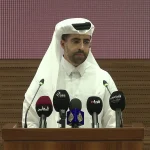
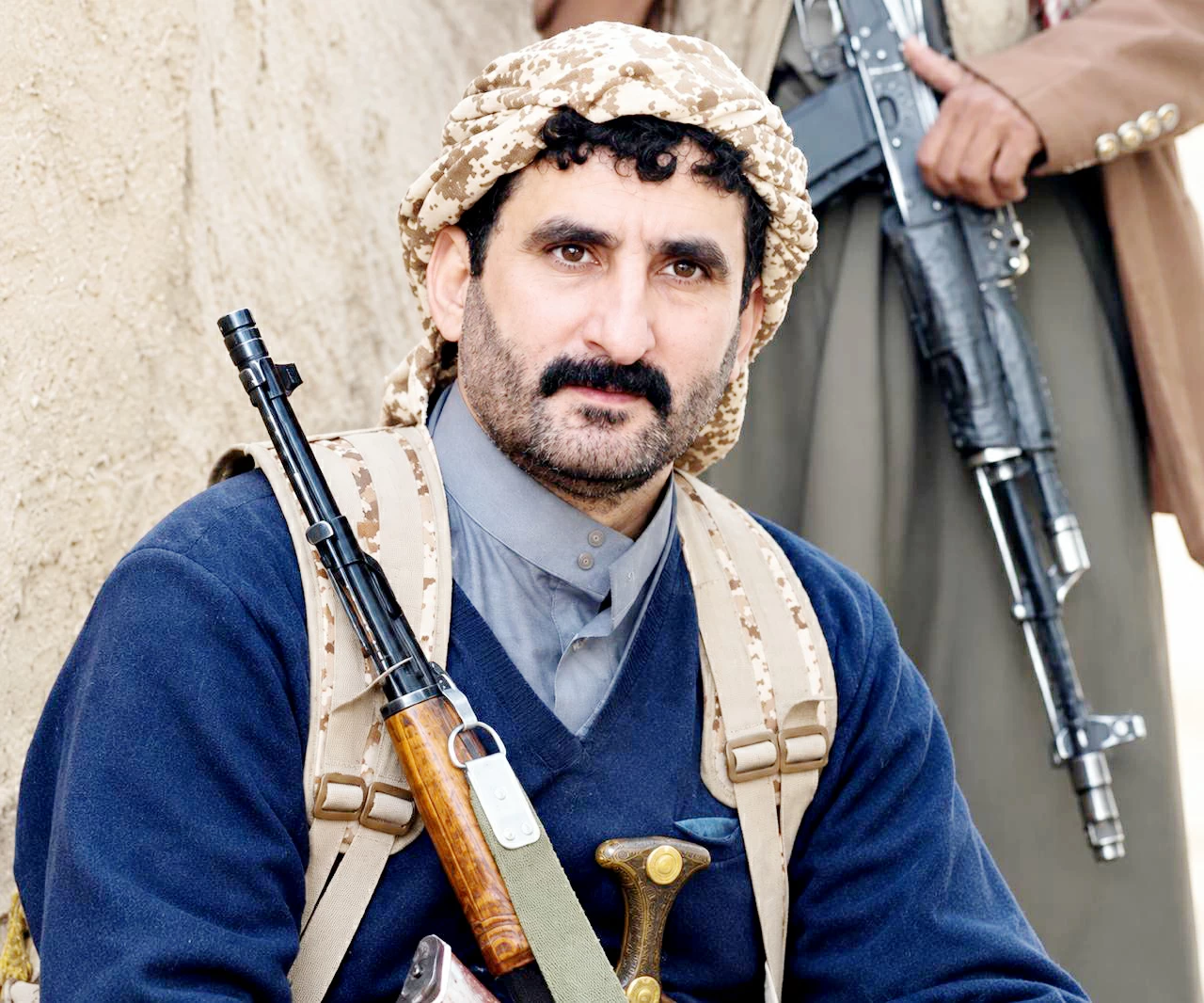
The ongoing conflict in Yemen has drawn significant attention to the role of tribal forces in the resistance against Houthi militias, particularly in the context of the latest military campaign referred to as “Fajr Yemen.” According to Governor Abdul Qawi Sharif, Yemen’s tribes are considered the backbone of the nation, integral to the fight against the Houthi insurgency that has plagued the country since the early stages of the conflict. This military operation aims not only to combat the militia but also to restore the legitimacy of the Yemeni state.
Current Challenges Facing Yemeni Tribes
Governor Sharif emphasized the resilient spirit of Yemen’s tribes, noting that they have played a pivotal role in the country’s revolutions and struggles for independence. However, the harsh conditions in regions such as Sana’a, Al-Jawf, and Dhamar have made it increasingly difficult for these tribes to maintain their influence and strength. The Governor stated that despite the oppressive environment created by the Houthi regime—characterized by taxation, conscription, and the suppression of freedoms—there remains a notable willingness among tribal leaders to resist the militia’s control.
The Potential of “Fajr Yemen” to Reshape Dynamics
“Fajr Yemen,” meaning “Dawn of Yemen,” represents a critical juncture in the Yemeni people’s fight for sovereignty and basic rights. Governor Sharif indicated that this operation is not merely a military campaign but rather a collective national effort to reclaim the state from Houthi influence. He believes it symbolizes hope for all Yemenis, who have endured tremendous adversities due to ongoing conflict and economic hardship. The initiative aims to unify diverse tribal and political factions to work collaboratively towards restoring Yemen’s stability and governance.
Grassroots Support and Tribal Activism
In the face of adversity, grassroots movements among Yemeni tribes are noteworthy. Governor Sharif reported an uptick in tribal activism against Houthi practices, especially following recent aggressions against prominent tribal figures. This grassroots resistance reflects a broader acknowledgment among members of various tribes of their collective history and the importance of unity. Sultan Al-Bahli, a local tribal leader, remarked on the unyielding spirit among tribes, stating that the Houthis have underestimated the power and resolve of tribal communities.
Looking Ahead: Hope for a Restored State
As Yemen navigates through this complex and tumultuous landscape, the Governor remains optimistic about the future. He advocates for a Yemen where power resides not in armed factions but in a unified government underpinned by the rule of law. This vision includes not just defeating Houthi control but also fostering a political environment conducive to peace and prosperity. With the anticipated support of both localized tribal gestures and external allies, Sharif believes the campaign can lead to a forthcoming era, characterized by peace and stability across Yemen.