






Environmental Campaigns in Oman Tackle Marine Waste
Recent environmental campaigns conducted by the Environmental Authority in the Musandam and Dhofar Governorates have successfully removed over 4.9 tons of old fishing nets and debris from the seabed and coral reefs. This initiative aims to protect marine environments, conserve biodiversity, and mitigate threats to marine life and their habitats.
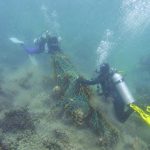
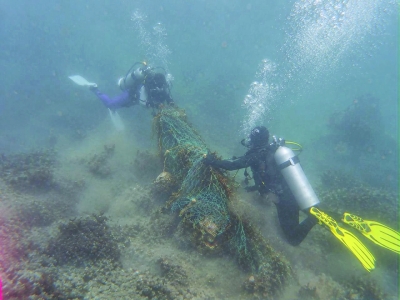
In Musandam Governorate, the Environmental Center in Daba, in collaboration with the Six Senses Zighy Bay Resort, launched a campaign to clean the seabed in the Hafah area. The initiative led to the removal of more than one and a half tons of abandoned fishing nets, with scuba diver teams engaged in extracting these entangled nets to reduce their harmful impact on marine organisms.
Efforts to Reduce Ghost Fishing
According to Mohammed bin Jamouh Al Zuhuri, a biodiversity specialist at the Environmental Center in Daba, the removal of lost fishing nets plays a crucial role in mitigating the phenomenon known as “ghost fishing.” This happens when abandoned or lost fishing gear continues to capture marine life unintentionally, leading to their death and disrupting the ecological balance.
Additionally, the campaign included educational programs targeting fishermen, focusing on the dangers of discarding fishing gear in the ocean. Participants learned about the impact of such practices on fish stocks and marine habitats, as well as proper ways to handle fishing equipment and the importance of reporting lost nets and marine waste.
Cleaning Coral Reefs in Dhofar
In Dhofar Governorate, the General Directorate of Environment completed a campaign to clean the coral reefs in the Hallaniyat Islands area from October 19 to October 22. The initiative involved collaboration with the Deputy Waliyat of Salim and the Hallaniyat Islands Municipality, along with numerous volunteer divers and community members.
This campaign resulted in the recovery of approximately 3.4 tons of discarded fishing nets entangled in the coral reefs, aiming to reduce threats to marine life and protect natural habitats and biodiversity in the governorate.
Community Involvement and Education
The cleaning efforts also encompassed beach cleanups on the Hallaniyat Islands and included lectures and awareness sessions for local school students and residents. These sessions highlighted the environmental and economic significance of coral reefs and stressed the need to protect beaches from plastic waste and marine pollution.
Ahmed bin Salem Al Mashani, head of the Wildlife Management Department at the General Directorate of Environment in Dhofar, stated that the campaign is part of the Environmental Authority’s ongoing efforts to safeguard marine ecosystems. He noted that the coral reefs in the Hallaniyat Islands are vital for environmental balance, providing habitats for numerous marine species.
The Importance of Collaborative Efforts
Al Mashani emphasized that the accumulation of fishing nets and trash poses a threat to the integrity of coral reefs and their ability to regenerate naturally. The results of the operation underscore the importance of collaborative efforts between government entities, volunteer divers, and local communities in tackling marine pollution.
Looking ahead, these initiatives reflect a growing awareness of environmental issues and signify the need for sustained action to protect marine ecosystems. Ongoing education and community involvement will be crucial in mitigating future risks to marine habitats.