






Qatar’s Support for Saudi Arabia and Regional Stability Initiatives
On June 10, 2026, Qatar reaffirmed its support for Saudi Arabia’s measures aimed at preserving its sovereignty, security, and regional stability. The announcement coincided with Qatar’s endorsement of the “Makkah Alliance” and its commitment to any regional initiatives aimed at stabilizing the area. This comes amid ongoing diplomatic communications between Washington and Tehran, facilitated by Qatar in hopes of advancing discussions between the two nations.
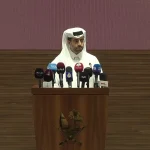
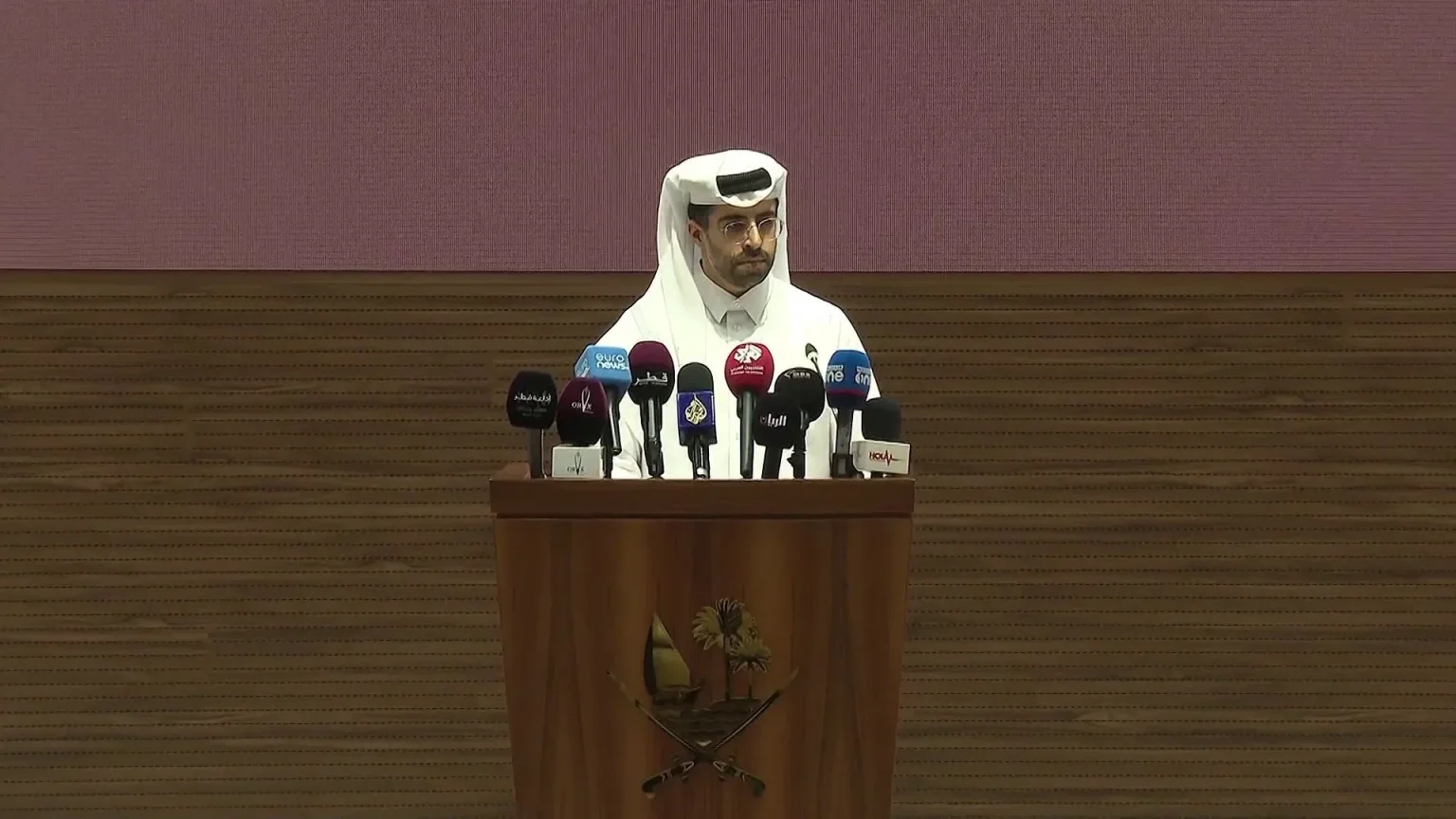
During a press briefing, Ibrahim bin Sultan Al Hashimi, the Director of the Media and Communication Department at the Qatari Ministry of Foreign Affairs, emphasized Doha’s backing of any regional initiatives aimed at ensuring the security and integrity of the territories within the Gulf region. He stated that the “Makkah Alliance” is part of these efforts.
Qatar’s Stance on Regional Alliances
Al Hashimi explained that the coalition enhances regional cooperation and aims to safeguard the resources and stability of the countries involved. Furthermore, he reiterated Qatar’s solidarity with Saudi Arabia, condemning attempts to target the nation, its sacred sites, and civilian infrastructure. This strong position follows Qatar’s condemnation of the Houthi attack on an electric distribution station in Medina, which serves the Prophet Muhammad’s Mosque, demonstrating Qatar’s firm opposition to aggression against sacred sites and civilians.
In response to a query about whether Gulf countries are moving towards establishing a joint security and defense system independently of the United States, Al Hashimi expressed Qatar’s welcoming of any initiative that enhances the region’s security and stability. He reaffirmed support for all efforts that align with this goal.
Ongoing Mediation Efforts Between Washington and Tehran
In discussing Qatar’s mediating role, Al Hashimi indicated that communications between the U.S. and Iran have not ceased, with continual visits aimed at reaching a breakthrough. He clarified that these efforts encompass all current issues of mutual concern for both nations.
This statement came in response to questions regarding the Iranian Interior Minister’s visit to Doha and whether this visit was part of a message exchange between Tehran and Washington through the Qatari intermediary. Al Hashimi noted that the specifics of the visit are a matter for the Ministry of Interior, while assuring that the exchange of messages persists and that Doha remains committed to facilitating dialogue.
Addressing the topic of Iranian pilots, he revealed that Qatar has been transparent regarding this issue from the beginning, keeping Iranian officials updated on its developments. He confirmed Doha’s openness to an Iranian visit to review the actions taken on this matter.
Qatar’s Diplomatic Initiatives in the Region
Al Hashimi remarked that the discussions are not limited to technicalities but also touch upon political topics. The ongoing objective is to achieve discernible progress, maintaining communication on diverse issues. Additionally, he highlighted Qatar’s supportive stance towards the “Makkah Alliance,” underlining its importance while clarifying that he cannot speak for the other potential member states.
When asked if Qatar plans to formally join the alliance, Al Hashimi did not specify any membership intentions but confirmed that Doha supports the coalition and its efforts to promote security and stability.
This expression of support comes amidst a broader Qatari diplomatic initiative characterized by recent phone calls made by Prime Minister and Minister of Foreign Affairs Sheikh Mohammed bin Abdulrahman Al Thani, engaging with officials from Morocco, Egypt, and Iran. These discussions focused on regional developments and initiatives aimed at de-escalation.
Moreover, the Prime Minister’s trip to Japan included discussions with Prime Minister Sanae Takaichi and Foreign Minister Toshimitsu Motegi, wherein they reviewed regional updates and strategies to reduce tensions while ensuring the freedom of navigation.
Qatar’s diplomatic undertakings also extended to Latin America and the Caribbean. The Foreign Minister visited Saint Vincent, Grenada, Panama, and Uruguay, where a letter of intent was signed regarding international mediation. Parallel to these endeavors, Qatar continues to address pressing issues in Gaza and Syria.
Future Outlook for Qatari Diplomacy in the Region
As Qatar remains an active player in regional diplomacy, its support for Saudi Arabia and the “Makkah Alliance” underlines its commitment to fostering stability in the Gulf. Observers should watch for ongoing developments in the mediation process between the U.S. and Iran, as well as any new initiatives stemming from the Qatari diplomatic outreach. The coming months will be pivotal for determining the trajectory of regional alliances and stability measures.