








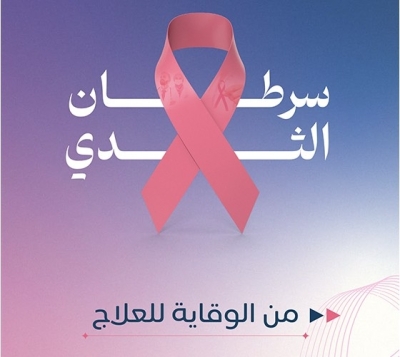

Importance of Breast Self-Examination and Early Detection of Breast Cancer in Oman
A recent study published in the Oman Medical Journal highlighted the crucial need for community awareness regarding the significance of breast self-examination and early detection of breast cancer. This research emphasizes the importance of enhancing the skills of healthcare professionals, enabling them to educate women and design suitable awareness programs tailored to the Omani community.
According to the study titled “Barriers and Motivators for Breast Self-Examination in Oman: A Qualitative Study of Perceptions Among Primary Healthcare Workers,” breast cancer is the second leading cause of death among women worldwide. The World Health Organization reported 2.3 million new cases and 685,000 deaths due to breast cancer in 2020. Additionally, in 2012, the Global Cancer Project indicated that breast cancer is the most common form of cancer among women, accounting for 25.1% of all cancer cases.
Current Statistics and Impact of Breast Cancer in Oman
Breast cancer incidence rates are highest in developed countries, while mortality rates are significantly greater in developing nations. By the end of 2020, approximately 7.8 million women diagnosed with breast cancer had survived for at least five years, marking breast cancer as the most prevalent cancer globally.
In Oman, late-stage breast cancer diagnosis often leads to poorer outcomes, despite the availability of breast-conserving surgery and chemotherapy options. Consequently, the five-year survival rate for breast cancer in Oman stands at 64%, which is lower than in wealthier countries.
Understanding the Barriers and Motivators for Self-Examination
The study’s authors assert that understanding the reasons behind women’s participation or reluctance in performing breast self-examination is vital for promoting self-care. Published in the first issue of January 2026 by the Oman Medical Journal, the research was supervised by Dr. Thumra Al-Ghafri and involved several contributors, including Dr. Lamis Al-Kiyoumi and Dr. Asia Al-Zadjali.
This qualitative study utilized four focus group discussions with 30 healthcare professionals, including nurses, doctors, administrators, and radiographers, from primary healthcare centers in Muscat. The discussions were recorded, transcribed, and thematically analyzed based on elements from the health belief model.
Key Findings from the Study
The results revealed that the age of the women participating ranged from 28 to 45 years, with work experience between 9 and 13 years. Notable barriers to breast self-examination included inadequate knowledge of proper techniques, limited access to accurate information and professional recommendations, societal stigma, fear of cancer, and lack of motivation. Conversely, motivating factors comprised higher levels of education, personal exposure to breast cancer, peer and family support, and positive experiences within healthcare settings.
Participants also indicated that religious beliefs might present both a barrier and a motivator for self-care. While there was uncertainty about the effectiveness of breast self-examination compared to other examination methods, participants acknowledged its role in early disease detection and monitoring progression.
The Need for Comprehensive Awareness Campaigns
The study concluded that breast self-examination remains a vital tool for women to notice potential changes or abnormalities in their breasts, thereby enhancing awareness of breast health and encouraging prompt medical evaluations. The researchers recommended intensified efforts to establish a culture of self-examination, incorporating scientific principles that respect the cultural sensitivities of the Omani community. This includes integrating health education into academic institutions, workplaces, healthcare facilities, and community services.
Furthermore, the importance of establishing clear clinical guidelines that empower healthcare professionals to provide appropriate guidance on self-examination is crucial. The researchers also advocated for launching effective community awareness campaigns that promote breast health and encourage women to seek medical advice upon recognizing unusual changes.
Conclusion
In light of the study’s findings, the next critical steps involve implementing comprehensive educational programs and community outreach initiatives aimed at improving breast health awareness in Oman. Stakeholders are encouraged to engage in efforts that enhance healthcare professional training and develop tailored resources for women. Continued vigilance and proactive health management will play a vital role in reducing breast cancer mortality rates and improving survival outcomes within the Omani population.