








Qatar Prepares to Increase LNG Shipments Amidst Market Changes
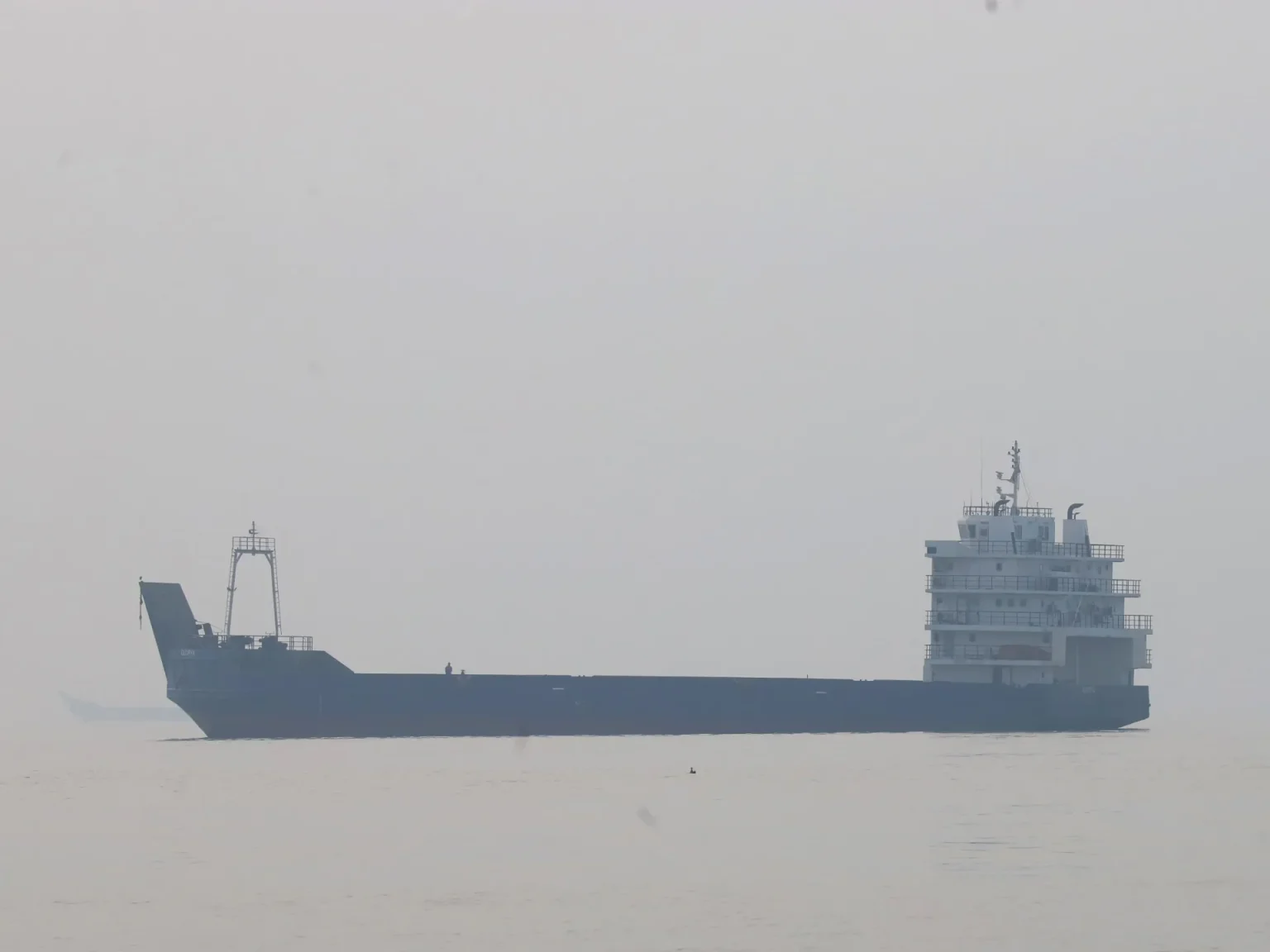
On October 7, 2026, Bloomberg reported that Qatar is mobilizing a fleet of empty liquefied natural gas (LNG) carriers in the Gulf, indicating a possible increase in shipments through the Strait of Hormuz. This strategic move comes as Qatar aims to expand its influence in the global energy market and respond to rising demand for LNG.
According to the analysis done by Bloomberg, at least 12 LNG carriers, either owned or chartered by QatarEnergy, are currently positioned in nearby waters, ready to load natural gas. This could allow for the shipment of approximately 1.1 million tons of LNG, translating to nearly 2% of the world’s total LNG carrier capacity.
Implications for Global LNG Supply
Bloomberg’s report underscores ongoing efforts to boost the supply of LNG, which could lead to a reduction in prices globally. Recently, prices reached record highs in Europe and Asia, marking the highest levels since 2022. The surge in LNG prices was particularly significant in the Asian spot market, where costs soared to around $30 per million British thermal units (MMBtu), up from about $10 before the onset of conflicts in the region.
The report also highlighted that LNG traffic through the Strait of Hormuz peaked last month, marking the highest volume since the Iranian conflict escalated in late February. However, current traffic remains 75% lower than pre-war levels, suggesting an ongoing volatility in the market. This increase in LNG vessel traffic surprised some buyers, including Indian companies that had to reduce immediate purchases to accommodate potential returns of Qatari shipments.
Qatar’s Position in the Energy Market
As one of the world’s largest LNG exporters, Qatar is well-positioned to respond to the shifting dynamics of the energy market. Industry experts are closely watching whether the increase in LNG supply will persist as winter approaches. With Qatar’s capacity to significantly influence global LNG supply, its moves in the coming weeks could stabilize or further impact global prices.
Furthermore, the anticipation surrounding Qatar’s increased output is amplified by the potential for a colder winter, which typically drives up energy demand. As countries across Asia and Europe prepare for higher consumption, the timing of Qatari shipments could be critical in meeting that demand effectively.
Looking Ahead: The Future of LNG Supply
Overall, the developments from Qatar indicate a willingness to adapt to market demands while striving to capitalize on the growing global reliance on LNG. Stakeholders in the energy sector will be keen to watch how these adjustments play out over the next few months.