








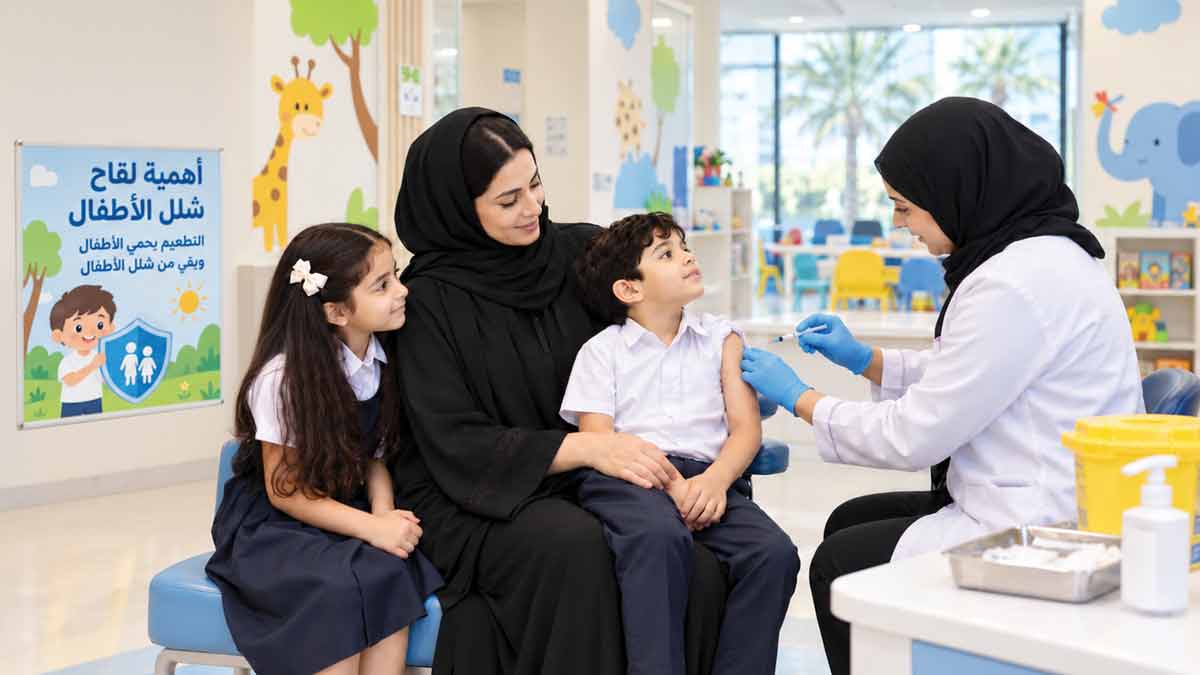

Children Entering Kindergarten Without Required Vaccinations
Recent field observations reveal that many children are entering kindergarten without completing their essential vaccinations. This alarming trend has prompted schools to reach out to parents, urging them to ensure their children receive all necessary shots to protect both their health and the health of those around them.
Upon contacting parents, schools found some reluctant to follow through with vaccinations, citing beliefs influenced by social media. Influential figures online have disseminated misconceptions regarding vaccination, suggesting that multiple doses in early childhood can weaken a child’s immunity or dismissing the necessity of vaccinations for rare diseases. However, health experts stress that the current rarity of certain diseases does not equate to their absence and reflects the success of vaccination programs over decades.
Understanding Parental Hesitance Towards Vaccinations
Dr. Aisha Abdullah Al-Khalidi, a specialist in pediatric infectious diseases, emphasized that many childhood vaccinations are administered during the first year of life—a period when parents are particularly sensitive to any changes in their child’s health. She noted that hesitance towards vaccinations does not always stem from a pre-established viewpoint. It can often arise from personal experiences, such as a child’s fever following a previous shot, or persuasive stories encountered on social media.
Social media platforms have become a significant source of misinformation, influencing parents’ decisions regarding vaccinations. Concerns surrounding vaccine safety are not new, and numerous studies have explored the reasons behind reluctance and strategies to mitigate these worries. Dr. Al-Khalidi reiterated that the likelihood of encountering conflicting and inaccurate information further complicates parents’ decision-making processes.
The Importance of Vaccination for Children’s Health
Common arguments from skeptical parents include statements like, “My child is healthy, so why should I vaccinate?” Dr. Al-Khalidi explained that maintaining good health is precisely what vaccinations aim to achieve by preventing diseases. The primary goal of family medicine and pediatrics is to protect children from illnesses rather than managing symptoms after they arise, which can lead to long-term complications.
While certain illnesses targeted by vaccines have become rare due to successful vaccination rates over the past thirty years, experts warn that a decline in vaccination coverage could result in the resurgence of diseases, such as rubella and whooping cough. Dr. Al-Khalidi reassured parents that children’s immune systems are adept at handling multiple vaccines and respond efficiently to a variety of pathogens they encounter in daily life.
Dispelling Myths About Vaccinations
Addressing fears regarding multiple vaccinations overwhelming a child’s immune system, Dr. Al-Khalidi clarified that vaccines are scientifically designed, with precise formulations and schedules tailored to children’s developmental milestones. The increase in available vaccines over recent years is a testament to scientific progress, allowing preventative measures against more viral and bacterial diseases.
Most post-vaccination reactions are minor and temporary, such as soreness at the injection site or mild fever, indicating the immune system’s response to the vaccine rather than a reason for concern. In contrast, severe complications from vaccine-preventable diseases can be dire, including pneumonia, meningitis, or even death.
Legal Obligations and Public Health Considerations
Legal expert Asawar Al-Mansouri highlighted that the obligation of vaccinating children is not solely a parental decision. Federal Law No. (14) of 2014 on combating infectious diseases mandates vaccination responsibilities and outlines obligations for both parents and health authorities. The law stipulates that newborns must receive vaccinations per the national immunization program established by the Ministry of Health.
Moreover, the law requires parents or guardians to ensure their children receive all necessary vaccinations and empowers school health authorities to oversee compliance. Schools are actively monitoring vaccination records and reaching out to families of students lacking required immunizations.
In March, the Federal National Council discussed a new federal law regarding infectious diseases that reinforces responsibilities regarding vaccinations, including penalties for parents who fail to vaccinate their children. The proposed fines for non-compliance could range from 5,000 to 20,000 AED, reflecting a serious commitment to public health.
Conclusion: The Path Forward for Vaccination Compliance
As experts advocate for higher vaccination rates to protect public health, educational initiatives are vital in combating misinformation. Schools, healthcare providers, and communities should foster open dialogues with parents to address concerns about vaccinations. Upcoming discussions and legislative actions will likely focus on reinforcing the importance of vaccinations, ensuring children receive timely immunizations that safeguard not only individual health but also public welfare.