








Netanyahu’s Criticism of Al Jazeera Highlights Media Tensions
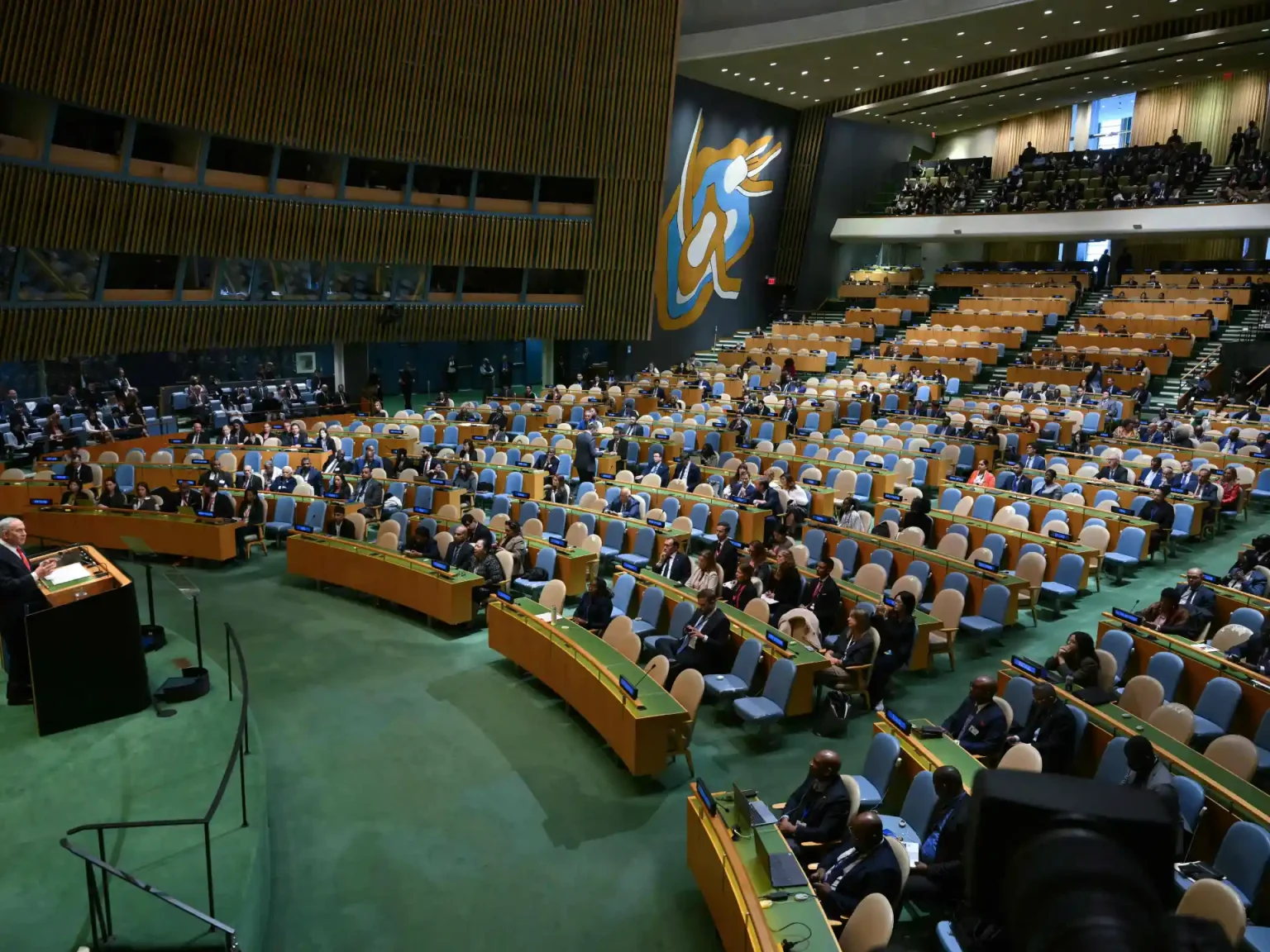
Israeli Prime Minister Benjamin Netanyahu’s recent speech at the United Nations General Assembly marked a significant escalation in tensions between the Israeli government and Al Jazeera. This ongoing dispute is set against the backdrop of heightened criticism of Israel’s military actions in Gaza and Lebanon. Netanyahu’s comments suggest a broader narrative in which he frames Al Jazeera as an enemy in Israel’s complex military and political battles.
The remarks come at a time when the Israeli government is facing scrutiny over its policies towards Palestinians and its military operations in the region. Al Jazeera’s coverage of these issues has often been at odds with the Israeli government’s narrative, prompting actions against the network, including the closure of its offices and the confiscation of its equipment.
Escalating Accusations Against Al Jazeera
This is not the first time Netanyahu has leveled accusations against Al Jazeera. Over the years, his rhetoric has shifted from claims of incitement to assertions that the channel poses a threat to national security. In his latest UN address, he labeled Al Jazeera as part of a larger campaign that includes other international entities and nations critical of Israeli policies.
According to reports, these accusations frequently lack substantial public evidence, indicating a strategy by the Israeli government to delegitimize critical media instead of addressing specific claims made within their reports. Rather than countering Al Jazeera’s coverage with facts, Israel has opted for legal and administrative actions aimed at suppressing its operations in Israel.
Impact of Al Jazeera’s Coverage on Israeli Narratives
In April 2024, Israeli authorities began implementing measures based on a law that allows the government to close foreign media outlets deemed harmful to national security. As a direct result, Al Jazeera’s office in Israel was shut down, with its equipment confiscated under claims of security. This move coincided with ongoing reporting on the war in Gaza, which started in October 2023, highlighting civilian suffering amid military operations.
Al Jazeera’s coverage has frustrated the Israeli government, as it showcases the humanitarian impact of conflicts that contradict the official Israeli narrative. During this period, many journalists working for the channel have faced severe repercussions, with reports indicating the deaths of several correspondents in regions like Gaza and the West Bank during the conflict.
Political Motives Behind Netanyahu’s Attacks on Al Jazeera
Netanyahu’s increased attacks on Al Jazeera are seen as part of a long-standing political strategy aimed at portraying Israel as a besieged state surrounded by enemies. By associating the channel with hostile nations and organizations, Netanyahu seeks to broaden the definition of threats facing Israel to include media outlets and international bodies that criticize its military actions.
This tactic serves not only to unify public sentiment against perceived adversaries but also functions as a method for Netanyahu to solidify his position domestically. Recent insights from former Israeli diplomats suggest that by positioning himself as a steadfast defender of Israel against both external and internal criticism, Netanyahu aims to strengthen his political stance amidst a challenging electoral landscape.
Upcoming Elections and Internal Pressures
As Israeli elections approach on October 27, 2026, Netanyahu’s rhetoric against critical media aligns closely with the strategies of the far-right factions within his government. This escalation allows him to project a tough stance on national security, catering to a base that increasingly demands action against what it views as anti-Israel media.
Analysts note that the push against Al Jazeera resembles previous instances, such as in mid-2017 and May 2024, when Netanyahu advocated for the closure of the network during periods of mounting political pressure. This pattern points to a strategy of targeting media outlets that challenge government narratives, particularly when domestic criticism intensifies.
The Significance of Netanyahu’s UN Address
The choice of the United Nations platform for Netanyahu’s criticisms signifies a strategic decision to amplify his messaging to a global audience. By framing Al Jazeera’s reporting as part of a concerted attack against Israel, he aims to unify international perceptions of the country’s legitimacy back into a defensive posture.
Netanyahu’s comments also serve as a message to his domestic supporters, suggesting that he is actively confronting both external threats and media outlets perceived as hostile. However, critics argue that barring media access and censoring coverage raises significant concerns regarding press freedom and the public’s right to information.
Looking Ahead: The Future of Media Relations in Israel
As the situation unfolds, observers will be attentive to how the Israeli government continues to navigate its relationship with media outlets like Al Jazeera. With increased scrutiny from international bodies and a potential shift in political dynamics following the elections, the coming weeks could reshape the landscape of media coverage in Israel.
Life for journalists in conflict zones remains perilous, and the implications of governmental actions against critical media will likely draw further attention as the world watches closely. The unfolding events could set important precedents for how media freedoms interact with national security issues in Israel and beyond.