


Qatar’s Diplomatic Approach to Regional Stability
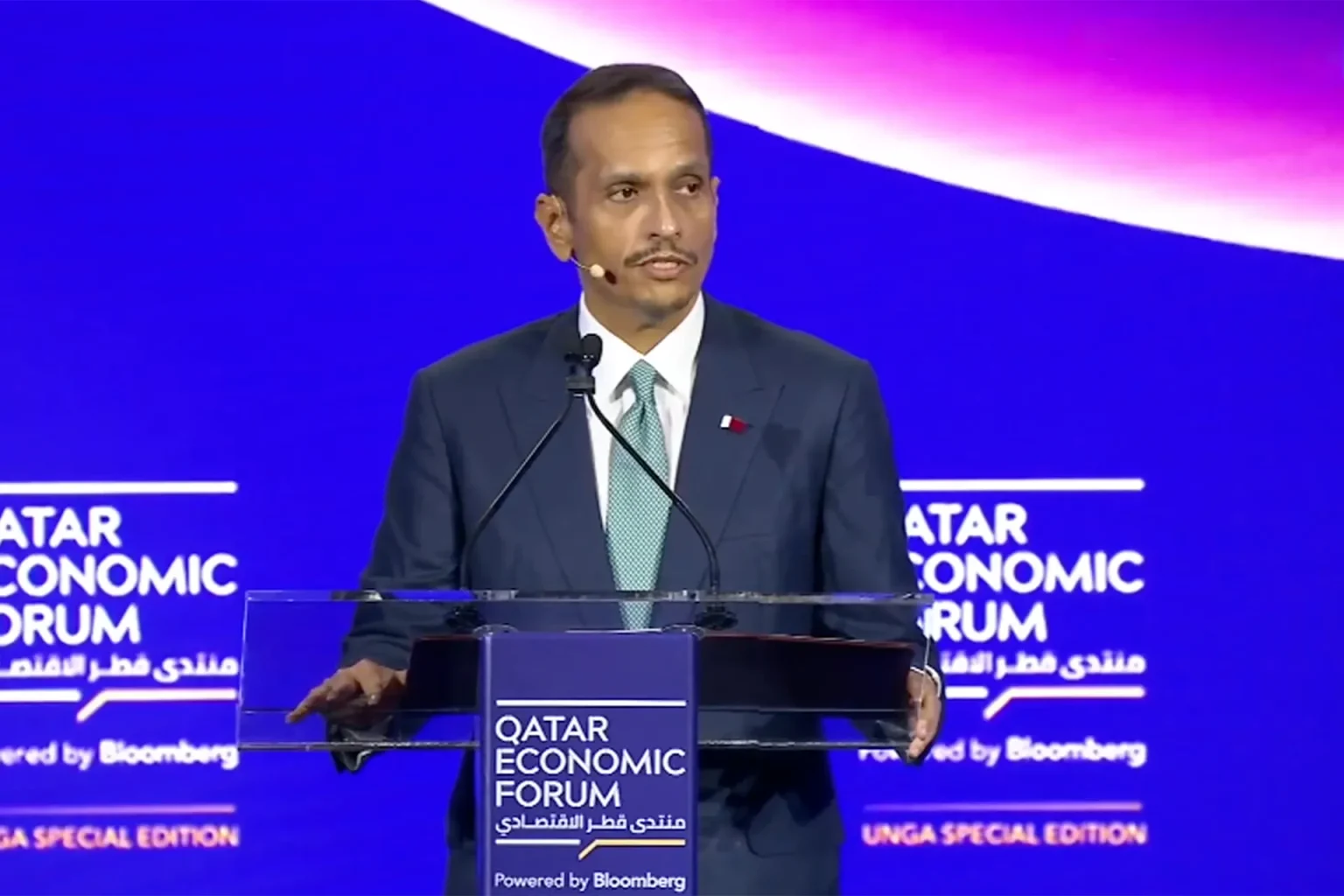
On September 20, 2026, Qatari Prime Minister and Foreign Minister Sheikh Mohammed bin Abdulrahman Al Thani emphasized the urgent need for a framework in the region that respects the sovereignty of nations without posing threats to one another. Speaking about regional security, he stated that lasting peace cannot be achieved through cycles of escalation and retaliation. This statement comes as part of Qatar’s continued commitment to foster diplomatic channels to enhance stability across the Middle East.
Sheikh Mohammed referred to the situation in the region as a “earthquake,” with its aftershocks impacting beyond national borders and challenging existing security assumptions. He noted that discussions during recent crises consistently began with security matters before addressing energy supplies and shipping concerns, underscoring a vital connection between diplomacy and economic stability from Qatar’s perspective.
Energy and Investment: Qatar’s Strengths
The Qatari Prime Minister highlighted that energy remains a pillar of strength for the nation, with diversification efforts enhancing its resilience. Technology was identified as a crucial element for Qatar’s future, indicating a commitment to innovation despite prevailing uncertainties. He noted that Qatar will not allow temporary disruptions to dictate its strategic direction.
In the face of global challenges, Qatar is investing in reforms to bolster its resilience and create new growth opportunities. Sheikh Mohammed reaffirmed Qatar’s position as a reliable energy supplier and a committed investment partner, stressing that local financial systems remained operational, and businesses continued to function effectively during turbulent times. He called for building trust and addressing sources of regional tension to facilitate trade and investment.
Focus on Gaza and Mediation Efforts
In addressing the situation in Gaza, Sheikh Mohammed urged the Israeli government to adhere to its commitments, criticizing its erratic behavior regarding the peace process. He noted that there is a significant gap between Israel’s promises and actions, with violence continuing and humanitarian aid being restricted, highlighting a concerning lack of action from the international community.
Sheikh Mohammed stated that nations function within two categories: those who create peace and those who instigate problems. He emphasized Qatar’s role in facilitating peace talks and maintaining communication channels, acknowledging the effectiveness of this diplomatic approach in fostering dialogue among conflicting parties.
Future Implications for Regional Security
Sheikh Mohammed’s statements reflect Qatar’s proactive stance in addressing regional instability through diplomacy and economic collaboration. As the geopolitical landscape in the Middle East remains complex, the focus on strengthening security frameworks, ensuring energy resilience, and engaging in mediation initiatives could provide pathways toward sustainable peace.
Moving forward, observers are encouraged to watch for further developments in Qatar’s diplomatic activities and how these may influence the broader security dynamics in the region. The ongoing commitment to mediation between Israel and Gaza, coupled with efforts to build trust among neighboring nations, will be critical in shaping a more stable future for the Middle East.