


Qatar’s LNG Production Slowly Recovers Amid Regional Turmoil
As of September 20, 2026, Qatar’s liquefied natural gas (LNG) production has begun a gradual recovery following significant disruptions tied to the crisis in the Strait of Hormuz. According to Qatar’s Minister of State for Energy Affairs, Saad Sherida Al-Kaabi, production levels have yet to return to their regular standards, and full recovery may take several weeks.
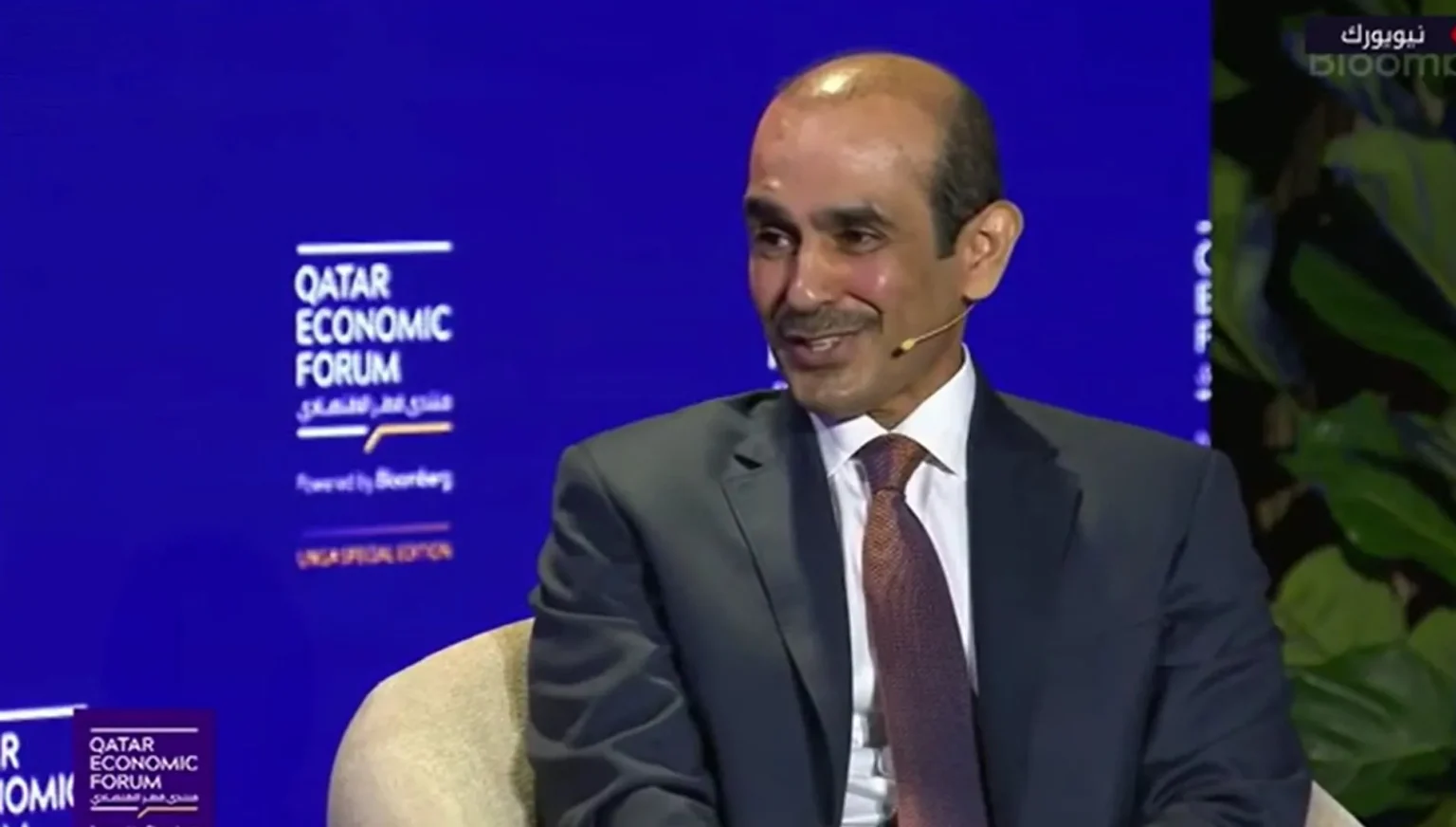
During an appearance at the Qatar Economic Forum in collaboration with Bloomberg in New York, Al-Kaabi confirmed that while Qatar currently produces enough LNG to meet domestic electricity needs and some petrochemical industries, exports remain significantly lower than usual.
Supply Challenges and Efforts to Maintain Commitments
Al-Kaabi highlighted that Qatar has declared force majeure regarding certain contractual obligations due to the prevailing circumstances. He assured that the country is committed to managing its contracts under these exceptional conditions, striving to meet client obligations as soon as feasible. This assertion comes amid challenges influenced by regional tensions affecting supply routes and facility operations.
In related comments, the Governor of Qatar Central Bank and Chairman of Qatar Investment Authority, Bandar bin Mohammed bin Saud Al Thani, stated that repairs to gas facilities could take between two to three years. This setback has contributed to the spiral contraction of the Qatari economy by approximately 7% due to the ongoing conflict, although officials clarified that this contraction is a temporary consequence of the current climate, rather than a structural downturn.
International Investments Continue Despite Domestic Struggles
Amid these challenges, Qatar is actively expanding its global investments in the energy sector. Al-Kaabi cited projects in Namibia, Cyprus, Angola, Brazil, and Argentina, along with partnerships with major international energy companies. Excitingly, Al-Kaabi hinted at a new project set to commence in the coming weeks, with anticipated gas production expected next year.
He emphasized that Qatar aims to reinforce its presence in the LNG market, despite facing regional difficulties. The reopening of the Strait of Hormuz is seen as a crucial factor for facilitating the movement of equipment and supplies essential to energy projects. He warned that ongoing restrictions on shipping could delay some initiatives.
Concerns Over Rising Natural Gas Prices
Amid rising tensions and the current constraints affecting exports, Minister Al-Kaabi warned that prolonged closure of the Strait of Hormuz could exacerbate pressures in the energy markets. He noted that gas prices in Europe have surged to concerning levels, with the possibility that the situation could lead to further increases. Additionally, the high heat during summer has led to a depletion of stockpiles in Europe, raising fears of a more strained situation come winter, when demand typically peaks.
Despite concerns regarding long-term gas contracts, Al-Kaabi reassured that Qatar has a strong track record of fulfilling its obligations over the past three decades. Officials maintain that while circumstances may occasionally be beyond producers’ control, Qatar remains optimistic about returning to its normal production and export levels as global demand for LNG continues to grow.
Future Prospects and Ongoing Development Projects
Despite the current economic challenges, the Qatari government remains committed to its expansion projects. Al-Kaabi reported ongoing drilling work in the Eastern Corridor project, with export operations expected to begin next year. While project timelines may be affected by supply chain issues due to the situation in the Strait of Hormuz, Al-Kaabi stated that developments are proceeding according to plan.
Looking ahead, the Minister projected that global demand for gas is likely to increase by approximately 27% by 2030, despite the escalating competition from U.S. production. Qatar’s government continues to express interest in energy investments across various markets, including Venezuela, although specific timelines for any announcements remain unclear.