








Legal Responsibility for Environmental Damages
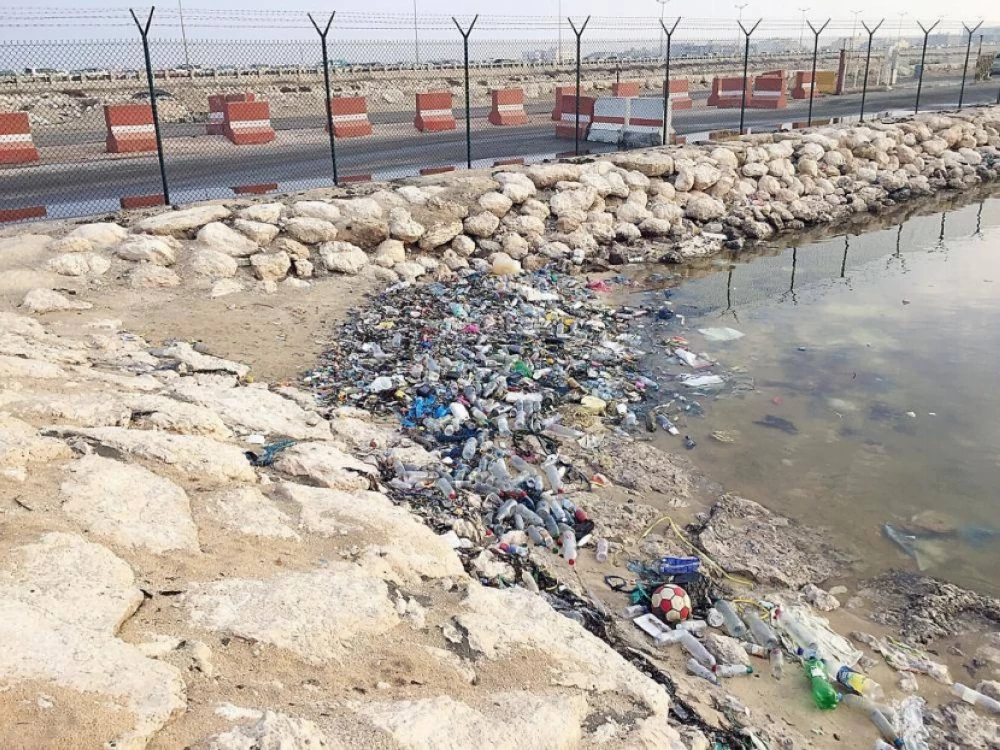
Legal experts have clarified that paying fines for environmental violations does not absolve offenders of their obligation to compensate for damages and rehabilitate affected sites. This clarification comes as draft regulations regarding compensation for environmental damages were introduced via the “Survey” platform, aiming to establish a framework for assessing harm and calculating restoration costs, covering both direct and indirect losses.
The Functions of Fines and Compensation
Attorney Ahmad Jumaan Al-Maliki explained that fines serve as penalties for violations, while compensation aims to repair environmental damage and account for losses incurred. The rehabilitation process is focused on restoring the affected area to its previous state as much as possible. Al-Maliki emphasized that the proposed regulations indicate that liability can coexist, meaning the mere payment of a fine does not mark the end of the offender’s responsibilities regarding environmental harm.
Understanding Environmental Violations
Dr. Rabab Ahmed Al-Maabi, an attorney and commercial arbitrator, pointed out that the draft regulations propose a critical concept in environmental accountability—the idea that violations extend beyond penalty payments and involve obligations to address and mitigate damage. The legal framework in the Kingdom is based on the polluter pays principle, which encompasses costs related to studies, corrective measures, pollution control, and environmental restoration.
Compensation Framework for Environmental Damages
According to Dr. Al-Maabi, compensation is directly linked to the damage sustained, while rehabilitation is tasked with repairing the damage and restoring ecological balance. Tenable damages can affect various aspects of the environment, including water, soil, air, and wildlife, often resulting in delayed repercussions that make valuation dependent on the extent of harm, treatment costs, and lost use of natural resources during recovery.
The Importance of Distinct Liabilities
Separating fines from compensation and rehabilitation serves to enhance fairness. Fines are intended for deterrent and punitive measures, while compensation specifically addresses damage incurred, and rehabilitation is dedicated to restoring the environment itself. This distinction reinforces the responsibility of individuals and establishments for the real outcomes of their activities, thereby fostering increased adherence to environmental regulations.
As regulations evolve, stakeholders should remain vigilant regarding developments in environmental law. The establishment of comprehensive compensation frameworks is expected to guide the practices of both private entities and public organizations in managing environmental responsibilities. Future discussions may focus on how these regulations will be implemented and the timeline for enforcing stricter accountability measures.