




Launch of “Rafqat Hayat” Program for Newlyweds
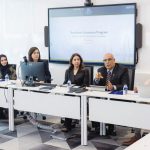
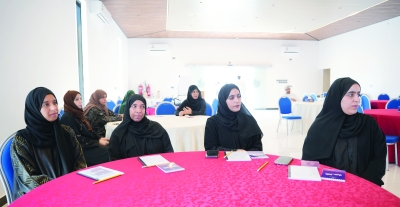
The “Rafqat Hayat” mentoring program has commenced at the Innovation Hall of the University of Technology and Applied Science in Nizwa. This initiative is supervised by the Ministry of Social Development and seeks to empower young individuals preparing for marriage and newlyweds. The program aims to bolster their skills in choosing partners, effective communication, planning, and managing family life to foster more stable families capable of navigating the challenges of married life.
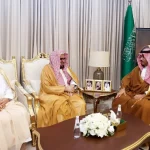
The event was attended by His Excellency Sheikh Mahmoud bin Rashid Al-Saadi, Wali of Nizwa, highlighting the importance of this initiative for the community.
Importance of Support in Marital Preparation
Sheikha bint Saeed Al-Tyouani, Director of the Family Development Department in the Interior Governorate, emphasized that marriage is a journey rooted in affection and compassion. It requires a clear understanding of rights and duties, as well as skills in communication and conflict management. This is especially vital as newlyweds face various challenges at the beginning of their lives together.
Officials highlighted the Ministry of Social Development’s commitment to raising awareness and building a cohesive community through a range of educational programs and activities. These initiatives aim to equip individuals with knowledge about marital life, alongside practical experiences that guide newlyweds on their journey.
Program Structure and Sessions
The “Rafqat Hayat” program engages participants with four training sessions spread over two days. The first session focused on the foundations of building happy and stable families. Zawina bint Khamis Al-Hinai, a family guidance specialist from the Social Development Department in Bahla, led this session. She addressed marriage objectives, partner selection criteria, the influences on this choice, the psychological and social impacts of premarital medical checks, as well as the characteristics of the early years of marriage and its various stages.
The second session, presented by Manal bint Walid Al-Shakili, a psychological specialist from the Family Development Department, concentrated on personality types and understanding one’s spouse. The discussion included self-awareness as a cornerstone for establishing a stable family life, psychological readiness for marriage, different personality types, and the unique psychological needs of both partners.
This was followed by the third session, which examined communication and compatibility in marital relationships. It looked into joint rights and duties of spouses, the significance of marital communication, and the role of social media on family dynamics. Participants learned essential skills for managing psychological stress and resolving family conflicts.
The program concluded with a session in partnership with Bank Muscat, focusing on family planning. Presented by Youssef Al-Mufraji, this session highlighted five key areas: financial awareness for married life, financial partnership between spouses, financial planning, shared financial goals, and common financial mistakes in marriage.
Empowering Future Families
This mentoring program is designed to raise awareness among young people about the principles of a healthy marital life while honing effective communication skills between partners. By emphasizing prevention of marital disputes before they arise, the program promotes family stability and harmony.
As the initiative continues, attendees are expected to implement their learnings, fostering respectful, understanding, and participatory relationships. The Ministry of Social Development is committed to expanding such initiatives that ensure a solid foundation for future families, aiming to contribute positively to societal development.
Looking ahead, the ministry plans to conduct more programs aimed at different segments of the community, focusing on creating a well-informed society ready to face the challenges of modern family life. Awareness and education remain crucial as these efforts evolve, paving the way for more resilient family units.